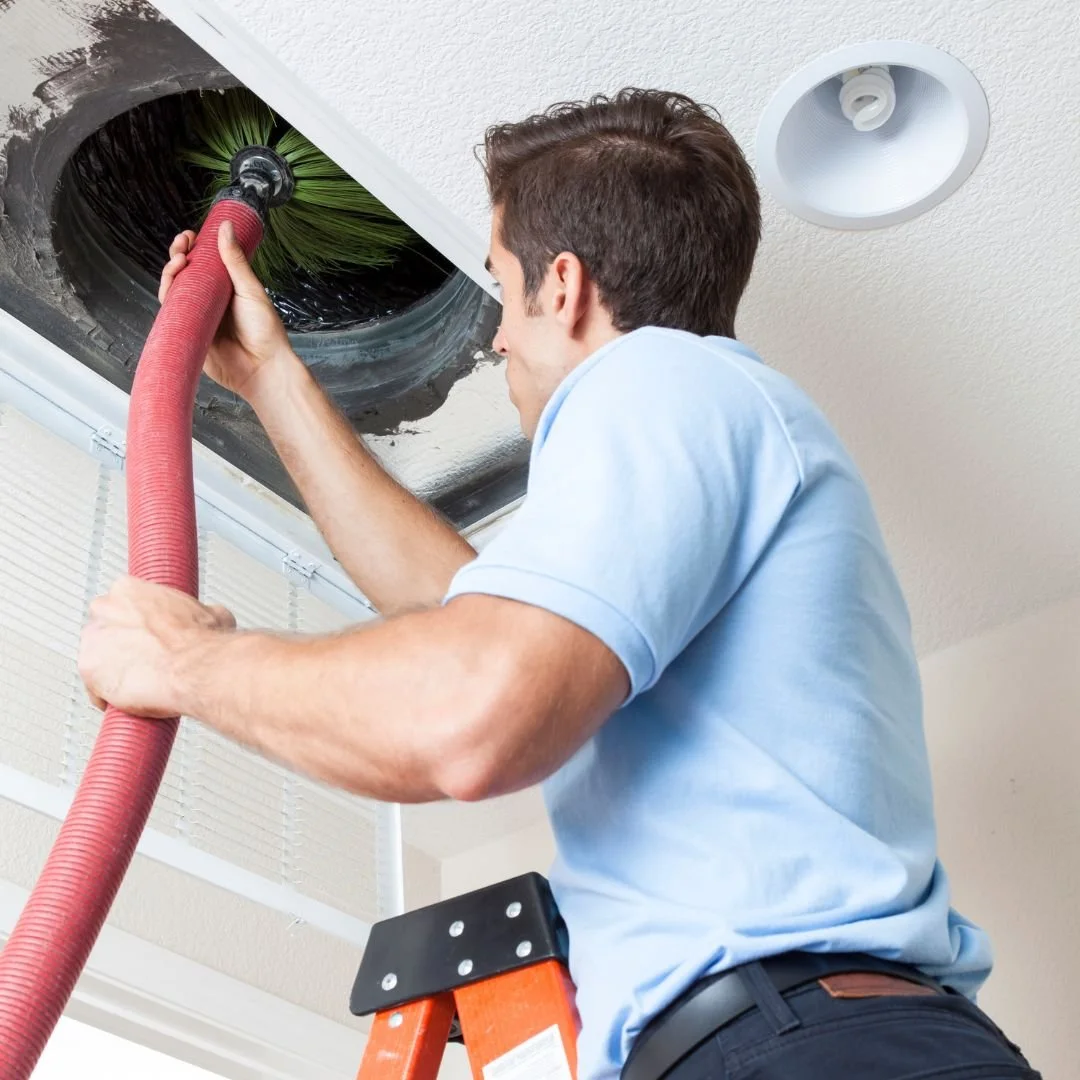


Energy Efficiency Duct Optimization in Seattle
Breathe cleaner air. Live healthier.
What Energy Efficiency Duct Optimization Really Means
Alright, so let’s keep this simple.
Energy Efficiency Duct Optimization is just a fancy way of saying: your duct system is cleaned, sealed, and adjusted so your heating and cooling don’t waste energy. That’s it. No magic words.
But man… I’ve seen homes in Seattle where the system was working twice as hard just to push air through dusty, leaky ducts.
Think of your duct system like a straw. If it has holes and gunk inside, you gotta suck harder to get the same drink. Same idea. Your HVAC works harder, your bills go up, and your house still feels off.
And this isn’t rare. Especially after renovations, or in older Seattle homes near Capitol Hill or Wallingford where ducts haven’t been touched in years.
The EPA even talks about how airflow and system efficiency impact indoor air quality and energy use. Check this out: EPA guide on HVAC efficiency and indoor air systems. It lines up with what we see every day on the job.
5 Star Company
✳︎
Air duct cleaning
✳︎
Beat any price
✳︎
5 Star Company ✳︎ Air duct cleaning ✳︎ Beat any price ✳︎
A Cold Morning Call from Queen Anne
This one stuck with me.
It was winter. Cold, wet Seattle morning. I got a call from a guy in Queen Anne. He said his heat was “on all night” but the house still felt chilly. That’s never a good sign.
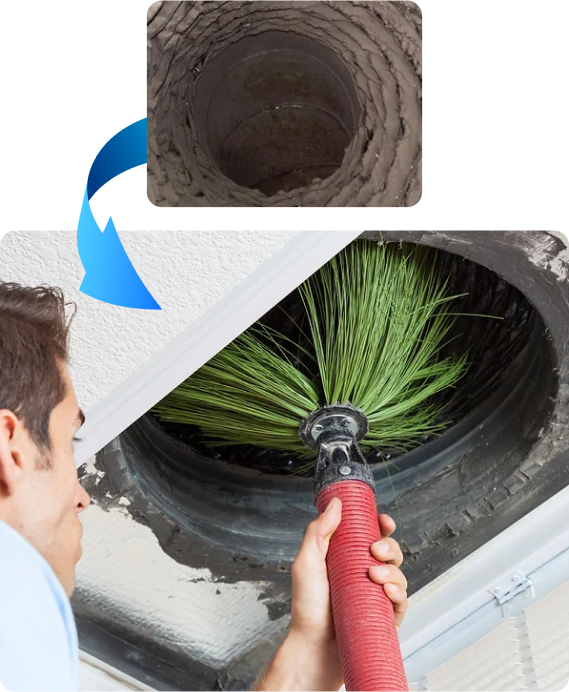
We showed up, checked the system, and yeah… the ducts were packed with dust and had small leaks all over. Air was escaping into the crawlspace instead of going into the rooms.
He was basically heating the underside of his house. Not great.
After we cleaned and optimized the duct system, he texted me a few days later: “Feels like a diff house.” His heater wasn’t running as long, and the rooms warmed up faster.
That’s what this service does. It fixes the hidden stuff you don’t see.
Signs Your Duct System Is Wasting Energy
Most people don’t realize their ducts are the problem. They blame the heater or AC.
But here’s what I tell homeowners:
If your system runs a lot but your house still feels uneven, something’s off.
Common signs we see in Seattle homes:
Rooms that never get warm (or cool)
High energy bills with no clear reason
Dust buildup around vents
Weak airflow from registers
Hot and cold spots in the same house
One home near Fremont had a bedroom that was always freezing. Turns out, the duct feeding that room was half blocked with debris. Air just couldn’t get through.
Also, the U.S. Department of Energy mentions how duct leaks and blockages can waste a big chunk of heating energy (Seattle home duct efficiency tips from energy.gov). So yeah, this stuff adds up.

How We Improve Energy Efficiency in Your Ducts
This is where the real work happens.
We don’t just clean. We fix airflow.
First, we inspect the system. We check for buildup, leaks, disconnected sections, and airflow problems.
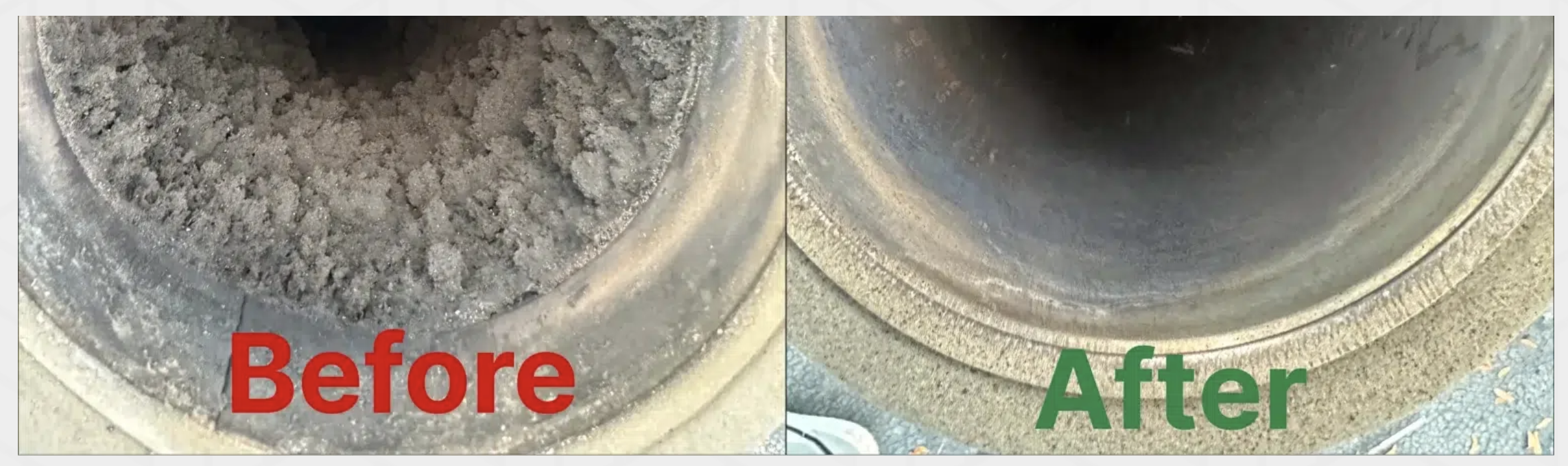
Then we clean out dust, debris, and anything blocking the ducts. Sometimes it’s just dirt. Sometimes it’s… weird stuff. I once found a sock stuck deep in a vent in Ballard. No idea how it got there.
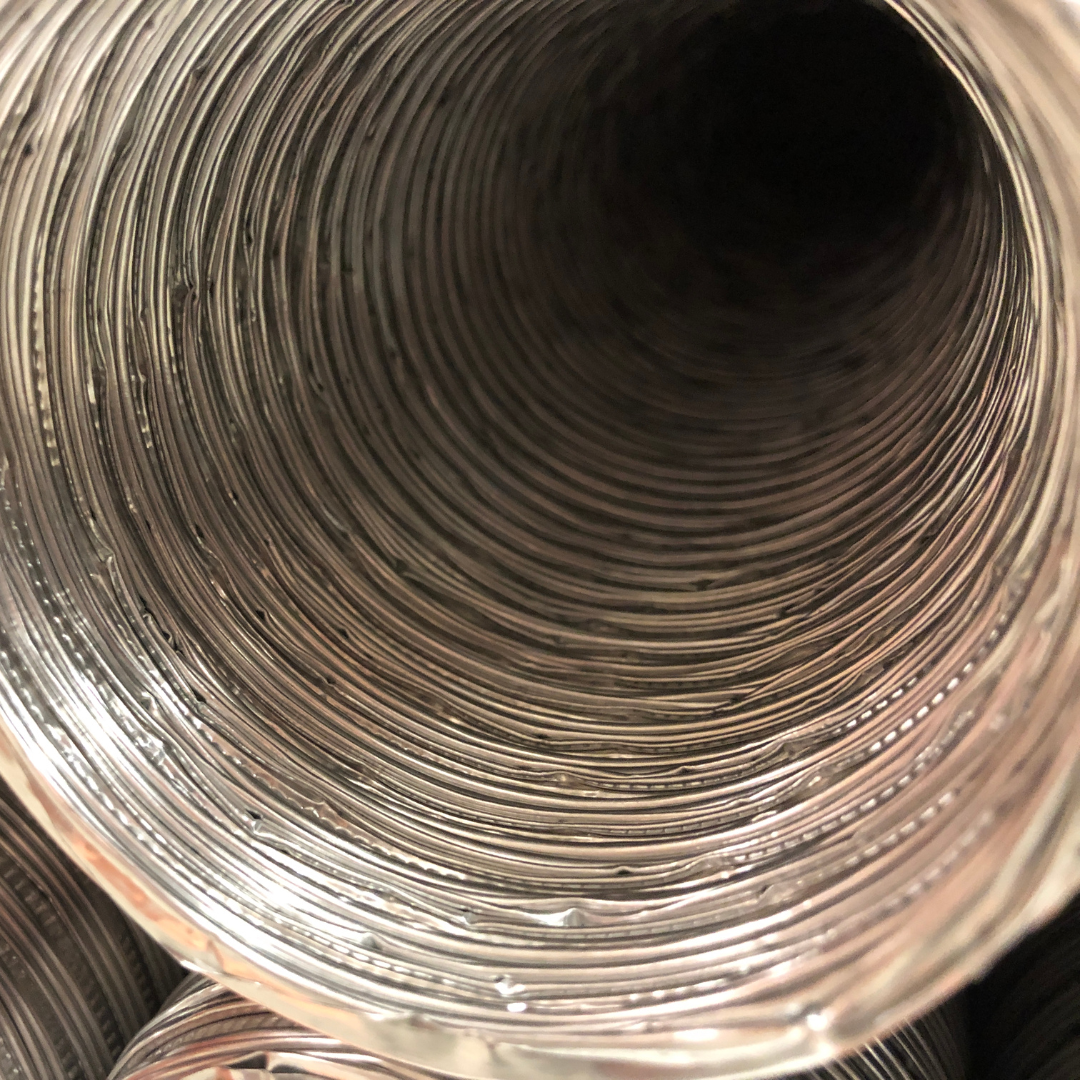
After cleaning, we seal leaks. Even small gaps can waste a lot of air. We tighten connections and patch problem spots.
Then we test airflow. We make sure each room gets the right amount of air. Not too much, not too little.
It’s kinda like tuning a guitar. If one string is off, the whole thing sounds wrong.
Chimney Services and Energy Efficiency Connection
This part surprises people.
Chimney systems can affect how your home handles airflow. If a chimney is blocked or dirty, it can mess with pressure inside the house.
We’ve worked on homes in Magnolia where poor chimney airflow made the HVAC system less effective. Once we cleaned the chimney and fixed the ducts, airflow balanced out better.
So yeah, chimney services aren’t just about fireplaces. They tie into overall air movement and energy use in your home.
It’s all connected in a weird way.
Dryer Vent Services and Energy Waste Problems
Dryer vents are another hidden energy drain.
If your dryer vent is clogged, your dryer runs longer. That means more energy used and more heat trapped where it shouldn’t be.
In one South Lake Union condo, a dryer was taking two cycles just to dry clothes. The vent was packed with lint and dust. After cleaning, it went back to one cycle.
Simple fix, big difference.
And when construction dust gets into those vents? It mixes with lint and builds up fast.
That’s why dryer vent services are part of what we do. It helps the whole system run smoother.
Why Seattle Homes Need This More Than You Think
Seattle weather plays a big role here.
Rain, moisture, and cool temps mean HVAC systems run a lot. And when ducts aren’t efficient, that energy just slips away.
Homes in areas like West Seattle or near the Puget Sound deal with more damp air. That can mix with dust in ducts and slow airflow.
Also, older homes — like the ones near the University District — often have duct systems that were never updated. They weren’t built for modern efficiency standards.
And don’t even get me started on post-construction homes. New builds in South Lake Union? Yeah, they look clean. But inside the ducts, there’s often leftover debris from construction.
Seattle.gov even shares info on energy-saving upgrades for homes (Seattle home energy efficiency resources). Duct optimization fits right into that.
Frequently Asked Questions
-
It means cleaning and fixing ducts so air flows better. Your system uses less energy and your home feels more even.
-
Seattle weather makes HVAC systems run more. Dirty or leaky ducts waste energy and make rooms uneven.
-
If bills are high, airflow is weak, or rooms feel different temps, your ducts might need work.
-
Yes, clean ducts help air move better. Your system doesn’t work as hard, so it uses less power.
-
Every few years or after construction work. Older homes may need it sooner.
-
Yeah, big time. Bad ducts cause hot and cold spots and uneven airflow.
Get a Free Quote Today
Looking for air duct cleaning near me or duct cleaning services you can trust? Call us now or fill out the form below — we'll get back to you within minutes.
📞 (206) 618-2443 📍 Serving Seattle