
Fireplace Draft & Backdraft Prevention in Seattle, WA
Why Fireplace Draft & Backdraft Prevention Matters in Seattle Homes
Fireplaces should pull smoke up and out. Simple idea. Yet many Seattle homes fight draft and backdraft problems every winter. Draft means smoke goes up. Backdraft means smoke comes back inside. That backdraft stinks, burns eyes, and can bring harmful gases into living rooms.
As an Insulation Contractor, I see this problem a lot. When homes get new insulation, airflow changes. Tight houses trap air. Chimneys need air to pull smoke upward. Without enough air, smoke goes the wrong way. Fireplace Draft & Backdraft Prevention fixes this balance.
I remember a home near Green Lake where the family stopped using their fireplace. Smoke kept rolling into the room. During inspection, we found attic insulation sealed the house too tight. We adjusted vent paths and added airflow support. The fireplace worked again. Kids sat near the fire without coughing.
Seattle winters are wet and cold. People use fireplaces more here than many places. Rain and wind also mess with chimney airflow. That’s why Fireplace Draft & Backdraft Prevention is not a small job. It’s part of keeping homes safe and comfy.
Chimney 360 Services
Seattle, WA
(206) 618-2443
https://www.chimney360services.com/
We work in Seattle neighborhoods daily. From Capitol Hill condos to older Ballard homes, draft problems show up everywhere.
How Seattle Weather Messes With Fireplace Airflow
Cold Air Drops Down Chimneys
Cold air is heavy. During winter mornings in Seattle, cold air sinks into chimneys. When homeowners light fires, smoke meets that cold plug. Smoke pushes back inside. This happens a lot in Queen Anne and Magnolia where homes sit on hills and face wind shifts.
Rain Makes Chimneys Damp
Seattle rain keeps chimney walls wet. Wet bricks stay cold longer. Cold chimneys pull air downward instead of upward. I’ve touched flue walls on rainy days and they feel icy. Fireplace Draft & Backdraft Prevention checks moisture issues that cause this.
Wind Swirls Around Rooflines
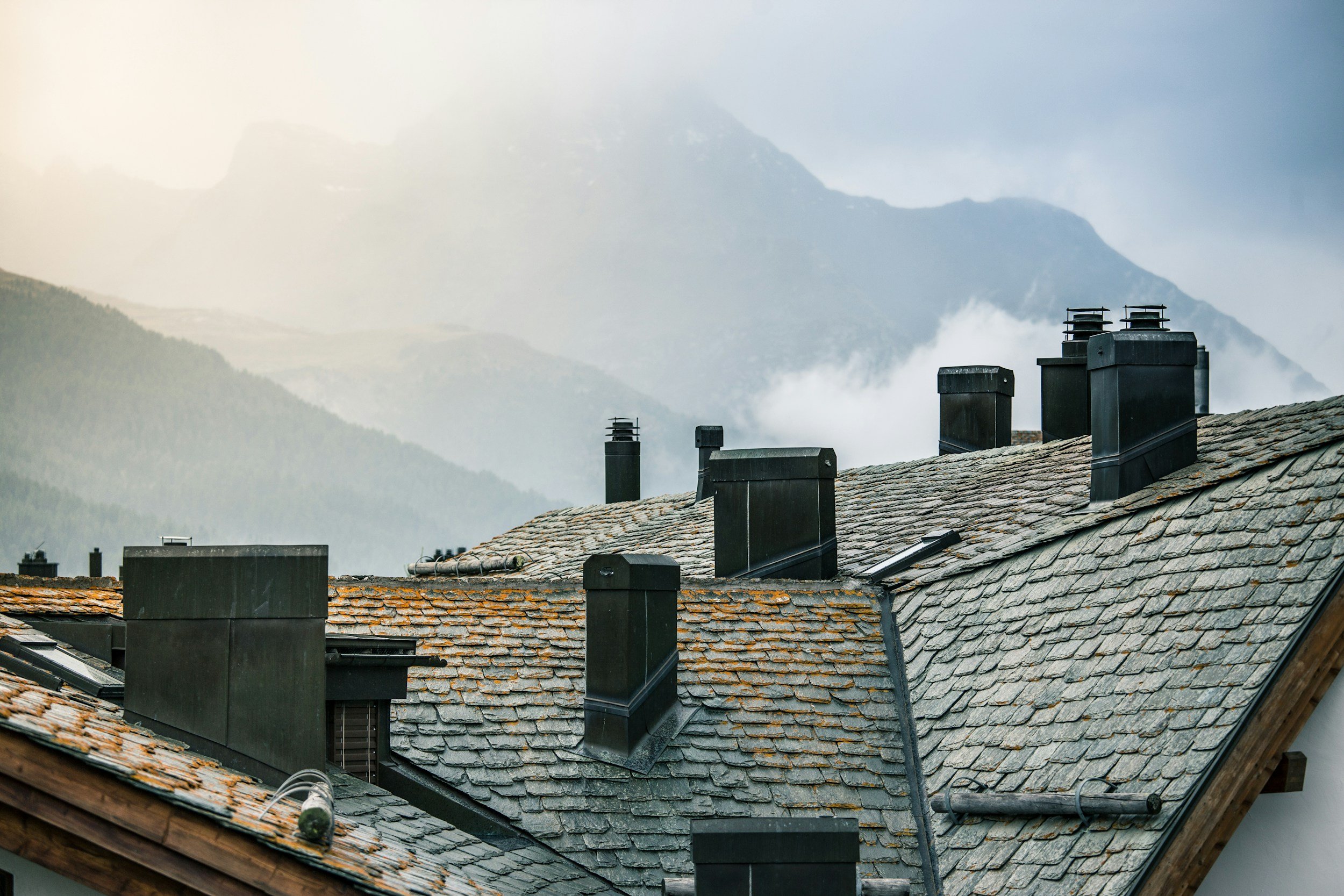
Seattle wind patterns around Puget Sound create pressure zones on roofs. Wind can blow across chimney tops and push smoke back down. Near Alki Beach, wind gusts hit hard. Chimney caps and draft helpers help manage this airflow.
City of Seattle building airflow and ventilation guidance (https://www.seattle.gov/sdci) explains how building pressure affects vent systems in wet climates.
What Causes Fireplace Draft Problems in Insulated Houses
Tight Home Sealing
Insulation upgrades seal leaks. That’s good for heat savings. Yet fireplaces need fresh air supply. In Beacon Hill, a home added spray foam insulation. After that, fireplace smoke backed up. We added makeup air options and fixed draft.
Blocked Chimney Paths
Bird nests, debris, and creosote block smoke flow. In Fremont, I pulled out a whole bird nest during inspection. That nest acted like a cork. Fireplace Draft & Backdraft Prevention includes clearing these blockages.
Wrong Chimney Height
Short chimneys struggle with draft. Roof changes or remodels sometimes lower chimney height compared to roofline. Smoke needs height to pull upward. We check this during inspections.
Damper Problems
Stuck dampers block airflow. Rust and soot cause this. Many homeowners don’t even know dampers exist. During Fireplace Draft & Backdraft Prevention, we test damper movement.
EPA fireplace and indoor air safety guidance (https://www.epa.gov/indoor-air-quality-iaq) supports proper airflow and venting for indoor safety.
What Happens During a Fireplace Draft & Backdraft Prevention Visit
Exterior Chimney Review
We inspect chimney caps, crowns, flashing, and height. Caps protect from wind and rain. In West Seattle near the water, salt air rusts caps faster. We replace damaged parts often.
Interior Fireplace and Flue Check
Inside, we check soot buildup, damper function, and flue liner shape. Cracks inside flue walls let air escape and weaken draft pull.
Smoke Flow Testing
We use small smoke tools to see airflow direction. This shows if draft works right or if backdraft happens. Simple test, big info.
Attic and Insulation Review
As Insulation Contractors, we inspect attic airflow paths. We look at insulation placement around chimney chases. In Rainier Valley, I found insulation blocking vent channels. After clearing space, draft improved.
Simple Fix Plan
After inspection, homeowners get clear advice. Sometimes it’s cleaning. Sometimes cap replacement. Sometimes airflow changes. No fancy words. Just what helps draft work better.
Seattle Fire Department chimney safety info backs up clearance and venting rules for fireplaces.
Real Customer Stories From Seattle Neighborhoods
One rainy evening near Pike Place Market, a restaurant owner called us. Smoke filled their dining room fireplace area. Fireplace Draft & Backdraft Prevention showed the chimney cap was bent from wind. After replacing the cap and cleaning the flue, smoke pulled up clean. Customers stopped complaining.
In Wallingford, a family stopped using their fireplace because smoke alarms kept going off. During inspection, we found attic insulation blocking airflow near the chimney chase. We moved insulation, added baffles, and tested draft again. Fire burned clean after that.
Near Discovery Park, a home with ocean wind exposure had strong backdraft on stormy days. We installed a wind-resistant chimney cap and adjusted damper airflow. The homeowner later said storm nights no longer filled the house with smoke smell.
In University District, a rental house had draft trouble each winter. Tenants opened windows to help smoke escape. That wasted heat. Fireplace Draft & Backdraft Prevention fixed airflow and saved energy costs.
These stories show how airflow issues affect daily life. It’s not just smoke. It’s comfort, safety, and heating costs.
Chimney Sweep Services That Help Stop Backdraft Issues
Our Chimney Sweep category helps draft problems directly. Creosote buildup narrows flue space. Narrow flues struggle to pull smoke upward. Thick soot layers also hold moisture.
During sweeps in Ballard, I found flues nearly closed by creosote. After cleaning, draft strength improved fast. Smoke moved smoother.
Sweeping also removes debris and nests. Birds love chimney tops in Seattle parks areas like Green Lake. Removing nests keeps airflow clear.
Regular chimney sweeping paired with Fireplace Draft & Backdraft Prevention keeps systems breathing right.
Masonry Contractor Repairs That Improve Fireplace Draft
Our Masonry Contractor services handle brick and mortar issues that affect draft. Cracked crowns let water inside. Wet brick stays cold and hurts draft pull.
In Queen Anne, a cracked chimney crown caused water leaks and weak draft. After masonry repair and sealing, chimney warmed faster and pulled smoke better.
Loose bricks also change chimney shape. Gaps let air escape sideways instead of upward. Masonry repairs tighten chimney structure and improve airflow direction.
Masonry work supports both safety and performance.
Why Insulation Contractors Handle Fireplace Draft Better
Insulation Contractors see the whole airflow picture. Chimneys don’t work alone. They depend on attic airflow, wall sealing, and home pressure balance.
Seattle homes vary in style. Flat roof condos downtown. Sloped roof homes in Laurelhurst. Older cedar homes in Fremont. Each layout affects draft behavior.
Chimney 360 Services works Seattle neighborhoods daily. We know wind patterns near Alki, rain exposure near Discovery Park, and insulation setups common in Capitol Hill remodels.
Chimney 360 Services
Seattle, WA
(206) 618-2443
https://www.chimney360services.com/
We serve Ballard, Fremont, Beacon Hill, Rainier Valley, Magnolia, Queen Anne, West Seattle, Green Lake area, Pike Place Market area, Lumen Field area, and more.
University of Washington building airflow and insulation research supports how pressure balance affects vent systems.
Fireplace Draft & Backdraft Prevention keeps smoke going the right way. It protects families, saves energy, and keeps homes comfy during Seattle winters.
FAQs
-
Cold air drops into chimneys and rain keeps flue walls cold. This slows upward airflow and pushes smoke inside.
-
Yes. Tight insulation seals homes and reduces fresh air supply needed for proper fireplace draft.
-
Once a year is good. Before winter is best so problems get fixed early.
-
Yes. Caps block wind and rain and help control airflow direction at the chimney top.
-
Smoke smell, soot on walls, eye irritation, and smoke alarms going off are common signs.
-
Yes. Homes near water or hills get strong wind that pushes smoke back down chimneys.
