
Smoke Chamber Repair in Seattle
Why Smoke Chamber Repair Matters in Seattle Homes
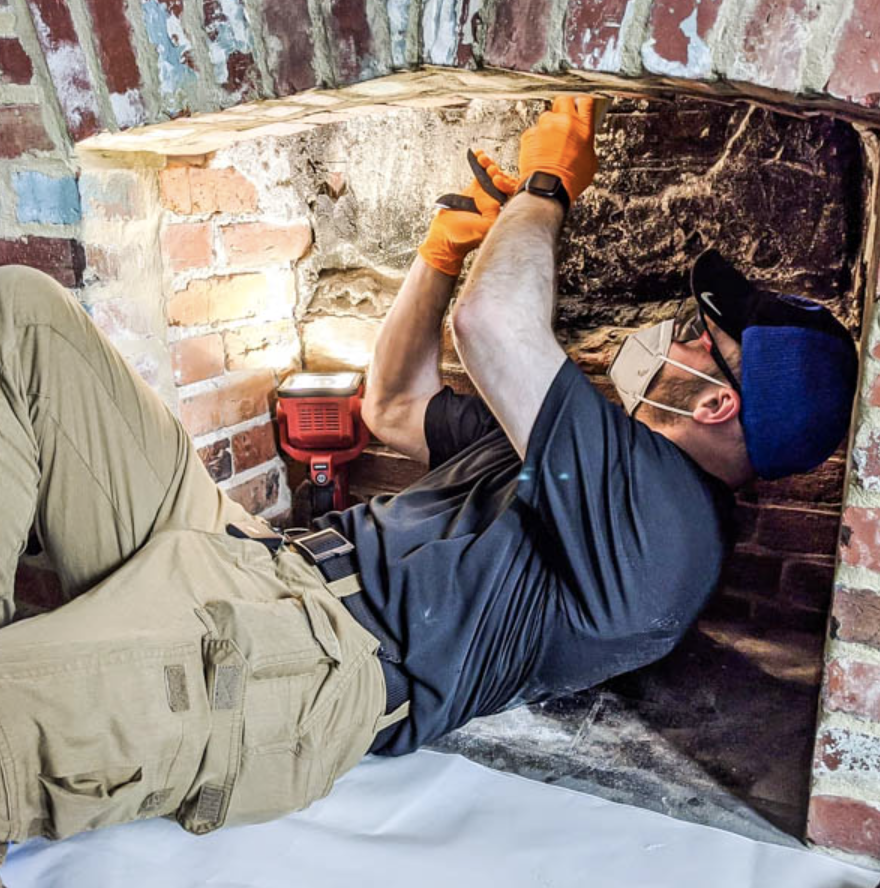
Smoke Chamber Repair doesn’t sound exciting, but it saves homes from smoke problems and fire risk. The smoke chamber sits above the firebox. It guides smoke into the flue. When it’s damaged, smoke acts wild.
Seattle fireplaces get used a lot. Long rainy days mean more fires. That heat wears the smoke chamber down over time. Cracked brick, rough mortar, and gaps slow smoke and push it sideways.
I’ve stood in living rooms in Ballard where smoke rolled back like fog. The fire looked fine. The problem was hidden higher up. Smoke Chamber Repair fixed it fast.
What the Smoke Chamber Really Does Inside a Chimney
The smoke chamber is shaped like a funnel. It narrows smoke from the wide firebox into the smaller flue. That shape matters.
Old smoke chambers were built rough. Jagged brick edges catch soot. Smoke hits those spots and stalls.
In older Seattle homes near Queen Anne, smoke chambers look like brick caves. No smooth surface. Repair reshapes and seals them so smoke moves clean.
Common Smoke Chamber Problems Found in Seattle
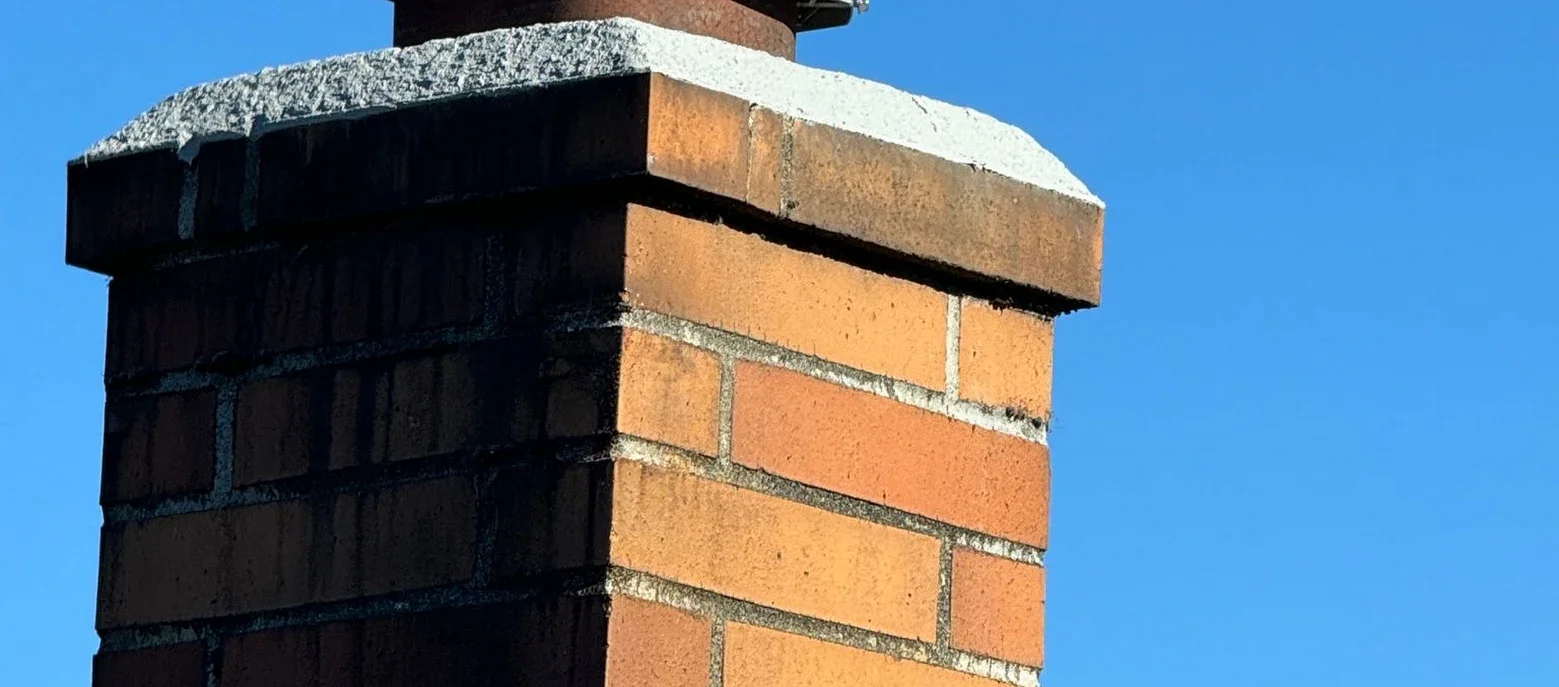
Cracked mortar joints show up often. Gaps leak heat.
In Fremont, I found a smoke chamber with missing brick chunks. Smoke bounced around before rising.
Creosote sticks to rough surfaces. That buildup feeds chimney fires.
Water damage also hits Seattle chimneys. Rain sneaks in and eats mortar slowly.
Real Smoke Chamber Repair Stories From Seattle Homes
Wallingford Craftsman Home
A Wallingford family complained about smoke smell upstairs. The smoke chamber had deep cracks. Heat escaped into framing. Repair sealed it and smoke stopped.
West Seattle View House
In West Seattle, wind caused backdrafts. The smoke chamber was uneven. After smoothing and sealing, fires burned steady.
Ravenna Rental Fireplace
A Ravenna rental kept failing inspections. Smoke chamber damage triggered it. Repair passed inspection and tenants stayed happy.
Seasonal Damage to Smoke Chambers in Seattle Weather
Fall shows the first signs. Fires start again and cracks show.
Winter pushes damage faster. Long burns mean more heat stress.
Spring rain soaks chimneys. Moisture weakens mortar.
Summer repairs work best. Dry weather helps materials cure strong.
How Smoke Chamber Repair Is Done by a Masonry Contractor
Inspection comes first. Light and mirrors show damage.
Cleaning removes soot and loose mortar. Chimney Sweep work helps here.
We parge the smoke chamber. That means smoothing it with special mortar.
The surface becomes sealed and sloped right. Smoke flows easier.
Chimney Sweep Findings That Lead to Smoke Chamber Repair
Chimney Sweep visits often spot smoke chamber damage first.
Cleaning removes soot hiding cracks.
Many Seattle homes discover smoke chamber problems during routine sweeps.
Sweep first. Repair next. Both work together.
Insulation Contractory Problems Near Smoke Chambers
Insulation near chimneys breaks down from heat leaks.
In North Seattle attics, I’ve seen insulation pulled away by heat damage.
Smoke chamber repair helps stop heat transfer.
Insulation Contractory fixes often follow chimney work.
Bad smoke chambers cause lazy smoke. Fires struggle.
Smoke spills forward. Rooms smell like ash.
After Smoke Chamber Repair, fires pull better. Flames stay steady.
The EPA explains how smoke affects indoor air (EPA fireplace smoke indoor air quality).
The Chimney Sweep Role in Firebox Repair
Chimney Sweep work often finds firebox damage first. Cleaning removes soot that hides cracks.
We sweep, inspect, then repair. Many Seattle homes bundle both services.
Dirty fireboxes hide problems. Clean ones show the truth.
Fire Safety Risks Linked to Damaged Smoke Chambers
Cracks leak heat into walls.
Creosote builds faster on rough surfaces.
Seattle Fire Department warns about chimney fire risks (Seattle chimney fire safety info).
Repair lowers fire danger and keeps heat where it belongs.
Insulation Contractory Issues Near Fireboxes
Insulation Contractory problems show up around fireplaces. Old insulation sits too close to fireboxes.
In Northgate attics, we found insulation touching masonry. Heat transfer dried it out and made it brittle.
Firebox repair often leads to insulation fixes. Both matter for safety.
Smoke Flow, Draft Issues, and Poor Fireplace Performance
FAQs
-
Smoke smell indoors, poor draft, and black stains above the firebox are common signs.
-
Yes. Rough or cracked chambers slow smoke and push it back inside.
-
Yes. Older masonry used rough brick that breaks down faster.
-
Yes. Fixing it before heavy fireplace use helps avoid smoke issues.
-
Yes. Cleaning often reveals cracks and rough surfaces.
-
No. Most work happens inside the chimney with protection in place.
