
Chimney Safety Inspection in Seattle and Nearby Neighborhoods
Chimney safety inspection sounds boring until you’ve stood in a living room where soot is falling like black snow. I’ve been a chimney sweep in Seattle a long time, and I’ve learned something simple. Chimneys don’t fail loud. They fail quiet. Slow cracks. Soft blockages. Small leaks that grow.
At Chimney 360 Services, chimney safety inspection is the job we do that stops problems before smoke fills a room or carbon monoxide creeps into a house. A lot of Seattle homeowners call us only after something feels wrong. A smell. A stain. A damper that won’t open.
Seattle has old homes and new condos packed close together. Brick chimneys near Green Lake. Metal flues in South Lake Union townhomes. Each one acts different, but they all need eyes on them.
This page is about Chimney Safety Inspection in Seattle. Real homes. Real stories. Simple words. No sales talk.
What Chimney Safety Inspection Really Means for Seattle Homes
A chimney safety inspection is not just a peek with a flashlight. It’s checking how fire, smoke, and gas move from inside your house to the sky. When that path breaks, bad stuff stays inside.
Seattle homes burn wood, gas, pellets, and sometimes all three. Every fuel type leaves behind debris. Over time, that debris sticks. Cracks form. Water sneaks in.
I once inspected a home near Phinney Ridge where the owner said, “It worked fine last year.” The flue liner had split clean open during winter freeze. Looked fine from the outside. Inside, it was rough and broken.
The EPA talks about fireplace and wood stove safety tied to chimney condition and airflow. Their info lines up with what we see in Seattle homes year after year.
Chimney safety inspection helps find:
Cracked liners
Loose bricks
Blocked flues
Fire damage
Water leaks
Seattle Weather and How It Beats Up Chimneys Over Time
Rain, Rain, and More Rain
Seattle rain works its way into everything. Chimneys soak it up like a sponge. Brick expands. Mortar crumbles. Metal rusts.
In Magnolia, we inspected a chimney that leaned just a bit. Years of water damage loosened the base. The homeowner never noticed until inspection day.
Freeze and Thaw Damage
Seattle doesn’t freeze hard often, but when it does, chimneys feel it. Water inside cracks freezes and pushes outward. Tiny gaps turn big.
Wind and Draft Problems
Homes near Puget Sound and Lake Washington deal with strong wind. That messes with draft. Chimney safety inspection checks how smoke moves on windy days.
Washington State Department of Health talks about indoor air quality and combustion safety in homes. Chimney condition plays a big role there.
True Chimney Safety Inspection Stories From Seattle HomeownersBallard: The Tired Family
Ballard: The Hidden Creosote Problem
A Ballard homeowner burned wood every winter. Smelled fine. Looked fine. During chimney safety inspection, we found thick creosote hiding in a bend. One spark away from a chimney fire.
Queen Anne: The Loose Cap
Up on Queen Anne Hill, wind knocked a chimney cap loose. Birds nested inside. Smoke backed up every time they lit a fire. Inspection caught it before nesting season got worse.
Beacon Hill: The Water Stain Clue
In Beacon Hill, a brown ceiling stain told the story. Water leaked down the flue and soaked the firebox. Chimney safety inspection showed a cracked crown letting rain pour in.
These aren’t rare cases. They’re normal Seattle chimney life.
What Happens During a Chimney Safety Inspection Visit
When we arrive, we don’t rush. Chimney safety inspection needs patience.
We start inside. Fireplace condition. Damper movement. Smoke shelf. We look up, not just in.
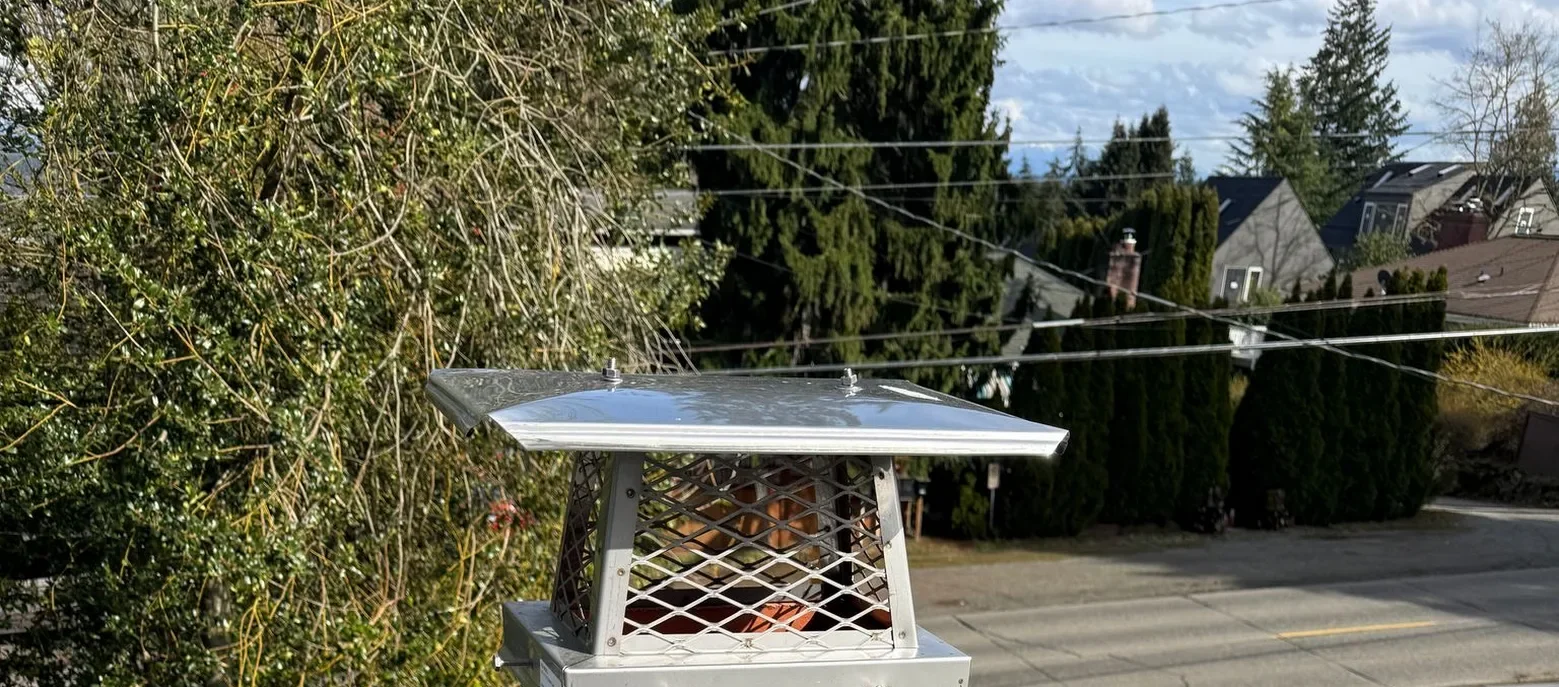
Then outside. Chimney crown. Flashing. Brickwork. Caps.
I remember a Fremont home where everything inside looked fine. Outside, the flashing pulled away from the roof. Water slid straight into the attic. Homeowner had no idea.
We explain findings plain and slow.
Chimney 360 Services
Seattle
(206) 618-2443
Website: https://www.chimney360services.com/
We’ve done chimney safety inspection jobs near Pike Place Market condos, Ravenna bungalows, and older homes by Volunteer Park.
Seasonal Chimney Safety Problems We See Around Seattle
Fall: Nesting and Blockages
Birds love chimneys. So do squirrels. Fall inspections often find nests blocking flues before fireplace season starts.
Winter: Heavy Use Damage
More fires mean more buildup. We see cracks open up mid-season from heat stress.
Spring: Water Damage Shows Up
Spring rain exposes leaks. Chimney safety inspection catches spalling bricks and rusted dampers.
Summer: Repair Time
Summer is quiet season. Best time for fixes found during inspection.
Seattle Fire Department shares home fire safety info tied to fireplace use and chimney condition.
Dryer Vent Issues That Tie Into Chimney Safety
Dryer Vent
Dryer vents push air out fast. When they clog, air pulls from other places. Sometimes that’s the chimney.
In West Seattle, a clogged dryer vent caused smoke to puff back into the living room. During chimney safety inspection, we checked airflow and found the vent packed with lint.
Dryer vent cleaning often helps chimney draft behave better.
Chimney Services That Support Long-Term Chimney Safety
Chimney Services
Chimney safety inspection often leads to small repairs. New caps. Crown sealing. Flue liner fixes.
In Rainier Valley, we repaired missing mortar joints found during inspection. That stopped water damage before winter hit again.
Our Chimney Services focus on keeping the system safe year after year, not patching problems last minute.
Seattle homes near UW campus and older areas like Wallingford often have chimneys older than the owners. Those need steady care.
FAQs
-
Once a year works best, especially before winter when fireplaces get used more.
-
Yes. Seattle rain gets inside cracks and breaks things down over time.
-
Yes. Gas still vents exhaust, and blockages cause problems.
-
Older areas like Ballard, Queen Anne, and Beacon Hill see more chimney wear.
-
Yes. Air pressure changes can pull smoke back inside.
