
Chimney Heat Retention Evaluation in Seattle, WA
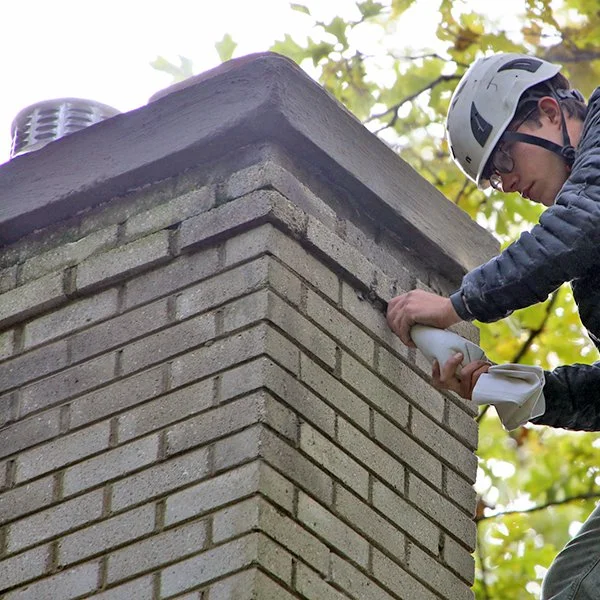
What Chimney Heat Retention Evaluation Means for Seattle Homes
Chimney heat retention evaluation sounds big, but it’s simple. It means checking how much heat your chimney keeps and how much it throws away. When a fireplace runs, heat should warm the room, not rush up the chimney like kids running to recess. If too much heat escapes, your house feels cold even when the fire is burning.
I’ve worked as an insulation contractor in Seattle for many years. I’ve walked into living rooms in Ballard and Capitol Hill where the fire was blazing but the couch area still felt chilly. That’s a heat retention problem. Chimneys without proper insulation or sealing act like giant straws pulling warm air out of homes.
Seattle weather makes this worse. Cold rain, wet air, and wind push heat up chimneys faster. That’s why chimney heat retention evaluation helps homeowners learn what’s going on inside their walls and flues. When you know where heat is lost, you can fix it.
How Chimneys Lose Heat and Why Insulation Matters
Heat Escapes Through Bare Brick
Brick looks solid, but it’s full of tiny holes. When hot air touches cold brick, heat moves through fast. If there is no insulation layer behind that brick, heat goes straight into the attic or outdoors. I’ve touched chimney walls in Greenwood homes that felt warm on the outside during winter. That warmth should stay inside.
Drafts Pull Warm Air Out
When chimneys draft too hard, they pull warm indoor air upward. This happens when dampers don’t seal or flues stay open too wide. That warm air leaves the house, and cold air sneaks in through windows and doors.
Metal Parts Get Cold Fast
Old metal dampers and thin liners cool down fast. Cold metal steals heat from smoke and air. That slows draft and drops room warmth.
According to EPA fireplace heat and air movement guidance, fireplaces can pull large amounts of warm indoor air when systems are not sealed right. We see that same issue across Seattle homes.
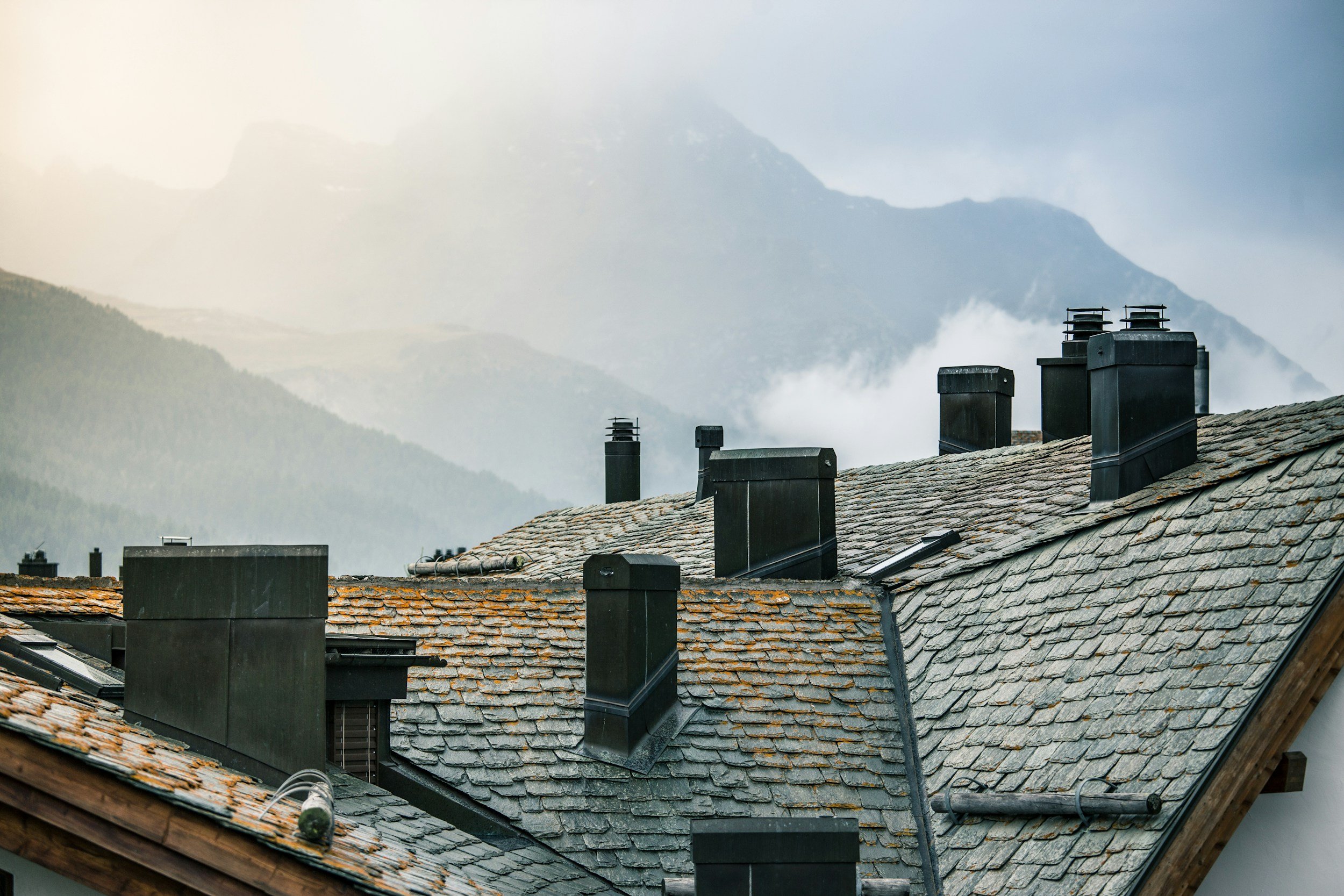
Seattle Weather and Its Effect on Chimney Heat Loss
Rain and Moisture Trouble
Seattle rain enters chimneys through broken caps and crowns. Wet brick stays colder longer. Cold brick pulls heat away faster. Homes near West Seattle and Alki Beach deal with this a lot because ocean air keeps masonry damp.
Cold Night Pressure
Cold air outside pushes down chimneys at night. That pressure messes with airflow and pulls warm air upward from the room. Homes near Northgate and Shoreline feel this effect more because of open wind paths.
Fog and Damp Air
Foggy mornings in neighborhoods like Beacon Hill bring moisture that sits inside flues. That moisture cools chimney surfaces and lowers heat retention.
Seattle Department of Construction & Inspections moisture control tips talk about water damage to building parts. Chimneys are one of the first areas hit.
Signs Your Chimney Is Losing Too Much Heat
Cold Living Room Even With Fire On
If your fire is on but your living room still feels cold, heat is escaping somewhere. This is common in older Queen Anne and Fremont homes.
Strong Draft From Fireplace Opening
Feeling cold air blowing out of the fireplace when it’s off means heat loss paths exist. That air flow shows chimney leaks.
High Heating Bills
When heaters run more on fireplace nights, chimney heat retention may be poor. I’ve seen North Seattle homeowners shocked by winter bills because warm air was getting sucked out.
Warm Chimney Walls Outside
If you touch outside chimney brick and it feels warm, that’s lost heat leaving your house.
Real Customer Stories From Seattle Neighborhoods
Ballard Craftsman Home Story
A family in Ballard called us because their living room stayed cold even with daily fires. We ran a chimney heat retention evaluation and found missing insulation around the chimney chase. Heat was warming the attic instead of the couch area. After insulation upgrades and damper sealing, the room warmed faster. The homeowner told me they stopped wearing two sweaters indoors.
Capitol Hill Townhouse Story
This townhouse owner complained about cold drafts near the fireplace. During evaluation, we found gaps around the flue and broken damper seals. After repairs, draft dropped and comfort improved. The owner said movie nights by the fireplace felt cozy again.
Green Lake Family Home Story
A family near Green Lake used their fireplace during rainy evenings. They noticed moisture smell and weak heat. We found wet brick and liner issues. After waterproofing and insulation fixes, heat retention improved and smell faded. Their kids started sitting on the rug near the fire again.

Real Customer Stories From Seattle Neighborhoods
Ballard Craftsman Home Story
A family in Ballard called us after noticing black dust around the fireplace. We inspected and found cracked clay liners. Heat was leaking into the wall cavity. After relining, airflow improved and the fireplace wall felt warmer. The homeowner said their living room stayed cozy longer at night.
Capitol Hill Rental Property Story
A landlord near Broadway complained tenants smelled smoke upstairs. We found liner gaps letting smoke leak sideways. After installing a new liner, the smell stopped. The landlord said tenant calls dropped a lot.
West Seattle View Home Story
This homeowner had ocean air hitting their chimney daily. The metal liner was rusting. After replacing with stainless steel liner made for coastal air, heat retention improved and rust smell went away.
Seasonal Chimney Heat Problems in the Pacific Northwest
Fall Heat Loss at First Use
When fireplaces start up in fall, heat problems show fast. Damp chimneys lose heat quicker. Homes in Wallingford and University District often call us after first cold week hits.
Winter Heavy Use Stress
During winter, chimneys face daily heat cycles. Brick expands and shrinks. Gaps open. Heat escapes faster through those gaps. Evaluations during winter help spot new leaks.
Spring Moisture Damage
Spring rain adds water to chimneys not in use. That water cools masonry and lowers heat retention for next season.
University of Washington building heat flow research shows how warm air escapes through unsealed building paths. Chimneys rank high on that list.
Our Chimney Heat Retention Evaluation Process
Step 1: Visual Inspection
We inspect firebox, flue, damper, and chimney walls. We look for cracks, gaps, and insulation problems.
Step 2: Airflow and Draft Test
We test airflow using smoke tools to see how fast air moves up the chimney. Fast uncontrolled draft shows heat loss issues.
Step 3: Thermal Check
We check surface temperatures around chimney walls and attic areas. Warm outside surfaces show heat escaping.
Step 4: Repair and Upgrade Plan
We explain what fixes help most. This may include damper sealing, liner insulation, chimney cap upgrades, or masonry repair.
Chimney Sweep Services That Support Heat Retention
Chimney sweeping helps heat retention more than people think. Thick soot layers soak moisture and cool chimney surfaces. That moisture pulls heat away faster.
In Seattle’s damp climate, creosote sticks to walls. Homes near University District rentals often need heavy cleaning because of frequent fireplace use. After sweeping, airflow smooths out and heat rises better.
Sweeping also lets inspectors see cracks and gaps clearly. Hidden heat leaks show up once soot is gone.
Masonry Contractor Repairs That Help Hold Heat
Some heat retention problems come from damaged brick and mortar. Cracks and missing joints let cold air enter and heat leave. Masonry contractor repairs seal those gaps.
Older homes near Pioneer Square and First Hill often need repointing work. After masonry repair, insulation layers hold heat better and chimneys stay warmer inside.
Energy Use, Heating Bills, and Indoor Comfort
Chimney heat retention evaluation helps energy use. When heat stays inside the living space, heaters run less. Even small improvements help during long Seattle winters.
One Northgate homeowner told me their gas bill dropped after damper sealing and insulation upgrades. They said the house stayed warm longer after fires burned out.
Comfort also improves. Cold drafts near fireplaces drop. Rooms feel balanced instead of hot near fire and cold near sofa.
Why Seattle Homeowners Call Chimney 360 Services
Seattle homeowners call Chimney 360 Services because we work on local chimneys every day. We know how rain, wind, and salt air affect homes here.
Here is our local NAP info:
Chimney 360 Services
Seattle, WA
Phone: (206) 618-2443
Website: https://www.chimney360services.com/
We’ve worked near Pike Place Market condos, homes by Discovery Park, and houses around Green Lake. Every area has different chimney heat problems, but evaluations help spot them fast.
Customers like our simple talk. We explain problems with photos and plain words. No fancy sales talk. Just honest work and real fixes.
AREAS WE SERVE (MAP)
FAQs
-
Yes. It finds where heat escapes so fixes can keep warmth inside living spaces longer.
-
Once a year works well, usually before winter fireplace season starts.
-
Yes. Wet brick and liners lose heat faster and cool down the chimney.
-
Yes. It removes wet soot that steals heat and blocks airflow.
-
Yes. Older chimneys often lose more heat due to worn parts and missing insulation.
-
Many homeowners see small drops in heating costs after fixing heat leaks.
