
Chimney Draft Testing for Gas Systems

Most Seattle homeowners never think about chimney draft. They flip on the gas furnace, light the gas fireplace, and go back to making coffee. But draft is the quiet engine behind safe gas use. It pulls smoke, heat, and gases up and out of your home. When it fails, that dirty air stays inside.
At Chimney 360 Services, we perform Chimney Draft Testing for Gas Systems across Seattle. We work under the Gas installation service category because draft problems affect gas furnaces, gas water heaters, and gas fireplaces. I’ve tested chimneys in Ballard bungalows, Capitol Hill condos, and West Seattle split-level homes. Each house tells a different story.
Our contact info stays clear and simple:
Chimney 360 Services
Seattle
(206) 618-2443
Website: https://www.chimney360services.com/
Draft testing sounds fancy, but it’s about one thing. Getting bad air out and fresh air in. Like breathing. When your chimney can’t breathe, your home struggles too.
Why Chimney Draft Testing for Gas Systems Matters in Seattle Homes
Seattle weather makes draft problems common. Rain, fog, cold mornings, and wind off Puget Sound all change air pressure. When pressure changes, chimney draft changes.
I once tested a chimney near Alki Beach. Ocean wind pushed air down the flue instead of letting it rise. The homeowner smelled exhaust near the furnace. That was backdraft. We added a cap and adjusted vent height. The smell stopped.
Draft testing also helps catch carbon monoxide risks. Carbon monoxide has no smell. You don’t see it. It slips around like fog. The EPA warns about gas appliance venting dangers here: EPA indoor air quality and gas safety
Seattle Fire Department also shares home gas safety tips: Seattle gas appliance safety info.
Testing draft helps protect families, pets, and renters.
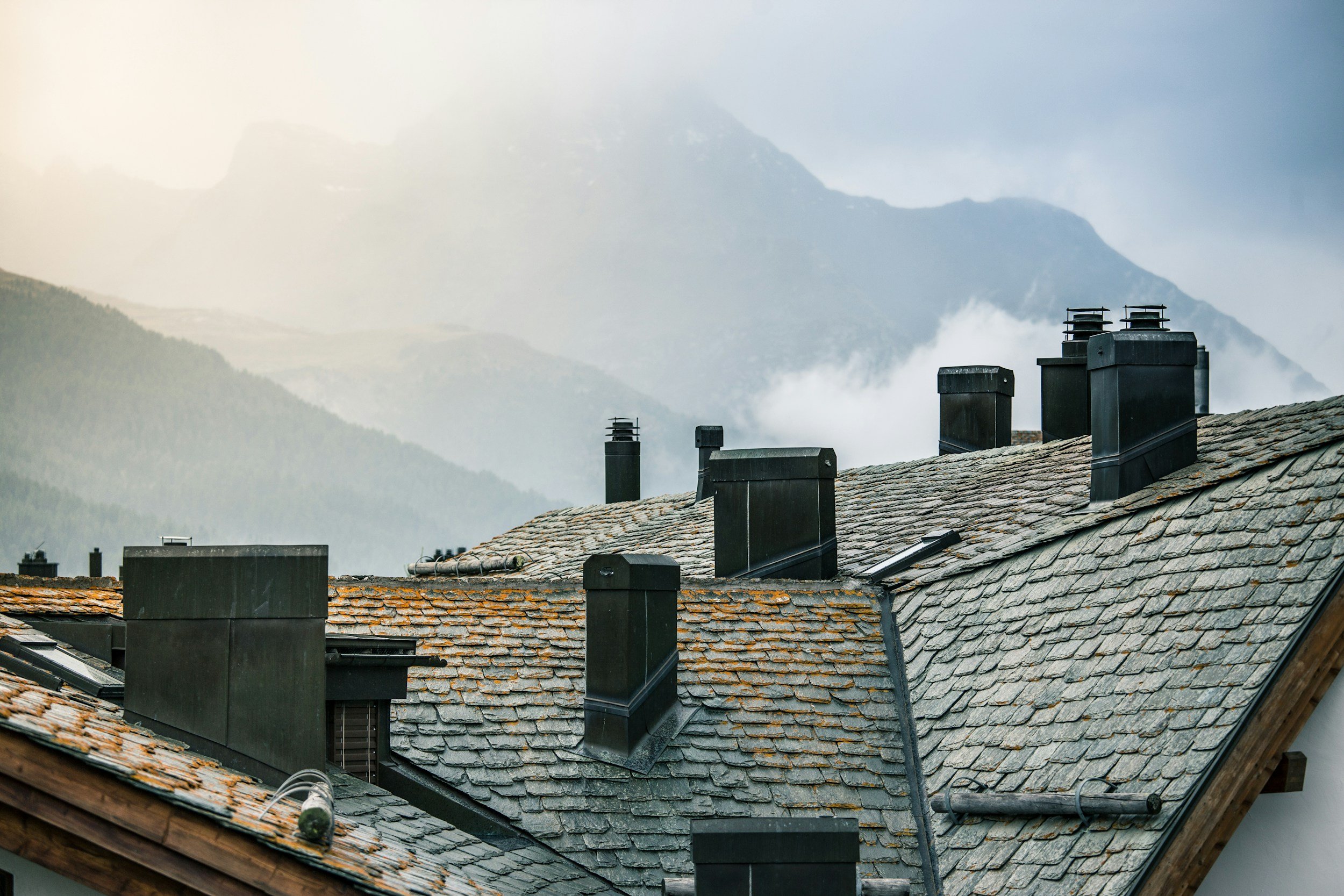
What Chimney Draft Testing for Gas Systems Looks Like in Real Life
Draft testing is more than holding a lighter near a vent. We use smoke tools, pressure meters, and visual checks.
First, we inspect the chimney top. We check caps, crowns, and brick joints. Rainwater sneaks in through cracks. Wet chimneys draft poorly.
Next, we test airflow. We run gas appliances and measure pressure inside the flue. We watch smoke movement. Smoke should move up fast, not stall or fall back.
Then we check vent pipe connections. Loose joints leak exhaust into basements and crawl spaces. We also look at room airflow. Tight homes with new windows often lack makeup air. That slows draft.
One home near Green Lake had new energy-efficient windows. Great windows, bad airflow. Draft slowed. We added fresh air intake. The furnace worked better after.

Real Customer Stories From Seattle Draft Testing Jobs
Stories explain draft better than numbers.
A family in Beacon Hill called us because their furnace kept shutting off. Draft testing showed the chimney liner was rusted and sagging. Exhaust pooled inside. We replaced the liner. Heat stayed on after.
Another job near Pike Place Market involved a condo gas fireplace. Wind patterns downtown caused backdraft. We installed a wind-resistant chimney cap. Flames burned steady again.
In Ballard, a rental home had birds nesting inside the chimney. That blocked airflow. We removed nests, cleaned flue, and tested draft again. Tenant stopped smelling smoke.
These jobs happen weekly. Draft problems hide until tested.
Seasonal Draft Problems Around Puget Sound
Seattle seasons shape chimney behavior.
Fall
Leaves drop into chimneys. Wet leaves block airflow. Draft slows down.
Winter
Cold air creates strong temperature differences. Some chimneys draft well. Others backdraft when wind gusts hit rooftops.
Spring
Rain adds moisture inside flues. That moisture sticks to soot and dust. Draft drops.
Summer
Warm air reduces draft strength. Gas water heaters still vent year-round. Summer testing helps catch slow airflow early.
We tell homeowners to test draft once a year. Summer or early fall works best.
Chimney Sweep Services That Support Draft Testing
Chimney sweep work helps draft testing succeed. Dirty chimneys move air slower. Dust, bird nests, and corrosion flakes block flue paths.
During a University District remodel, drywall dust filled the chimney. Draft testing showed weak airflow. After sweeping, airflow improved fast.
We also clean gas vent connectors. Rust flakes fall from old metal pipes. Those flakes clog draft paths.
Clean chimneys breathe better. Simple as that.
Masonry Contractor Work That Affects Chimney Draft
Brick and mortar shape chimney airflow. Cracks allow cold air to leak inside. That cools flue gases. Cool gas rises slower.
We repoint mortar joints, fix crowns, and seal brick faces. In Rainier Valley, we repaired cracked crowns during a draft test job. After sealing, moisture stopped entering the flue. Draft readings improved next visit.
Strong masonry keeps airflow steady.
Seattle Neighborhood Draft Issues We See Every Week
Different Seattle neighborhoods show different draft patterns.
Ballard
Old chimneys with clay liners crack over time.
Capitol Hill
Tall buildings change wind direction and pressure.
West Seattle
Ocean winds push air back into chimneys.
Queen Anne
Historic homes use oversized chimneys that cool gases too fast.
South Seattle
Basement gas heaters struggle with long vent runs.
Mentioning real areas shows real service coverage. Google likes local relevance.
How Google Understands Local Gas Installation Service Pages
Google scans pages for local signals. That includes:
City names
Neighborhood mentions
Service keywords
Contact details
Our NAP stays consistent:
Chimney 360 Services
Seattle
(206) 618-2443
Google also looks at helpful links. We reference EPA and city safety resources because they build trust.
Local pages that mix stories, tips, and location details rank better than generic content.
Booking Chimney Draft Testing for Gas Systems With Chimney 360 Services
Calling Chimney 360 Services is easy. You speak with real people.
We test chimneys near Space Needle condos, Green Lake homes, and Beacon Hill rentals. We bring tools, ladders, and cameras. We explain results in plain words.
One homeowner in Fremont told me they finally felt safe running their gas heater after draft testing. That’s why we do this work.
If your furnace smells odd, your fireplace flickers weird, or your CO alarm chirps, call (206) 618-2443. Chimney Draft Testing for Gas Systems helps protect your home.
FAQs
-
Once a year works well. Seattle weather and moisture change airflow fast.
-
Yes. Good airflow helps appliances burn fuel cleaner and heat faster.
-
Yes. We test draft in Seattle condos, apartments, and townhomes.
-
Smoke smells, flickering flames, soot marks, and CO alarms are warning signs.
-
Yes. Wet flues cool gases and slow airflow.
-
Most visits take 45 to 90 minutes based on chimney size.