
Chimney Inspection for Gas Conversions in Seattle, WA
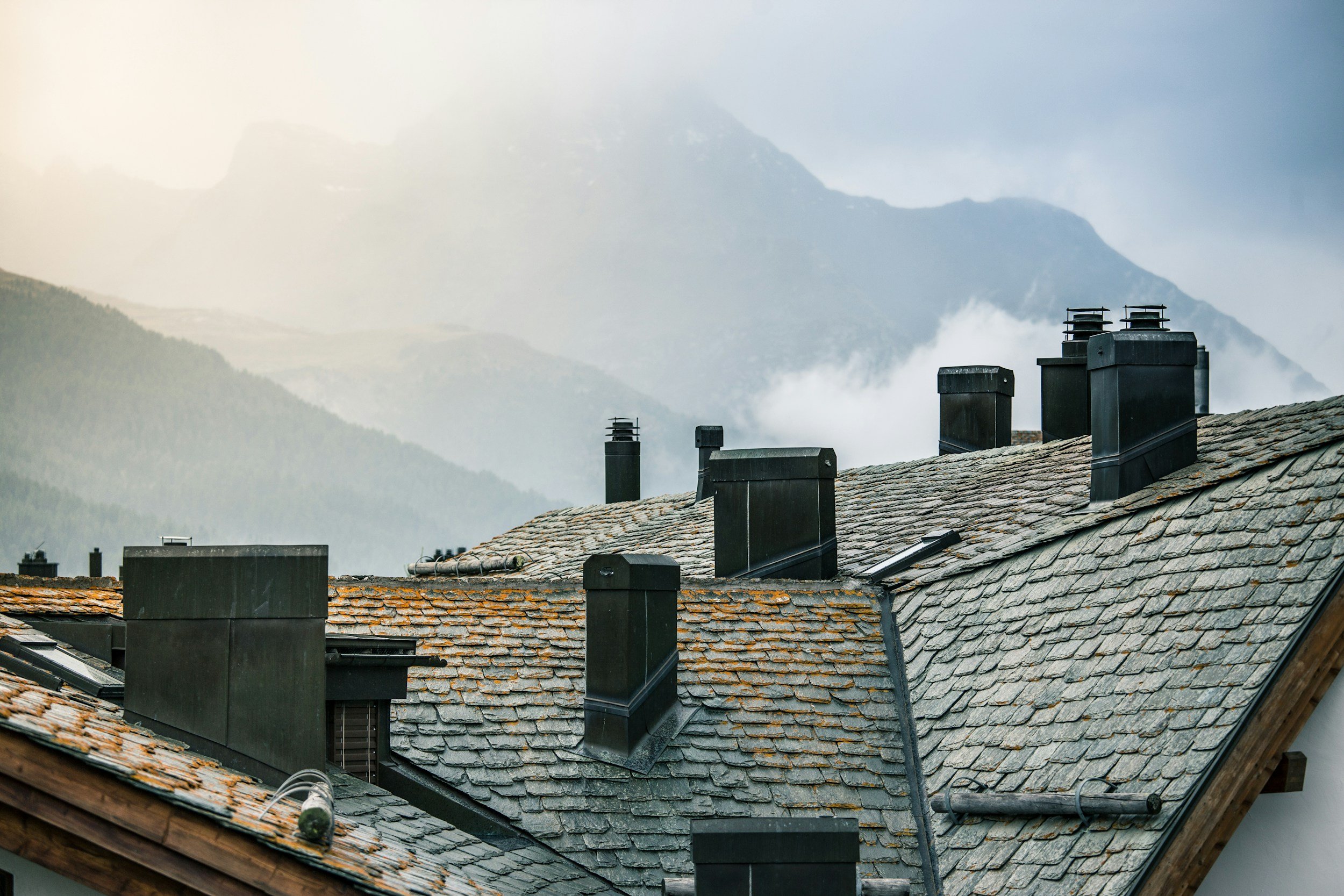
Why Chimney Inspection for Gas Conversions Matters in Seattle Homes
Seattle homes have old wood-burning fireplaces and stoves that homeowners want to convert to gas. Gas conversions are convenient and clean, but the chimney has to be ready. I’ve been in homes near Ballard and Green Lake where the old clay liner was cracked, and the vent path was blocked by soot. Without inspection, installing a gas appliance can cause backdraft, smoke problems, or even carbon monoxide leaks.
The City of Seattle provides building safety codes for gas appliance installations. The EPA gas vent safety guide also explains how vents must carry exhaust properly to prevent indoor pollution. A Chimney Inspection for Gas Conversions ensures that vent paths are clear, liners are intact, and airflow works properly so families stay safe. It’s like checking your plumbing before installing a new sink—you don’t want leaks.
How Our Chimney Inspection for Gas Conversions Works
We start with a detailed visual inspection. We look for cracks, rust, missing bricks, and blockages. Older homes in Wallingford or Queen Anne often have chimneys that shifted or settled over time. We use cameras to see the inside of the flue and measure airflow. Any cracks, loose bricks, or rusted liners are noted because gas appliances need airtight vents.
After inspection, we explain the findings in simple terms and show photos. Sometimes the fix is small, like replacing a cap or sealing a joint. Other times, relining the chimney or repairing masonry is necessary. After repairs, we recheck airflow and ensure the chimney is ready for a gas conversion. This step prevents future headaches like smoky rooms or appliance shutdowns.
Real Seattle Stories From Gas Conversion Inspections
One family in Magnolia called because their old wood fireplace had never been used safely for gas. When we inspected, we found that the clay liner had holes and the chimney top had missing mortar. We lined the chimney with stainless steel, sealed the top, and rechecked airflow. The family was thrilled—no smoke, no smell, just a clean burning gas fireplace.
Another call came from Capitol Hill. The homeowner wanted to convert a gas stove but had a vent that was partially blocked by bird nests. After clearing debris, sealing gaps, and installing a proper liner, the appliance worked perfectly. The customer later said they could finally cook with their new gas stove without worrying about fumes. These small wins make inspection work worth it every time.
Chimney Sweep Services That Support Gas Conversion Safety
Our Chimney Sweep service complements inspections by cleaning the vent and flue. Soot, leaves, and debris can block gas vents, causing poor airflow and potential hazards. I’ve cleaned chimneys in Fremont and University District homes where vents were half-full of old nests and soot. Cleaning first ensures that new gas appliances vent properly and safely.
Sweeping also helps spot hidden damage. Loose bricks or cracks are easier to see after a clean. Many Seattle homeowners schedule sweeping in the fall, just before fireplace season. This timing makes inspections and conversions smoother and safer.
Masonry Contractor Work That Helps Gas Conversion Chimneys Last Longer
As a Masonry Contractor, we repair chimney crowns, brick joints, and flashing that affect vent stability. Broken mortar or cracks allow water in, which can rust metal liners and create vent leaks. In West Seattle and Alki Beach, wet weather and salty air accelerate damage. After repair, chimneys hold up better during rainy Seattle winters.
We also match mortar for older homes so bricks don’t crack from harder mixes. Proper masonry supports the liner and prevents gaps where gas could leak. This work makes sure your chimney doesn’t just look good but also works safely for decades.
Seattle Neighborhoods, Weather, and Local Chimney Risks
Seattle’s long rainy season makes chimney inspections important. In Queen Anne and Magnolia, tall chimneys face wind-driven rain, which can damage vent caps and liners. In Ballard and Green Lake, older homes have clay liners that crack with age. Cold, damp basements can accelerate rust and mortar decay.
Different areas have unique challenges. Fremont homes near the ship canal sometimes have vent pipes affected by strong winds. Beacon Hill homes are often older and require careful masonry checks. Seasonal storms, winter fireplace use, and spring moisture all influence chimney safety. Regular inspection prevents minor issues from becoming dangerous or expensive.
Pricing, Timing, and What Homeowners Can Expect
Pricing for Chimney Inspection for Gas Conversions depends on chimney height, access, and the type of repairs needed. Most Seattle homeowners find inspections affordable compared to potential gas leaks or appliance failures. Inspections usually take one to two hours. Taller chimneys or multiple appliances may take longer.
Appointments are straightforward and results are shared the same day. Repairs can be scheduled immediately if needed. For service, call Chimney 360 Services, Seattle, (206) 618-2443 or visit https://www.chimney360services.com/. A timely inspection gives homeowners peace of mind and prevents future venting problems.
FAQs
-
Old chimneys may have cracks or blocked vents. Inspection makes sure gas appliances vent safely and work properly.
-
Yes. Cameras and airflow tests reveal cracks, rust, or blockages that aren’t visible from outside.
-
Most Seattle homes finish in one to two hours depending on chimney size and setup.
-
Yes. Cleaning removes soot, nests, and debris, allowing vents to work safely with new gas appliances.
-
Sometimes. Minor fixes like sealing joints are common, but larger repairs like relining may be needed for older chimneys.
-
Older areas like Wallingford, Green Lake, Queen Anne, and Magnolia often have aged chimneys needing attention.
