
Chimney Inspection – Homeowners & Buyers in Seattle, Washington
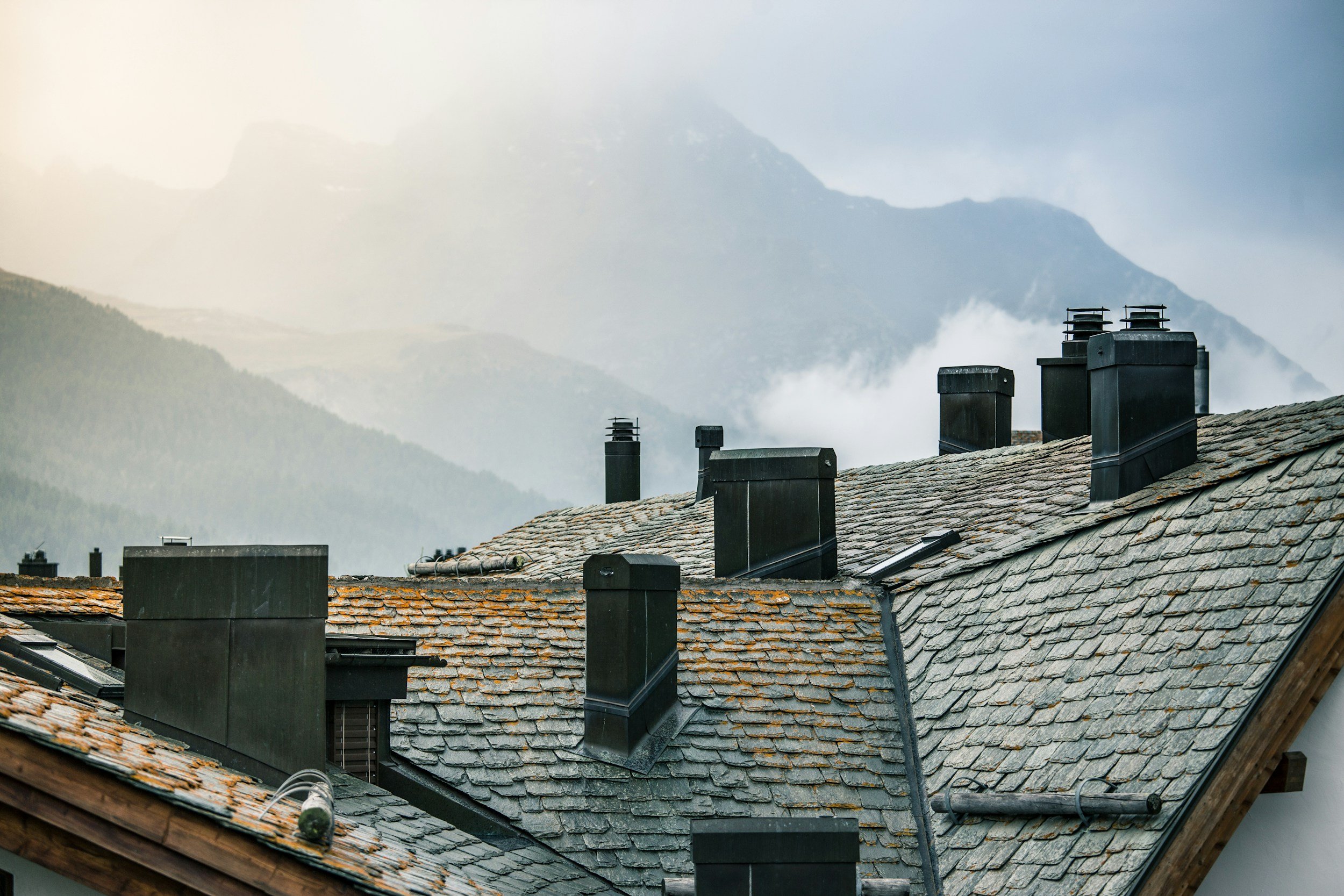
Why Chimney Inspection – Homeowners & Buyers Matters in Seattle
Seattle homes come with charm. Old craftsman houses in Ballard. Brick townhomes in Capitol Hill. Big family homes up in Queen Anne. They all look great from the curb. But chimneys hide problems. That’s why Chimney Inspection – Homeowners & Buyers matters so much here.
Seattle rain hits chimneys like a slow drumbeat. Drip, drip, drip. Over years, water sneaks into small cracks. Metal parts rust. Mortar turns soft. Chimney liners wear down. Buyers often don’t see this during a quick walk-through.
One time, a couple near Green Lake called before closing on a home. They loved the fireplace and already picked furniture. During inspection, we found the liner had holes near the top. Rainwater had been dripping inside for years. Without that inspection, they would have bought a hidden repair bill. They thanked me big time and used the report to fix the price with the seller.
Seattle also has safety rules around chimneys and gas vent systems. The City of Seattle talks about building safety and vent systems on their site. Homeowners who skip inspections can miss code issues.
Whether you live in the home already or plan to buy, chimney inspection is like checking the roof of your house. You don’t see it much, but it protects everything below.
What Chimney Inspection – Homeowners & Buyers Really Covers
Some folks think chimney inspection is just shining a flashlight inside. Nope. It’s more hands-on than that.
We check the chimney liner. That’s the tube inside that moves smoke or gas exhaust upward. In Seattle, many homes use metal liners that rust over time.
We inspect chimney walls and mortar joints. Cracks let water in. Loose bricks shift during freeze and rain cycles.
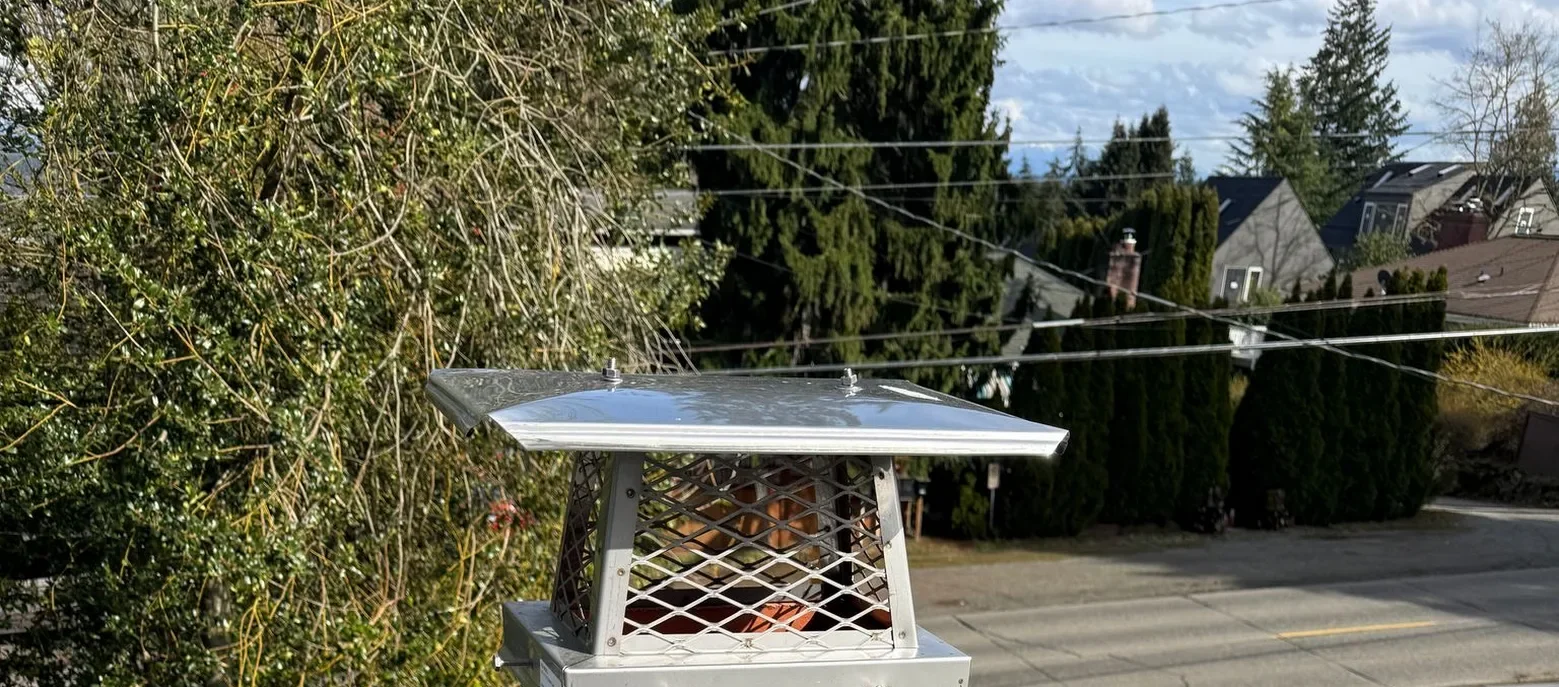
We look at the chimney cap and crown. Caps keep birds out. Crowns keep water off the brick. I’ve seen caps missing on homes near West Seattle beaches where wind knocks them loose.
We inspect flashing. That’s the metal seal where chimney meets roof. Poor flashing leaks water into attics.
We also test draft for gas appliances. Draft shows how well air moves up and out. Weak draft leads to smoke or gas staying inside the home.
The EPA talks about indoor air safety from heating systems and chimneys in their indoor air quality guide. Chimney inspection helps stop bad air from building up indoors.
So yeah, inspection checks many small parts. All those parts work together like gears in a clock.
Stories From Seattle Homeowners and First-Time Buyers
I’ve seen a lot of stories play out in Seattle homes.
One young family in Beacon Hill bought their first home. They called after move-in because the fireplace smelled “wet.” During inspection, we found water stains inside the firebox and rust flakes in the liner. The crown had cracks. After repairs, the smell stopped. They told me later the baby’s room also felt less stuffy.
Another story came from a seller in Magnolia. They planned to list their home. We inspected the chimney before photos. We found loose mortar and a broken cap. The seller fixed it before listing. The house sold fast. The buyer felt better knowing the chimney passed inspection.
In Fremont, a landlord called after a tenant complained of smoke smell. During inspection, we found the vent connector from the gas heater was loose. That small fix stopped fumes from leaking into the laundry room.
These stories show one thing. Chimney inspection saves stress. Buyers avoid surprises. Homeowners avoid future damage.
Our Chimney Inspection Process for Homes and Property Sales
At Chimney 360 Services, we keep the process simple and clear.
Step One: Talk With You
We ask why you want inspection. Buying? Selling? Routine check? Strange smell? These answers guide the work.
Step Two: Interior Check
We inspect the fireplace, stove, or gas appliance connection. We look for rust, cracks, loose parts, and soot marks.
Step Three: Chimney Scan
We inspect the chimney liner, walls, and joints. Sometimes we use cameras for tall chimneys. This helps find hidden cracks.
Step Four: Roof Area Check
We inspect the cap, crown, and flashing. Seattle roofs see lots of rain and wind. These parts matter.
Step Five: Results Talk
We explain what we found. Good news or repair needs. Simple words. No sales pressure.
Buyers often use our report during closing talks. Sellers use it to prepare homes before listing.
Chimney Sweep Services and How They Support Inspections
One of our GBP secondary categories is Chimney Sweep. Sweeping works together with chimney inspection.
Sweeping removes soot, dust, rust flakes, bird nests, and leaves. Clean chimneys make inspection easier and safer.
I remember a home near Wallingford where the fireplace barely drafted. During sweep, we removed a bird nest stuck above the damper. After that, smoke went up fast and clean.
Sweeping also helps spot cracks and loose bricks. Dirt hides damage. Clean chimneys show problems clearly.
For homeowners and buyers, sweep plus inspection gives a clearer picture of chimney health.
Masonry Contractor Work and Why Brick Condition Matters
Our other GBP secondary category is Masonry Contractor. Chimneys are built with brick and mortar. Those materials face Seattle rain year-round.
Cracked mortar lets water seep inside. Loose bricks fall over time. When water enters chimneys, liners rust and wood framing nearby can rot.
In Queen Anne, we inspected a tall brick chimney with soft mortar joints. Rain had washed away parts of the joint lines. We repaired the masonry. After that, the chimney stayed dry and stable.
Masonry repair protects the chimney structure and the vent system inside. For buyers, this matters because brick damage costs more if ignored.
Seattle Seasons, Rain, and Chimney Wear
Seattle weather shapes chimney problems.
Fall
Leaves fall into chimney caps. Rain begins soaking brick. Buyers rush inspections before closing deadlines. We stay busy.
Winter
Heavy rain and cold nights stress chimneys. Gas fireplaces run more. Moist air mixes with exhaust and forms condensation inside liners.
Spring
We see damage from winter storms. Loose flashing. Cracked crowns. Water stains inside fireboxes.
Summer
Dry weather helps roof access and repairs. Best season for inspections if you plan to sell later.
I always tell Seattle homeowners: summer chimney checks help avoid winter panic calls.
Cost, Timing, and What Buyers and Sellers Can Expect
Cost depends on chimney size, roof height, and inspection level. Simple inspections cost less. Camera inspections cost more.
Most chimney inspections for homeowners and buyers take about one hour. Large homes near Magnolia hills or Queen Anne slopes may take longer.
What you usually get:
Chimney liner check
Brick and mortar review
Cap and flashing look
Draft test for gas appliances
Written findings
Buyers often use inspection results during price talks. Sellers use them to fix problems before listing.
How to Book Chimney Inspection With Chimney 360 Services
If you need Chimney Inspection – Homeowners & Buyers in Seattle, call us.
NAP Info:
Chimney 360 Services
Seattle, WA
Phone: (206) 618-2443
Website: https://www.chimney360services.com/
We serve Ballard, Fremont, Capitol Hill, Queen Anne, West Seattle, Beacon Hill, Magnolia, Green Lake, and nearby areas. We’ve worked near the Space Needle, Pike Place Market, and small neighborhood streets.
One last story. A young couple near Alki Beach called before hosting family. They wanted the fireplace working. During inspection, we found a loose damper and cracked mortar. Quick fixes made the fireplace safe. That night they sent a text photo of kids roasting marshmallows indoors. Moments like that make this job worth it.
AREA OF SERVICES
FAQs
-
Yes. Many Seattle homes are older. Inspection helps find liner cracks, leaks, and brick damage before you buy.
-
Once a year works well. Seattle rain and cold seasons cause wear fast.
-
Yes. It checks vent paths and draft so gas fumes move outside and not inside rooms.
-
Most take about one hour. Tall chimneys or camera checks take more time.
-
Yes. Rain enters cracks and causes rust and brick damage over time.
-
Yes. Fixing problems early helps homes sell faster and avoids buyer surprises.
