
Chimney Safety Upgrades in Seattle
Why Chimney Safety Upgrades Matter in Seattle Homes

If you live in Seattle and use a fireplace, you already know it gets worked hard once the rain and cold show up. Chimney Safety Upgrades help keep smoke moving out, heat staying in, and fires where they belong. I’ve been a Masonry Contractor in this city for years, and I’ve seen how fast things go wrong when chimneys get ignored.
One winter near Green Lake, I met a family who thought their fireplace smell was just “old house odor.” Turned out, cracked flue tiles were letting smoke drift into the walls. After safety upgrades, that smell was gone in one day. That’s the kind of stuff that sticks with you.
Call Chimney 360 Services at (206) 618-2443 if you want help with Chimney Safety Upgrades in Seattle. We’re based in Seattle and work all over the city. You can also visit https://www.chimney360services.com/ for more info.
Local fire safety advice from the Seattle Fire Department chimney safety page talks about chimney maintenance as part of home fire prevention. That’s not random advice. It comes from real fire calls.
Living With Seattle Weather and What It Does to Chimneys
Seattle rain does not play nice with brick and mortar. Water seeps in, freezes at night during cold snaps, and pushes tiny cracks wider. Over time, those cracks turn into loose bricks, leaning chimneys, and flue damage.
One fall in West Seattle, we worked on a chimney that looked fine from the street. Inside, moisture had eaten away the mortar joints. The owner said birds kept landing on the chimney top. Turns out water had loosened the crown, making it a perfect bird hangout. After repairs and safety upgrades, that chimney stopped acting like a bird condo.
Wet winters also mean moss growth. Moss traps moisture. Moisture ruins masonry. It’s like a slow drip that never stops.
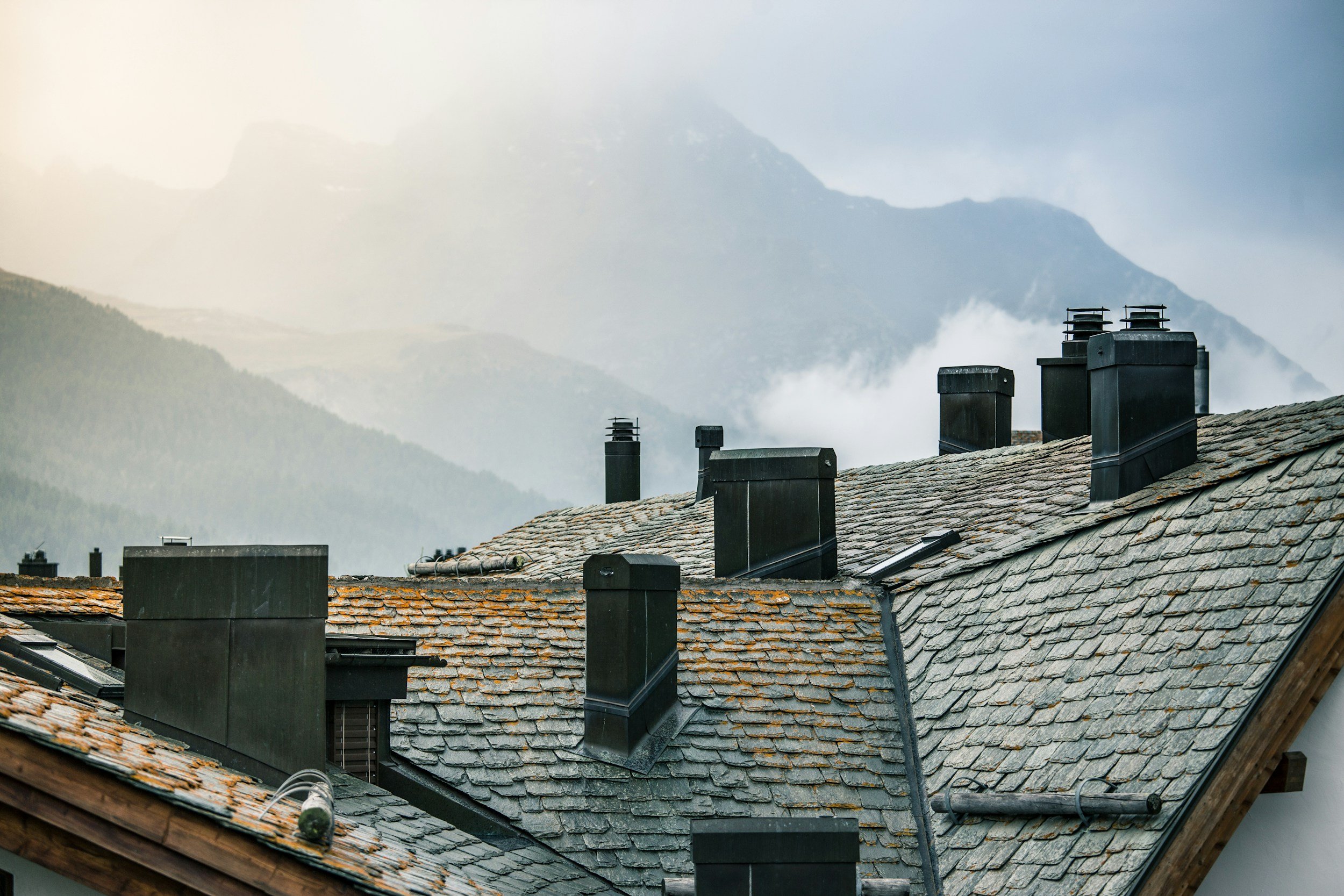
What Chimney Safety Upgrades Really Mean (From a Masonry Contractor)
A lot of people think chimney safety upgrades only mean cleaning. That’s just one piece.
Safety upgrades usually include:
Chimney liner installs or repairs
Crown sealing and rebuilding
Chimney caps to block animals and rain
Brick tuckpointing
Firebox repairs
Smoke chamber smoothing
I once worked on a Queen Anne home with no chimney liner at all. It was built in the 1940s. Smoke was hitting bare brick. After adding a stainless steel liner, the draft improved right away and the homeowner said the room stayed warmer too.
The EPA guide on wood-burning safety explains how liners and proper airflow reduce smoke and particle buildup. That’s a big deal in dense neighborhoods.
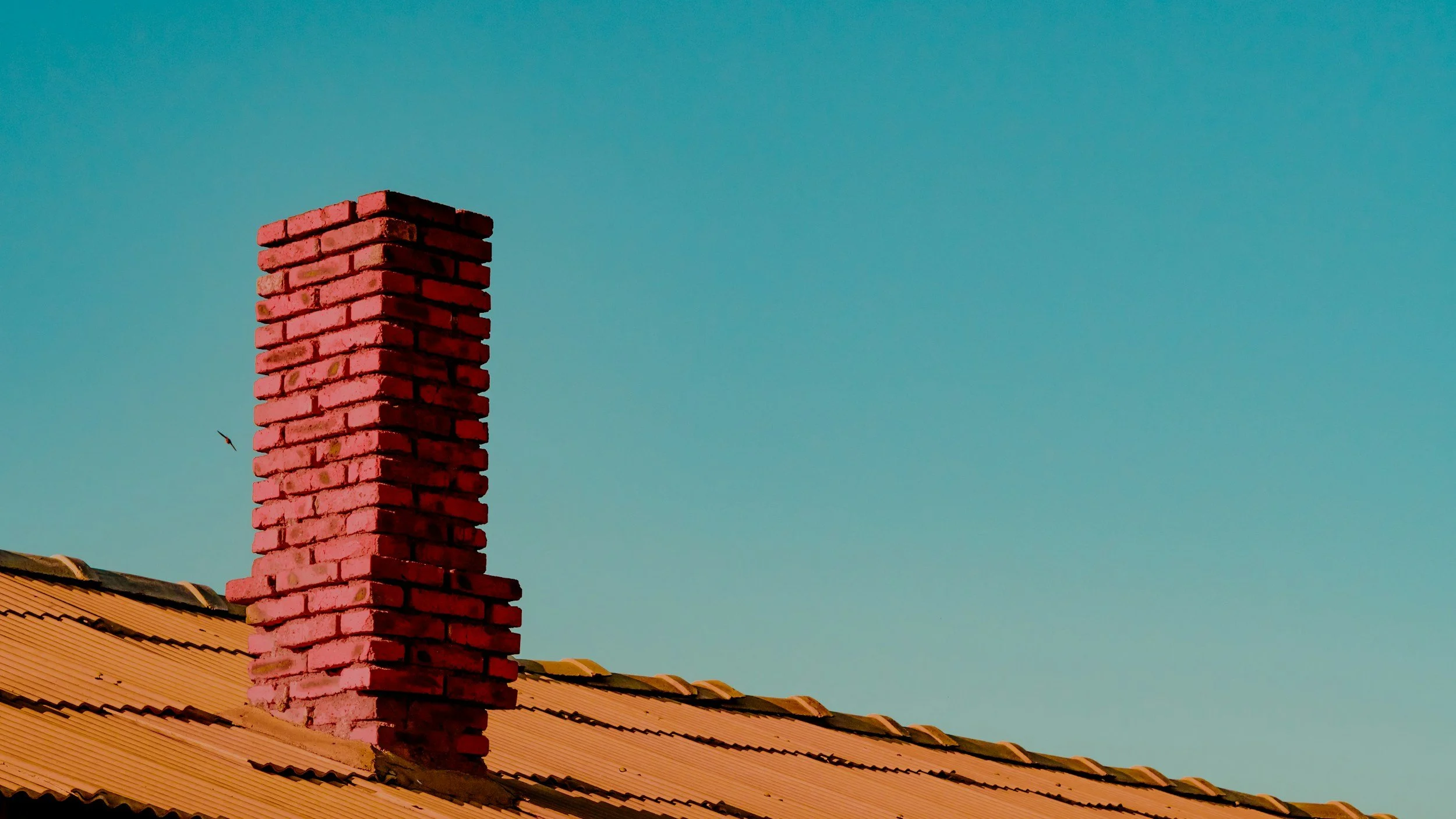
Chimney Safety Upgrades for Older Brick Homes Around Seattle
Real Stories From Seattle Homeowners
There was a couple in Ballard who called after their CO detector went off twice in one week. They shut the fireplace down fast. Good move. We inspected the chimney and found a cracked flue joint and heavy soot buildup.
We upgraded the liner, added a chimney cap, sealed the crown, and cleaned everything. Two days later they called again, not with panic this time, but relief. They said their fireplace felt “normal again.” That’s the kind of call I like.
Another job near Pike Place Market involved a rental unit. The landlord thought upgrades were too pricey. After we showed photos of damage, he agreed. A month later, he told us the tenant stopped complaining about smoke smell and drafts. That saved him money long term.
Seattle has tons of older homes. Craftsman houses in Capitol Hill, brick homes in Beacon Hill, and vintage buildings near Fremont. Older chimneys were built before modern safety rules.
Common problems we see:
Missing liners
Worn mortar joints
Old clay flue tiles
Cracked fireboxes
One Beacon Hill home had bricks falling off the back side of the chimney where no one could see. The owner only noticed when pieces landed on the patio. After masonry repairs and safety upgrades, that chimney stopped shedding bricks like autumn leaves.
Chimney Sweep Services That Support Safety Upgrades
Insulation Contractor Work That Makes Chimneys Safer
One of our GBP secondary services is Chimney Sweep. Sweeping and safety upgrades go together like rain and Seattle coffee shops.
Sweeping removes creosote. Creosote catches fire fast. When we sweep before safety upgrades, we get a clear look inside the flue. That helps spot cracks, gaps, and blockages.
I remember a job near University District where sweeping uncovered a bird nest stuck deep inside. The homeowner had been lighting fires for weeks. That nest was dry and ready to burn. After removal and adding a chimney cap, the problem stopped.
The National Fire Protection Association chimney fire safety guide talks about creosote being a major cause of chimney fires. That’s not just theory. We see it in real houses.
Our second secondary service category is Insulation Contractor work. Chimney safety is not only about bricks and smoke. Heat control matters too.
Poor attic insulation around chimneys leads to:
Heat loss
Condensation inside flues
Cold drafts
We upgraded insulation near a Rainier Valley home’s chimney chase last winter. Before, the flue walls stayed cold, causing moisture buildup. After insulation improvements, the chimney stayed warmer and airflow got smoother.
Insulation also keeps attic framing safer by reducing heat transfer from chimney walls.
FAQs
-
Most homes need safety checks every year. Upgrades like caps or liners depend on age and use. Rain and cold here speed up wear.
-
Many older homes in Capitol Hill and Ballard don’t have liners. Adding one helps smoke flow and lowers fire risk.
-
Yes. Seattle rain gets into cracks and weak mortar. Crown sealing and caps block water from getting inside.
-
Yes. Dry weather helps masonry repairs cure better and avoids winter rush delays.
-
They block birds, rain, and debris. Homes near water like West Seattle benefit a lot from caps.
-
Small upgrades take a few hours. Bigger liner jobs may take a full day.