
Chimney Inspection Services in Seattle, Washington - Chimney 360 Services
What is a Chimney Inspection?

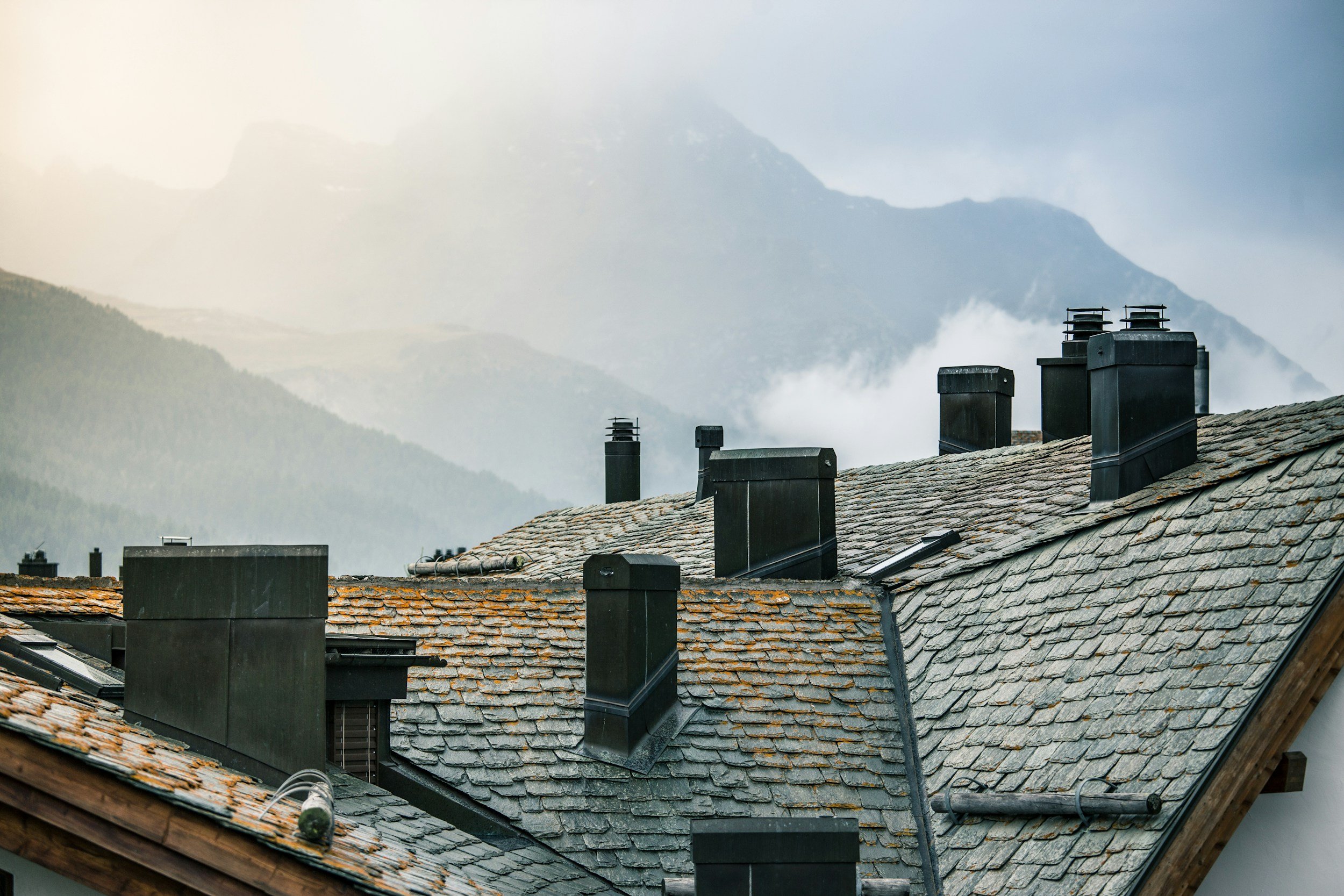
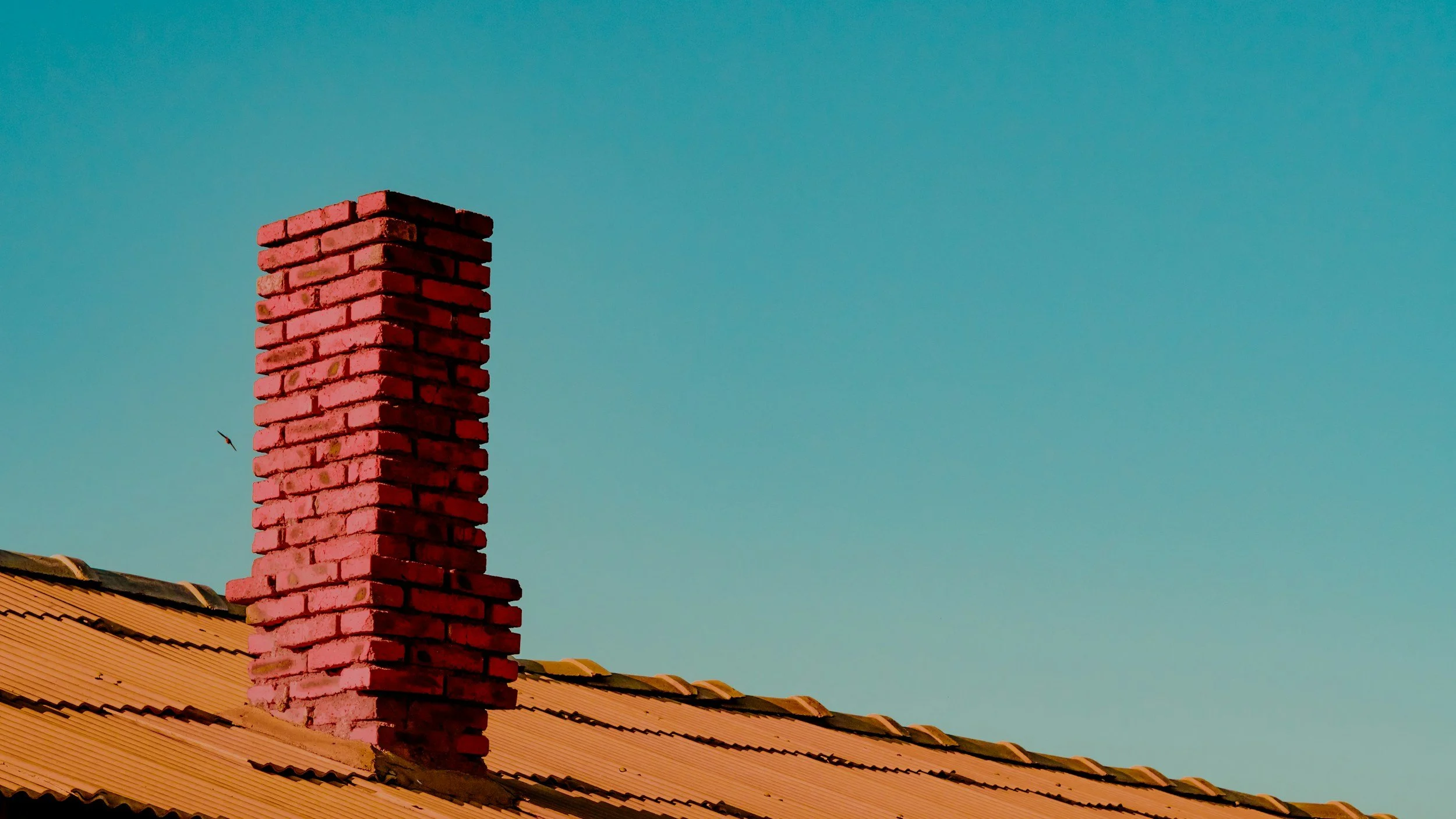
I first learned about chimney inspection when I moved into my old Craftsman near Green Lake. You know that tall brick stack that sticks up over your roof? That’s your chimney, and it’s kinda like your house’s lungs. A chimney inspection is when someone with gear (ladders, flashlights, mirrors) checks the inside and outside of that stack to see if it’s safe. They look for cracks, build-up of soot, animal nests, and even water damage.
I’ve done hundreds of chimney inspections here in Seattle, from homes near Pike Place Market to houses on Harbor Island. Every chimney is a bit different, like snowflakes, but covered in soot.
Why You Might Need a Chimney Inspection in Seattle
Seattle weather is weird, right? Some days it’s sunny, other days it’s raining sideways. That mix makes wood smoke hang around longer. If you use a wood stove in West Seattle in winter or burn wood near the University District, creosote can build up fast.
Creosote is a tar-like substance that grows inside chimneys when wood smoke cools. You can’t see it from the living room. One of my customers on Beacon Hill smelled smoke in his bedroom turned out that creosote had built up tightly like thick sludge in the flue. The chimney inspection found it before it caught fire. You really want someone who’s done this a lot.
My First Big Chimney Inspection Story in Ballard
I was called one morning in Ballard, neighborhood near the old locks, by a couple who had just moved into a 1920s bungalow. They had a beautiful stone fireplace but hadn’t used it yet. I climbed up, and… wow. Mouse nests bigger than my lunchbox, water stains up the bricks, cracks like mini canyons. I spent a long time explaining every little crack and what it meant. They were relieved they called before lighting a fire.
They later told me they told their neighbors about us at the annual Ballard Seafood Fest, and that’s how we got more calls that week.
Chimney Inspection and Dryer Vent Cleaning , How They Work Together
People often forget their dryer vents while thinking about chimneys. But here’s the thing: both need cleaning. A clogged dryer vent near your laundry room on Queen Anne can cause lint to pack up and even start a fire. I once had a call from a family near South Lake Union where lint had plugged the entire vent leading to the roof. They thought it was a smell from the kitchen for weeks.
When we do a chimney inspection for a customer who also has concerns about air flow in the home, we check if their dryer vent is working too. Dryer vent cleaning helps your dryer work better and stops lint fires. The City of Seattle Fire Department has info on dryer vent safety on their site.
Chimney Inspection and Chimney Services What’s the Difference
Okay, so chimney inspection is checking what’s inside and outside your chimney. Chimney services is a bigger bucket. It includes cleaning, repairs, rebuilds, caps, liners, all of that.
Once, at a home down by Alki Beach, the inspection showed the liner was badly cracked. That’s part of chimney services we repaired it so the family could use the fireplace for winter without smoke coming into the living room.
Chimney services might feel like a big word, but it’s just fixing what a chimney inspection finds.
Here’s some signs people in Capitol Hill tell me they notice:
Smoke in the living room when fireplace is lit
Smell of burning but no fire going
Soot around the fireplace opening
Birds flying in and out of the top of the chimney
Water stains on the ceiling near the chimney
One homeowner near Volunteer Park ignored that last one. When we inspected, water had rotted wood behind the chimney. It cost more to repair because it got worse over time. Easy to fix if caught early.
What Happens During a Chimney Inspection:
When I do a chimney inspection in places like Magnolia or Fremont, here’s pretty much what I do:
I walk around outside first. Check brickwork, look for cracks, watch how rain might be getting in.
Then I go inside and look at the firebox for soot patterns.
I use a flashlight and mirrors to look up the flue.
Sometimes I bring a camera to record for homeowners.
The inspection looks for soot build up, cracks in the flue, animal nests, water damage, blockages. If you want a reference for chimney safety standards, the U.S. The Fire Administration has a guide that’s good to read.
I always talk to the homeowner about what I find. One time in Ballard, a kid asked me why chimneys get dirty. I showed him the camera feed and he laughed at how black it was. He wanted to help clean — until he touched the soot!
Seattle has seasons that tease you. Autumn brings leaves that drop like confetti around Ravenna Park. Your chimney and roof get covered. Water gets in tiny cracks. Then winter rains wash dirt deeper into the brick. Summer heat bakes fractures. When fall comes again, you light up the first fire and smoke in the house.
A chimney inspection before winter helps stop this. I remember one winter in Wedgwood when a family didn’t call us. They started fires in October. By December, they had smoke damage in their dining room. They called in near panic. I climbed up and found a blocked flue. It was an easy fix, but could’ve been caught earlier.
Seattle Weather, Fall Leaves, and Why Inspections Matter
Signs Your Chimney Needs a Check in Capitol Hill
How Often You Should Get a Chimney Inspection in Seattle
A lot of people ask me how often they should check their chimneys. I tell them as dentists say for teeth: sooner than later. For most Seattle homes that burn wood, I recommend at least one chimney inspection every year before the cold season. If you use your fireplace a lot, maybe twice a year.
That’s because water and smoke both wear it down. The chimney is exposed to rain, cold, heat, wind off Puget Sound and wood smoke every time you light a fire.
One cold winter in Greenwood, a family called because their fireplace smoked even when it was clean. When I inspected, I found a bird’s nest halfway up the flue. The bird had picked twigs and leaves like it were building a city. We cleaned it out and put on a chimney cap so birds can’t go in again.
In West Seattle near Lincoln Park, a couple told me their neighbors said they don’t need inspections. They waited until spring when water stains showed up on their ceilings. That inspection turned into a repair job on the crown of the chimney. They told me after that they wished they had called us months earlier.
Real Stories from Greenwood and West Seattle
Landmarks, Areas, and Local Spots Where We Work
Serving Seattle and areas listed:
Auburn, Bellevue, Bothell, Burien, Des Moines, Edmonds, Everett, Federal Way, Issaquah, Kenmore, Kent, Lake Forest Park, Lynnwood, Mercer Island, Mountlake Terrace,
Redmond, Renton, Sammamish, Shoreline, Tacoma, Tukwila, Woodinville—pretty much all the places where fireplaces are older and need more love.
Phone
+1 (206) 6182443
Cost Factors for Chimney Inspection Around Seattle
People often ask, “How much will this cost?” There are a few things that change the price:
How tall and wide the chimney is
How easy it is to reach the top
If the inspection finds things that need more work
If the chimney has a liner
If it’s winter rush season or quiet fall days
I’ve climbed chimneys by Gas Works Park that are easy. I’ve climbed others near Beacon Hill that are tucked under big trees. Those with trees and vines often take more time.
A friend of mine in Queen Anne once tried to inspect his own chimney because he thought it was simple. He taped a light to a broom handle and poked it up the flue. I laughed when he told me, he said:
“I thought it would be easy.”
He barely saw anything and missed the big crack near the top. It was only visible with a mirror and good light. Professionals have the tools and experience to find problems before they start fires or let water in.
DIY vs Pro Chimney Inspection
A Story from Queen Anne
Seasonal Chimney Tips for Seattle Neighborhoods
In winter:
Folks in Beacon Hill love burning wood on cold mornings. But wet wood makes more creosote. Let it dry longer.
In fall:
In places like Crown Hill and Green Lake, leaves fall into chimneys nonstop. A mesh cap helps.
In spring:
Ballard and Fremont see a lot of birds. Birds love chimneys.
In summer:
Good time for repairs in Redmond, Sammamish, Tukwila, or Lynnwood because the weather is kinder.
Seattle has weird microclimates. If you’re in Shoreline or Everett, you’ll see moss faster.
If you’re near Mercer Island, winds shift a lot. Each neighborhood has its own chimney personality.
Common Problems I See in Seattle Fireplaces:
Damp fireboxes
Soot piles
Cracked crowns
Missing caps
Rust on metal parts
Mossy mortar
Dead birds (sorry but it's true)
Smoke rolling back
Creosote glaze
Sticky dampers
FAQs
-
A chimney inspection checks inside and outside the chimney for soot, cracks, blockages, and water damage. Helps keep fires safe.
-
Most Seattle homes that burn wood should get a chimney inspection once a year before winter starts.
-
We can check dryer vents too because lint build up can cause fires, and it helps your dryer work better.
-
Smoke in the living room, bad smells, water stains, or birds nesting near the top are signs you need a chimney inspection.
-
DIY inspection might miss problems. Pros have tools and gear so they can see cracks and blockages you can’t see.
-
It finds blockages and cracks so smoke and carbon monoxide don’t come into your home and start fires.