
Chimney Masonry Repair – Gas Venting Support in Seattle, WA
Why Chimney Masonry Repair – Gas Venting Support Matters in Seattle Homes
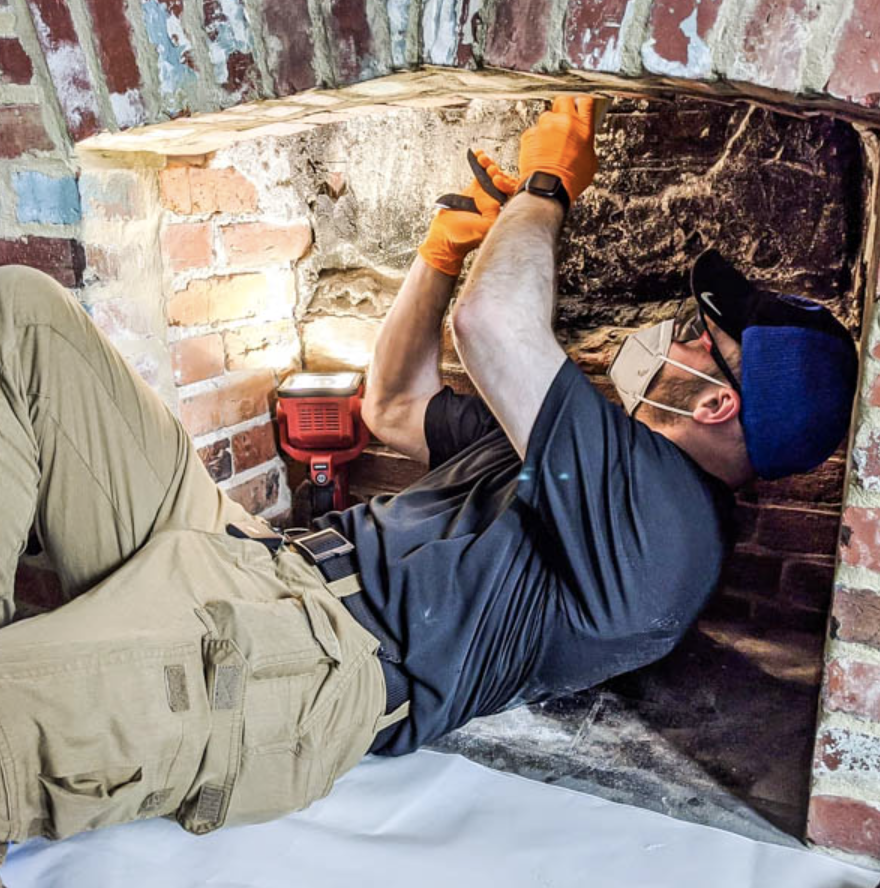
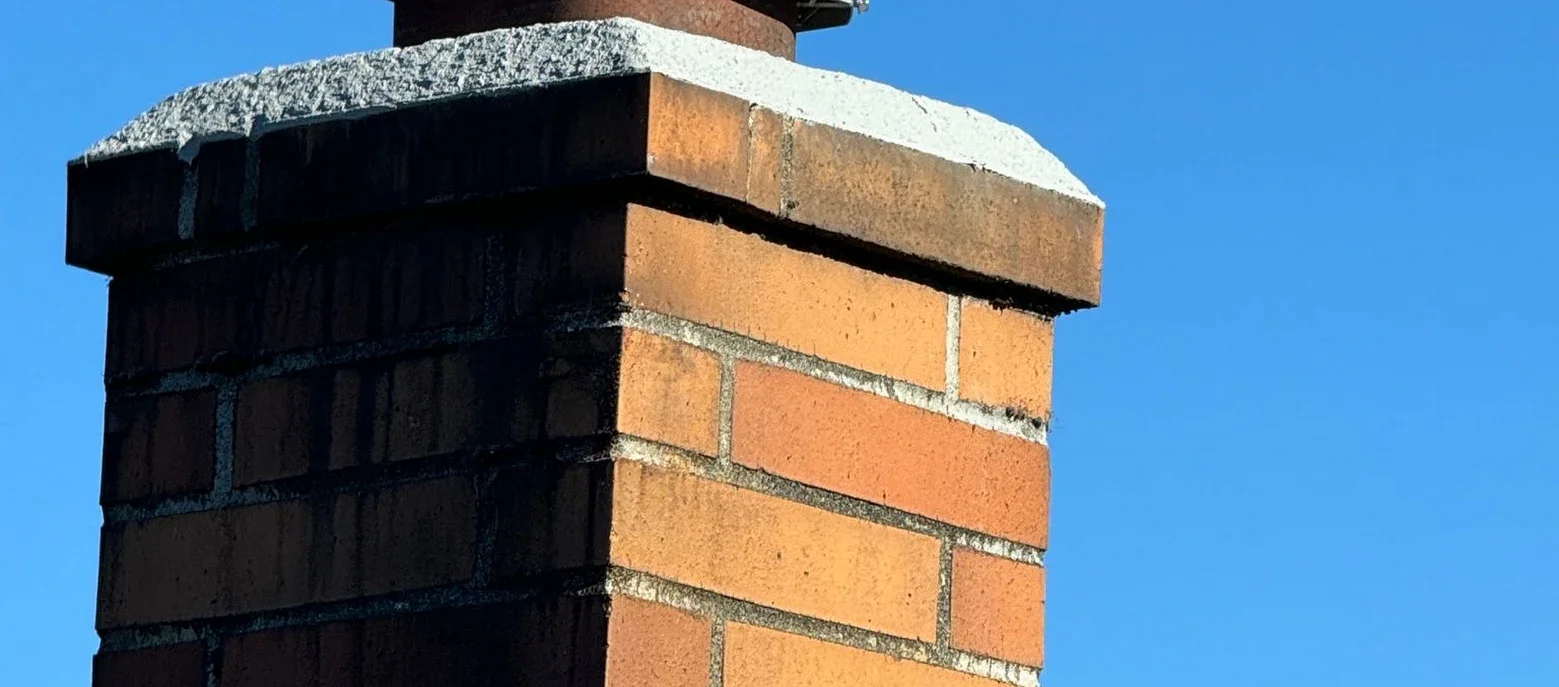
Seattle homes deal with rain, wind, salt air near the water, and long wet winters. All that moisture eats away at chimney brick and mortar. When masonry breaks down, gas venting systems lose support. That’s when trouble starts. I’ve seen gas vents tilt, crack, and even pull away from the chimney liner. Not fun. Not safe.
Chimney Masonry Repair – Gas Venting Support is not just brick work. It’s about keeping hot exhaust gases moving up and out of your house. When vents sag or leak, carbon monoxide can sneak back inside. I once helped a family in Ballard who kept getting headaches at night. Turned out their gas vent pipe was loose from bad chimney mortar. One repair later and they slept easy again.
Seattle weather makes this service extra needed. Heavy rain in fall soaks bricks. Then cold nights make water freeze inside tiny cracks. Bricks pop, mortar crumbles, and vents shift. Gas installation service pros like us at Chimney 360 Services, Seattle, (206) 618-2443 see this stuff weekly.
Local rules also matter. The City of Seattle wants chimneys and venting systems built to modern safety codes. You can check city guidance on chimney and venting safety from Seattle Department of Construction & Inspections. That’s not boring paperwork. That’s about safe homes.
Gas venting also links to indoor air health. The EPA guide on gas appliance venting safety talks about keeping exhaust paths clear and sealed. Broken chimney masonry messes with that flow.
So yeah, masonry repair plus gas venting support is not fancy. It’s basic home safety. Like locking your door at night. You don’t skip it.
How Our Gas Venting Support and Masonry Repair Process Works
Step One – Chimney and Vent Check
We start by looking at the full chimney stack. Outside bricks. Inside liner. Gas vent pipe position. We poke around gently. I use a flashlight and mirror to see hidden gaps. One time in Queen Anne, a vent was held up by old rusted straps. The chimney bricks behind it were dust. That vent was hanging on hope.
Step Two – Masonry Repair Planning
Next we map out the fix. Tuckpointing, brick swap, crown patch, or full rebuild of a small section. Each house is different. A 1920s Craftsman in Greenwood has different brick than a newer townhouse in South Lake Union.
We talk with homeowners in plain words. No fancy talk. Just what’s broken and how we fix it.
Step Three – Gas Vent Support Work
Gas vent pipes need solid backing. We add brackets, repair anchor points, and rebuild brick areas that hold vent supports. This keeps the vent straight and sealed.
I remember a job near Pike Place Market where salty air had rusted vent brackets. We replaced them with stainless hardware and rebuilt the chimney face. That vent hasn’t moved since.
Step Four – Sealing and Water Protection
After masonry work, we seal joints and add water-resistant coating if needed. This slows rain damage. Seattle rain is no joke. Ask any roofer.
Step Five – Final Safety Check
We re-check vent draft and alignment. We look for leaks around joints. Homeowner gets photos and tips on care.

Real Seattle Stories From Chimney Masonry Repair Jobs
One winter morning I got a call from a family in West Seattle. Their gas fireplace smelled weird. Not smoke, not gas. Just “off.” I drove over, climbed up, and found the chimney mortar cracked wide open behind the vent pipe. Rainwater had washed inside and rusted the vent. We rebuilt the damaged brick area, replaced part of the vent, and sealed it tight. A week later they sent a thank-you text. Fireplace worked better and the smell was gone.
Another job in Capitol Hill sticks with me. Old brick chimney from the 1930s. Beautiful outside, rotten inside. The gas water heater vent was leaning. The homeowner thought it was “just old house stuff.” We rebuilt the inner brick wall section and added vent supports. That lean turned into straight and solid.
In Rainier Valley, I met an elderly couple who never touched their chimney in 20 years. The vent pipe had no support left. It was pushing against loose bricks. We repaired the masonry and added support straps. They baked cookies for our crew. Best payment ever, besides cash of course.
These stories are common. Chimney Masonry Repair – Gas Venting Support is not rare work in Seattle. It’s daily life for gas installation service teams.

Chimney Sweep Services That Support Gas Vent Safety
Our secondary service as a Chimney Sweep plays a big role in vent safety. Soot and debris block airflow. Gas vents need clean paths. When airflow slows, heat builds up in the wrong spots. That stresses masonry and metal parts.
We sweep chimneys before masonry repair when needed. This lets us see hidden damage. One job in Fremont had bird nests blocking part of the vent opening. After cleaning, we repaired cracked mortar around the flue tile. That combo fixed airflow and structure.
Sweeping also helps spot early damage. Small cracks, loose bricks, tiny gaps. Catching them early saves money later. Like fixing a loose tooth before it falls out.
Masonry Contractor Work for Strong Chimney Structures
As a Masonry Contractor, we handle brick and mortar work the right way. Not slap-on patches. We match brick size and mortar type to older Seattle homes. New mortar that’s too hard can damage old brick. Seen that mistake too many times.
Proper chimney masonry repair supports gas venting systems long term. Strong walls hold brackets better. Solid crowns keep rain out. Tight joints stop air leaks.
We’ve rebuilt partial chimney stacks near Green Lake where freeze-thaw cycles destroyed mortar. After repair, the gas furnace vent ran smoother and quieter. Less vibration. Less noise. Better draft.
Pricing, Timing, and What Homeowners Can Expect
Chimney Masonry Repair – Gas Venting Support pricing depends on damage level. Small tuckpoint jobs cost less. Partial rebuilds cost more. In Seattle, most jobs fall in a mid-range that homeowners find fair once they see the safety benefit.
Time frame is usually one day for small jobs. Bigger repairs take two or three days. Weather can slow things down. Rain makes mortar curing tricky. We plan around that.
You get before and after photos. Simple care tips. No pressure sales. Just honest work.
For service, call Chimney 360 Services, Seattle, (206) 618-2443 or visit https://www.chimney360services.com/.
We work all over Seattle. From Ballard craftsman homes to Beacon Hill family houses. From condos near Lake Union to old brick homes near Volunteer Park.
Near University of Washington, we see student rentals with neglected chimneys. Those need extra care. Around Alki Beach, salt air speeds rust and brick wear. In Magnolia, tall chimneys catch strong wind, stressing vent mounts.
Local events also affect work timing. During rainy fall season, after the Seattle Autumn Leaves Festival, calls spike. People turn on heaters and notice vent smells or draft problems. Winter storms push water into cracks. Spring brings repair season.
No matter the area, the need stays the same. Solid masonry. Safe gas venting.
Neighborhoods and Landmarks We Serve Around Seattle
FAQs
-
Rain and cold weather break down chimney mortar. When bricks weaken, gas vents lose support and can leak or tilt.
-
Look for loose bricks, white powder on brick, vent pipes leaning, or odd smells when gas appliances run.
-
It can make dust outside, but pros use covers and clean up. Inside mess is small when done right.
-
Yes. Weak masonry lets vents move and leak. That can push exhaust back into the home.
-
Most jobs finish in one day. Bigger chimney rebuilds may need two or three days.
-
Yes. Mortar needs dry time. Crews plan work around Seattle rain days.
