
Dryer Vent Inspection for Home Buyers in Seattle
Why Dryer Vent Inspection for Home Buyers Matters in Seattle
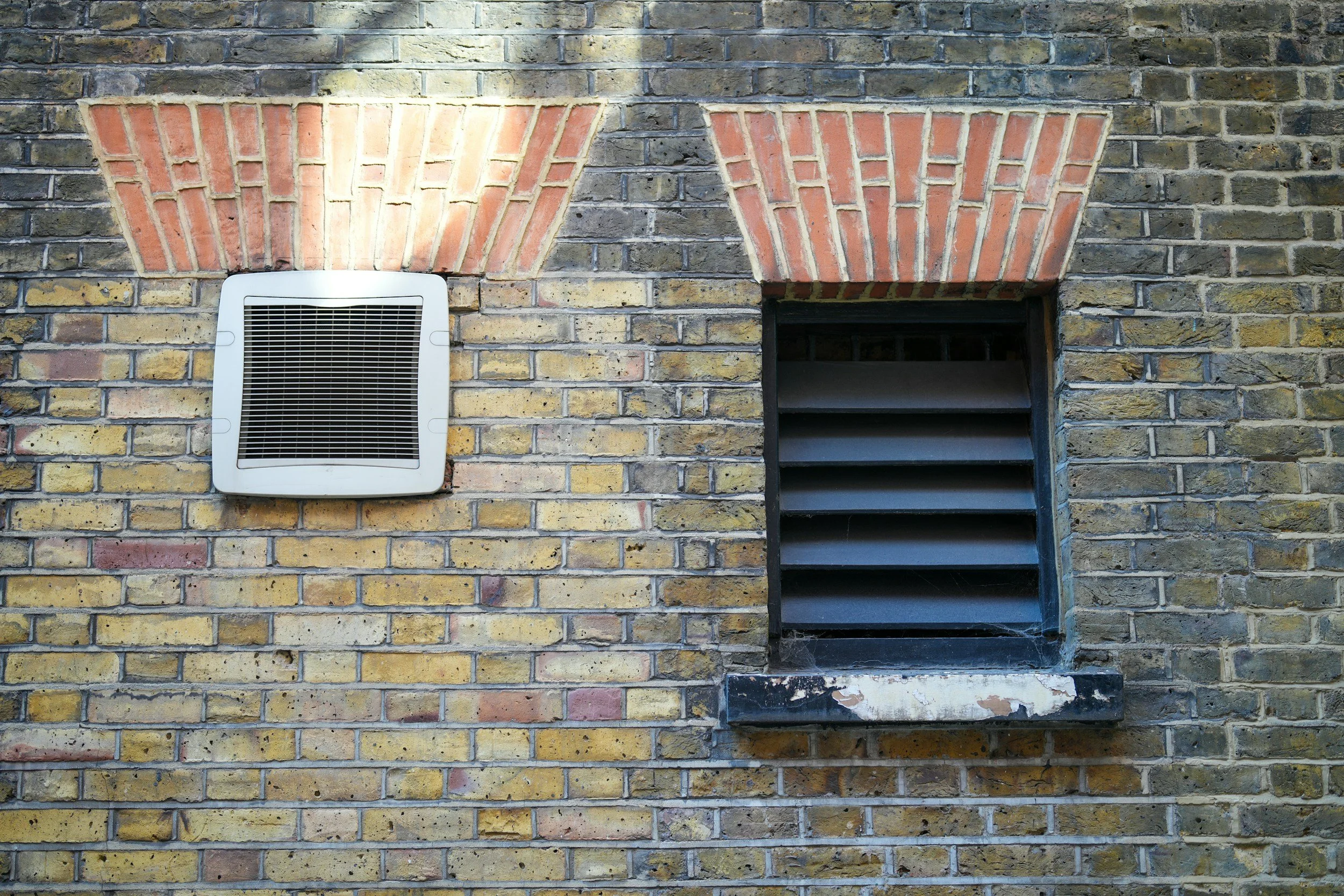
Buying a home in Seattle is already a big deal. Prices are high, homes move fast, and buyers often feel rushed. I’ve seen people focus on roofs, plumbing, and electrical, but skip something small like the dryer vent. That’s a mistake.
A dryer vent inspection for home buyers is not just a quick peek behind the dryer. It tells you if the system is safe, clean, and working right. Lint builds up over time, and that buildup can block airflow. When airflow is blocked, heat stays inside. That’s when things can get risky.
The U.S. Fire Administration reports thousands of dryer fires each year. Many of them come from clogged vents. You can read more in this fire safety guide on dryer vent hazards. It’s simple stuff, but many homes still have problems.
Seattle homes, especially in areas like Capitol Hill or Queen Anne, often have long or tricky vent paths. Some go through walls, crawl spaces, or even up to the roof. That makes cleaning and inspection more important.
I’ve walked into homes near Green Lake where the dryer took two cycles just to dry towels. The buyer thought it was a bad dryer. It wasn’t. The vent was packed with lint like a stuffed pillow.
What We Actually Check During a Dryer Vent Inspection
A lot of people think we just shine a flashlight and call it a day. Not even close.
When we do a dryer vent inspection for home buyers, we check airflow first. If the air isn’t moving strong, something is wrong. Then we look at the vent path. Is it too long? Too many bends? Crushed duct? These things slow everything down.
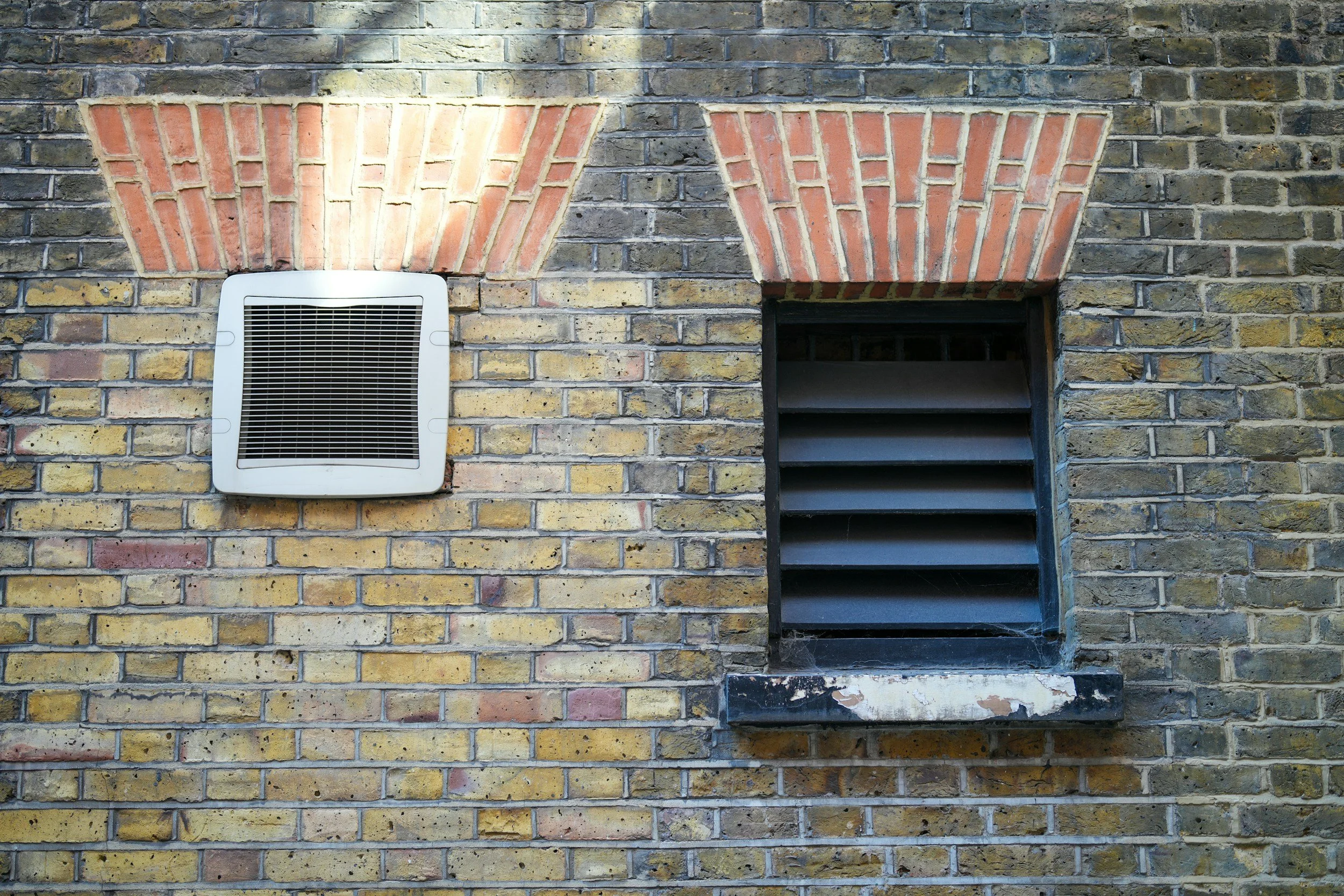
We also check the outside vent hood. I’ve seen bird nests in vents in West Seattle more times than I can count. Birds love warm spots. Sadly, that blocks air completely.
We also look at the material. Some older homes still use plastic or foil ducts. Those can melt or tear. Metal ducts are safer.
There’s also lint buildup inside the line. Sometimes it’s light. Sometimes it’s like pulling out a gray blanket. One time in Fremont, I pulled out so much lint it filled half a trash bag. The buyer just stared and said, “that was in the walls??” Yep… it was.
For more info on indoor air and home systems, this EPA guide on home ventilation safety is helpful and easy to read.
A Real Story From a Ballard Home Buyer
I remember this one couple buying a home in Ballard near the locks. Nice place, good light, fresh paint. Everything looked perfect.
They called us last minute. Honestly, they almost skipped the dryer vent inspection.
Good thing they didn’t.
The vent ran up two floors and out the roof. Inside that vent? Years of lint. The airflow was almost zero. The dryer was overheating. You could feel it just by running it for five minutes.
We cleaned it and tested again. Big difference.
The buyer later told me their inspector didn’t even mention the dryer vent. That happens a lot. General inspections don’t always go deep into these systems.
That small inspection saved them from future repair costs… and maybe something worse.
Hidden Problems We Find in Seattle Homes
Seattle homes have personality. That’s a nice way to say… they can be a little weird.
Here are some common issues we find:
Long vent runs through tight crawlspaces
Crushed ducts behind the dryer
Vents clogged with lint and dust
Improper vent exits (like into attics… yeah, that happens)
Missing vent covers
One home near Pike Place Market had a vent dumping lint straight into the attic. The attic looked like it had gray snow. Not good.
Lint is dry and flammable. When it builds up in places like that, it becomes a fire risk.
The CDC also talks about home air safety and reducing indoor risks in this home safety resource. It’s not just about fire, it’s about air quality too.
Dryer Vent Issues in Older Seattle Neighborhoods
How Chimney Services Connect to Dryer Vent Safety
Why Air Duct Services Also Matter for Home Buyers
When to Schedule Your Dryer Vent Inspection
Why Seattle Buyers Call Chimney 360 Services
Older neighborhoods like Beacon Hill, Rainier Valley, and Wallingford have charm. But they also have old systems.
I’ve seen vents that were installed 20–30 years ago and never cleaned. Some were added as an afterthought, so the routing is messy. Lots of turns, lots of places for lint to get stuck.
One house in Wallingford had a vent that twisted like a maze. The airflow was so weak the dryer took forever to work. The homeowner thought it was normal. It wasn’t.
In older homes, inspections are even more important. You don’t know what’s hiding behind the walls.
Now this might sound odd, but chimney services and dryer vents are kind of cousins.
Both deal with airflow. Both move heat and exhaust out of your home. When either one is blocked, problems start.
At Chimney 360 Services, we often inspect both. A home with a dirty chimney and a clogged dryer vent usually shows a pattern… things haven’t been maintained well.
I once worked on a home near Discovery Park where both the chimney and dryer vent were blocked. The homeowner had no idea. They just thought the house “felt stuffy.”
After cleaning both, the difference was huge.
Air duct services tie into this too. Your home’s air system works together. If one part is dirty, it can affect the rest.
Dirty dryer vents can push dust and lint back into the home. That can mix with your air ducts and spread around.
We’ve had buyers in South Lake Union complain about dust right after moving in. Turns out, the dryer vent was clogged and pushing stuff back inside.
Cleaning the vent and checking the ducts helped fix the issue.
It’s all connected, even if it doesn’t seem like it at first.
If you’re buying a home in Seattle, try to schedule the dryer vent inspection during your inspection period.
Don’t wait until after closing.
I’ve seen buyers regret that. Once you own the home, the cost is on you.
A quick inspection now can save money later. It also gives you peace of mind.
Spring and fall are busy times for inspections here. Summer is also big since many people move then. Winter? Slower, but still important.
We’ve been doing this for years. We’ve seen all kinds of setups, from condos in Belltown to big homes in Magnolia.
We keep things simple. No confusing talk. Just clear answers.
Chimney 360 ServicesSeattle(206) 618-2443https://www.chimney360services.com/
People call us because we show them what’s going on. We don’t rush. We explain things in plain words.
One buyer told me, “you made it make sense.” That stuck with me.
Landmarks, Areas, and Local Spots Where We Work
FAQs
-
A clogged vent can cause fire risk and poor drying. Many Seattle homes have long vents that trap lint easily.
-
Most inspections take about 30–60 minutes. It depends on the home size and vent layout.
-
Some do a quick look, but not a full inspection. A specialist checks airflow and hidden lint buildup.
-
Clothes take longer to dry, the dryer gets hot, or there’s a burning smell. These are warning signs.
-
Not always. Inspection finds the problem. Cleaning is a separate service if needed.
-
Yes, condos often have shared or long vents. These can clog faster and need checking.
