
Dryer Vent Safety Inspection in Seattle
Now here’s the thing most people skip — a Dryer Vent Safety Inspection.
Why Dryer Vent Safety Inspection Matters in Seattle Homes
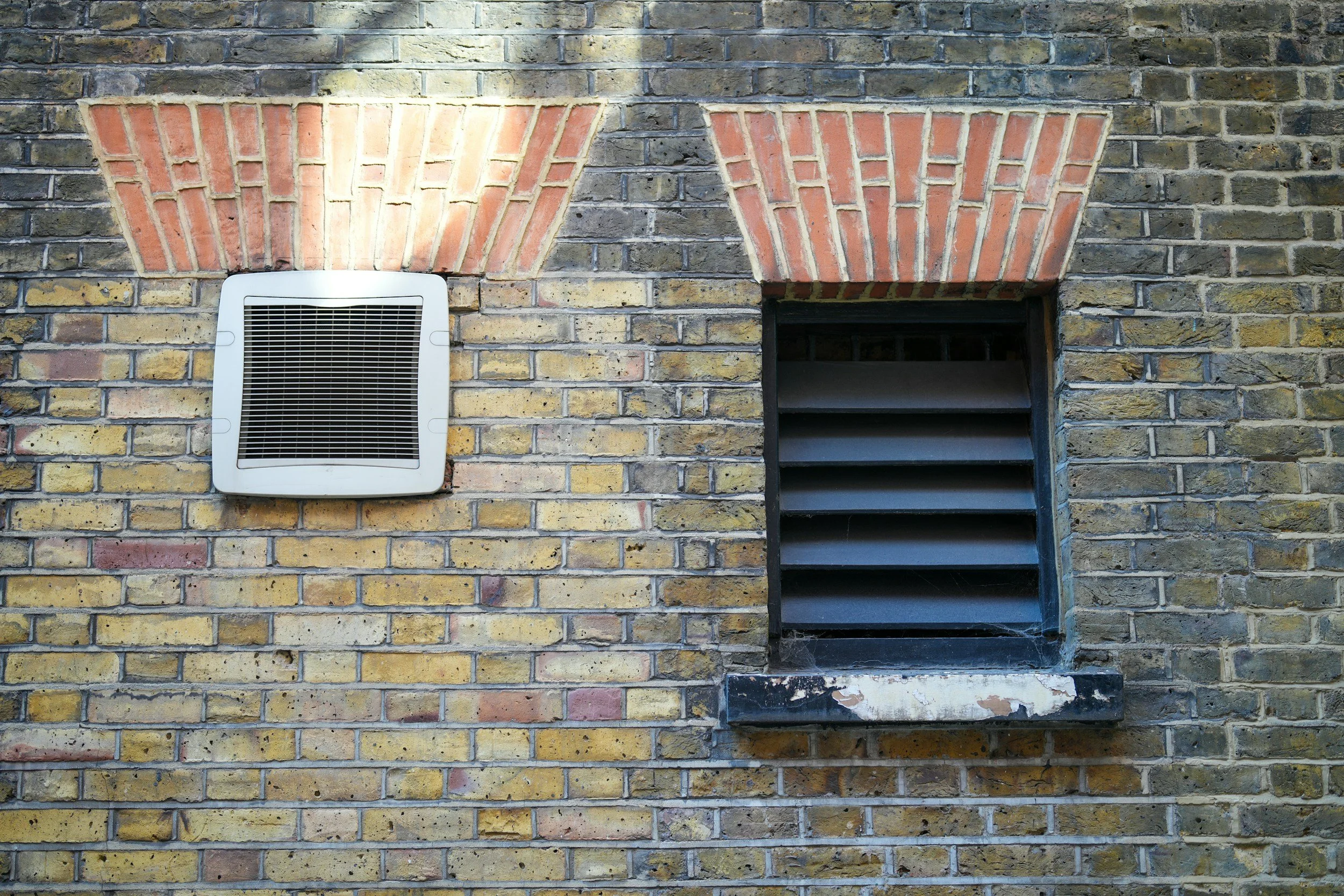
If you live in Seattle, your dryer works hard. Rainy days, cold mornings, wet jackets… laundry piles up fast.
Now here’s the thing most people skip — a Dryer Vent Safety Inspection.
I’ve been doing this for years with Chimney 360 Services, and honestly, a lot of homes we visit have never had one. Not even once. Kinda wild.
A dryer vent is like a tunnel. Hot air and lint move through it every time you dry clothes. Over time, lint sticks inside. It builds up slow… then all at once, it’s a problem.
I remember a house near Ballard where the vent was so packed, air barely moved. The dryer was running hot, like way too hot. The homeowner thought it was just old. Nope. It was choking on lint.
Lint burns easy. That’s why safety inspections matter.
The U.S. Fire Administration has a solid page about dryer fire prevention and home safety in Seattle homes. Fires from dryers happen more than people think.
In Seattle, homes stay closed up a lot. That trapped heat has nowhere to go if the vent is blocked. That’s where risk starts.
Also… inspections save money. A clean, safe vent lets your dryer run better. Less time. Less energy. Less stress on the machine.
What We Find During Real Dryer Vent Safety Inspections (Seattle Stories)
Let me tell you what we actually see out there.
One job near Space Needle, older home, tight vent line. We ran the inspection camera through and saw lint clumps stuck like glue to the walls. It looked like gray snow packed in a pipe.
The owner had no idea. Dryer still “worked,” but it was slow.
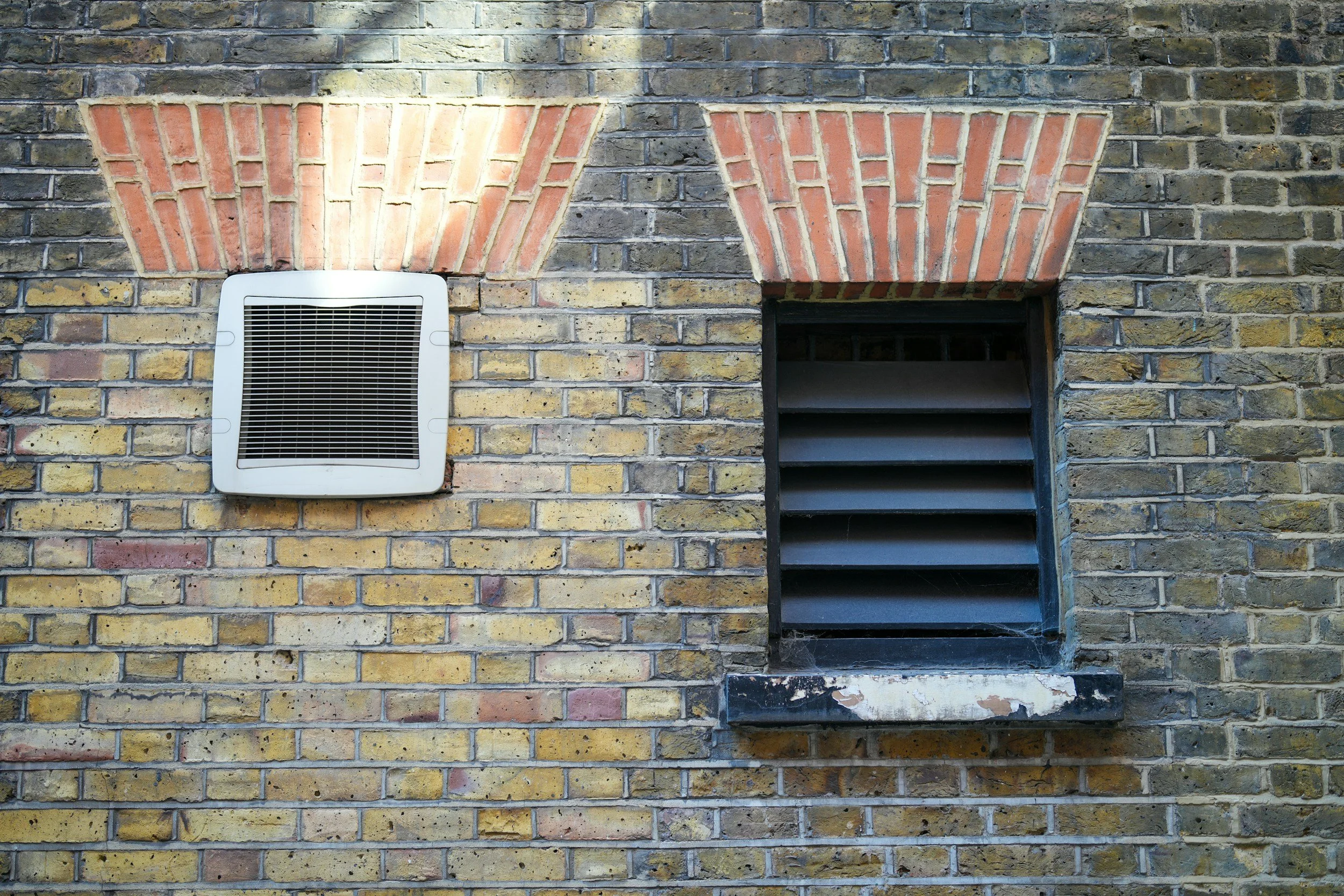
Another one in Capitol Hill — small condo. The outside vent flap was stuck closed. That’s it. Simple thing, but it blocked airflow. Inside the line, lint had piled up behind it. Like traffic jam.
Then in West Seattle, we found a bird nest inside the vent. Yeah… happens more than you’d think. Birds love warm spots. That nest blocked almost everything.
Customer said, “I just thought my dryer was weak.” Nope again.
These inspections show what you can’t see. And trust me, some of it is kinda gross.
Warning Signs Your Dryer Vent Needs an Inspection
Some signs are easy to ignore. I’ve seen people live with these for months.
Here’s what to watch:
Clothes still damp after one cycle
Dryer feels hot to the touch
Burning smell (this one… don’t ignore it)
Lint around the vent opening
Outside flap not opening right
Laundry room feels humid
I had a customer in Queen Anne who said, “My dryer smells funny but still works.” When we checked, the vent was half blocked and heating up too much.
Another one in Fremont noticed his laundry room felt like a sauna. That’s a sign air isn’t leaving properly.
If you notice any of these, it’s time for a Dryer Vent Safety Inspection.
You can also check the EPA indoor air quality and home ventilation tips for Seattle residents. Airflow matters more than people think.
Seattle Weather and How It Affects Dryer Vent Safety
Seattle weather plays a big role here. It’s not just about lint.
Rain adds moisture. That moisture mixes with lint and makes it sticky. Instead of dry fluff, it turns into clumps. Those stick inside vents.
In winter, dryers run more. More loads = more lint. Simple.
I’ve seen vents clog faster in neighborhoods like Green Lake and Northgate where homes stay closed tight during cold months.
Spring? Pollen gets into outside vents. I cleaned one in Beacon Hill where lint and pollen mixed together. Looked like yellow dust cake.
Summer isn’t off either. People wash more after hikes, trips to Pike Place Market, beach days. That means more dryer use again.
So yeah… Seattle weather kinda works against your dryer vent.
Our Dryer Vent Safety Inspection Process (Step-by-Step)
Chimney Services for Seattle Homes
Air Duct Services and Indoor Air in Seattle
Why Choose Chimney 360 Services in Seattle
At Chimney 360 Services, we keep it simple and real. No fancy talk.
Here’s how we do a Dryer Vent Safety Inspection:
First, we check your dryer setup. We look at how the vent runs, how long it is, and where it exits.
Then we inspect airflow. Weak airflow usually means blockage.
We use tools like cameras to see inside the vent. This part is always interesting. Customers are like, “Wait, that’s inside my wall??”
Yep.
Next, we check the outside vent cap. Is it opening? Is it stuck? Is there debris?
I remember one home in Magnolia where the cap was blocked with leaves and lint. Simple fix, big difference.
We also check for damage. Crushed ducts, loose connections, things like that.
After the inspection, we explain everything in plain words. No confusing terms.
If cleaning is needed, we’ll say it. If things look okay, we’ll say that too.
We also handle chimney work.
In Seattle, fireplaces get used a lot during cold months. I remember a home in Ballard where the chimney hadn’t been cleaned in years. Smoke wasn’t flowing right. After cleaning, it worked much better.
Chimneys, like dryer vents, deal with airflow. When blocked, problems start.
If you’re already booking a dryer vent safety inspection, it’s not a bad idea to check your chimney too.
Air ducts move air through your whole home.
Dust, dirt, and allergens build up over time. I worked with a family in Northgate who had bad allergies. After cleaning their air ducts, they said it felt easier to breathe.
Seattle homes stay closed up a lot because of rain. That means indoor air gets reused more.
You can check Seattle home air and ventilation tips here. Clean air systems help your whole home feel better.
We’re local. We know Seattle homes. We’ve worked in apartments, condos, old houses, new builds… you name it.
Chimney 360 Services Seattle
(206) 618-2443
https://www.chimney360services.com/
We keep things simple. No confusing talk. Just honest work.
I remember one job near Queen Anne. The homeowner was nervous about cost. After inspection, we showed them the issue and gave options. No pressure. They appreciated that.
We treat every home like it’s ours. Even if we find nothing wrong, that’s good news. And we’ll tell you straight.
Landmarks, Areas, and Local Spots Where We Work
FAQs
-
Once a year is good for most Seattle homes. If you use your dryer a lot, check it every 6–8 months.
-
It checks airflow, blockages, vent damage, and outside vent parts. It helps spot problems early.
-
Yes. Rain and moisture make lint stick inside vents. This can cause faster buildup.
-
Yes. Inspection checks the system. Cleaning removes lint. Often, both are done together.
-
That usually means airflow is blocked. A safety inspection can find the cause fast.
-
Yes. Condo vents can be long or tight. This makes airflow weaker and buildup faster.
