
Gas Fireplace Inspection in Seattle
Trusted Local Chimney Sweep Experts

I’ve been doing chimney sweep work in Seattle long enough to know one thing. Gas fireplaces get ignored. People think since there’s no wood, no ash, and no smoke cloud, nothing bad can happen. That thinking keeps me busy. Gas Fireplace Inspection is one of the most skipped services in Seattle homes, and also one of the most needed.
At Chimney 360 Services, we inspect gas fireplaces all over Seattle. From older homes near Volunteer Park to newer builds in South Lake Union, gas systems age fast in this damp city. I’ve seen clean-looking fireplaces hiding loose fittings, blocked vents, and burners coated with grime. Stuff you can’t see unless someone trained opens it up.
This page is about Gas Fireplace Inspection in Seattle, written in plain words, from real jobs, with real stories.
Why Gas Fireplace Inspection Matters in Seattle Homes
Seattle homes deal with moisture year-round. Rain sticks around. Air stays heavy. That moisture sneaks into gas fireplace systems through vents, caps, and tiny gaps. Over time, metal parts rust. Seals dry out. Burners clog slowly.
During a Gas Fireplace Inspection, we often find problems before homeowners notice anything wrong. I’ve walked into homes in Queen Anne where the fireplace looked perfect, yet the vent pipe had rust flakes falling inside the chase.
Gas fireplaces also run inside living spaces. When airflow gets weak, gases hang around longer than they should. The EPA gas appliance safety guide explains how poor venting affects indoor air.
Seattle homes are built tight to keep heat in. That makes inspections even more useful.
What Happens During a Gas Fireplace Inspection
A Gas Fireplace Inspection is hands-on. We shut the system down and open it fully. We check burners, logs, pilot lights, valves, and venting paths.
We look at flame color. Blue flames with soft yellow tips are normal. Lazy orange flames mean dirty burners or airflow issues. We test ignition systems and safety shutoffs.
Gas fittings get checked for leaks. I once found a loose valve behind a fireplace near Capitol Hill that only leaked when the system warmed up.
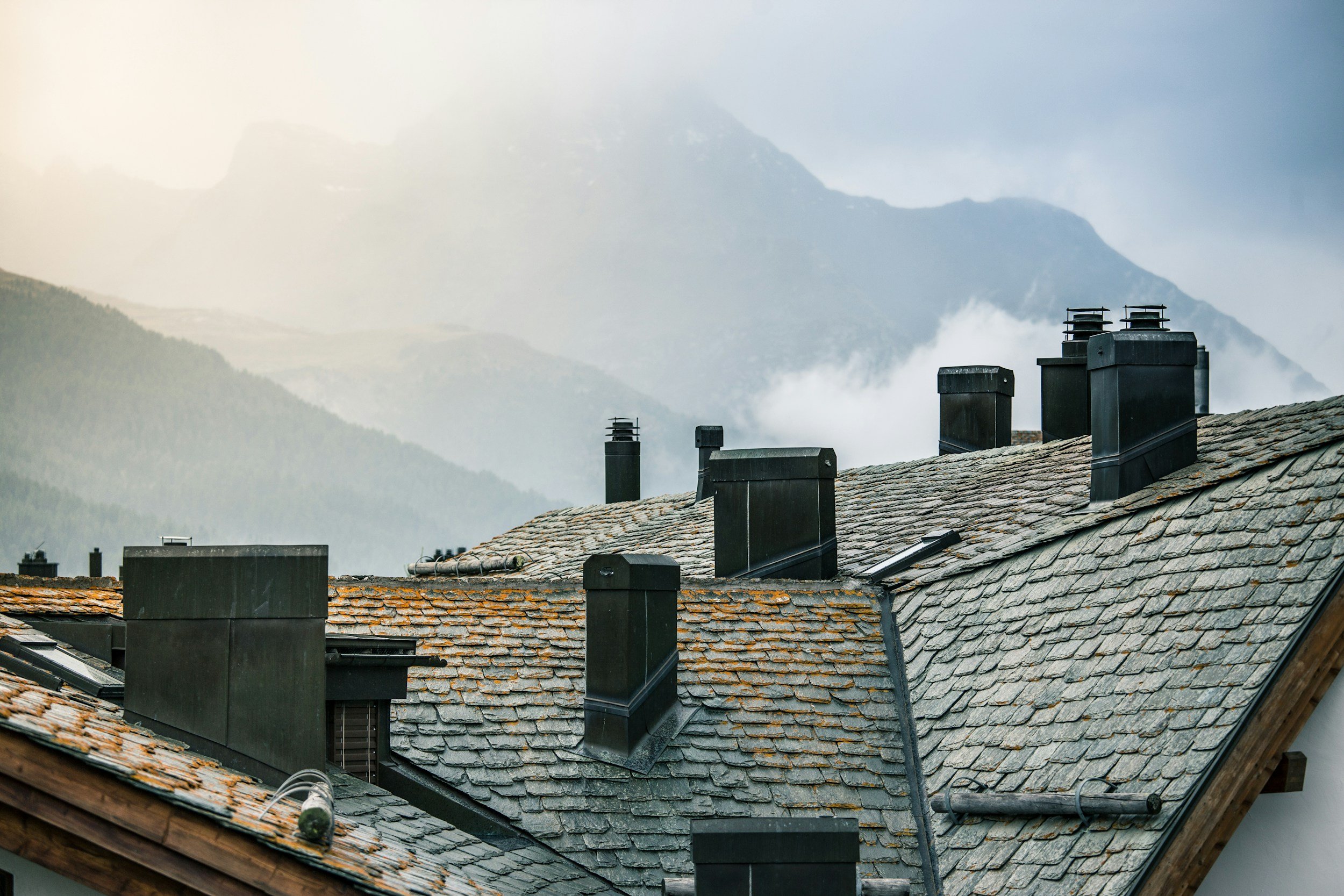
Venting is a big part of Gas Fireplace Inspection. Seattle trees drop leaves everywhere. Birds love vent caps. Rainwater sneaks inside when caps shift.
We also check clearances around the unit. I’ve seen furniture pushed too close in Fremont homes, trapping heat.

How Seattle Weather Impacts Gas Fireplaces
Seattle weather messes with fireplaces in quiet ways. Long wet seasons cause corrosion inside vent pipes. Cold nights followed by damp mornings cause metal to expand and shrink. Over time, joints loosen.
Homes near Puget Sound, like Magnolia or Alki, deal with salty air. That speeds up rust on metal venting and gas connectors.
Fall storms knock vent caps loose. Winter winds push rain sideways into vents. During inspections near Ravenna Park, we often pull out soggy leaves and nesting material.
Gas Fireplace Inspection catches weather damage early, before heat loss or gas smell shows up.
Common Gas Fireplace Problems Found in Seattle
Dirty burners show up a lot. Dust mixes with moisture and coats burner ports.
Blocked vents are common after fall storms. Leaves, nests, and debris pile up fast.
Rusty vent connectors appear in older homes around Wallingford and Beacon Hill.
Weak pilot lights happen when systems sit unused all summer.
Improper log placement causes uneven flames and soot buildup.
Gas Fireplace Inspection finds these issues before they turn into service calls at the worst time.
The Washington State Department of Health indoor air info explains how gas appliances affect air when not maintained.
Gas Fireplace Inspection vs Homeowner DIY Checks
Homeowners can look for obvious stuff. Cracked glass. Strange smells. Clicking sounds.
But Gas Fireplace Inspection goes deeper. We open sealed panels. We test gas pressure. We inspect vent paths you can’t see.
I’ve met homeowners in University District who cleaned logs themselves and accidentally blocked burner ports. Inspection fixed it, but it shows how easy mistakes happen.
DIY checks don’t replace professional inspections, especially in Seattle’s climate.
Gas Fireplace Inspection and Indoor Air Quality
Gas fireplaces burn clean when working right. When something goes wrong, gases linger.
Seattle homes stay closed most of the year. Windows stay shut. Air doesn’t move much. That makes airflow problems worse.
Gas Fireplace Inspection checks draft strength and vent connections. We look for backdraft signs and heat stains.
The City of Seattle indoor air quality resources talk about keeping combustion appliances working right.
Clean systems breathe better.
Seattle Landmarks and Areas Where We Inspect Gas Fireplaces
We’ve inspected gas fireplaces near Pike Place Market, Queen Anne Hill, Green Lake, Alki Beach, and Capitol Hill.
Homes near Discovery Park deal with wind-driven rain. Downtown condos near South Lake Union deal with shared vent systems.
Seattle events like winter storms spike inspection calls. After wind events, vent caps shift. Inspections catch it.
Local experience matters.
Dryer Vent Services and Their Role in Home Safety
Dryer Vent cleaning is one of our secondary services under the Chimney Sweep category. It ties closely to fireplace safety.
Blocked dryer vents trap heat and moisture. That moisture spreads through walls and attic spaces, affecting fireplace venting.
In Seattle homes near Northgate, we’ve cleaned dryer vents packed with lint that raised humidity levels inside.
Dryer Vent service keeps airflow balanced in the home, which helps gas fireplaces vent properly.
FAQs
-
Once a year works best, especially before winter. Seattle moisture causes rust and blockages that build up over time.
-
Yes. Many problems hide inside vents and valves. Clean outside doesn’t mean safe inside.
-
Yes. Rain enters vents, causes rust, and blocks airflow. Inspections catch this early.
-
No. There’s no ash like wood fireplaces. It’s mostly internal checks and cleaning.
-
Yes. Poor venting can let gases linger indoors, especially in tightly sealed Seattle homes.
-
Yes. We work across Seattle, including Ballard, Capitol Hill, West Seattle, and more.