
Chimney Inspection for Cold Air Intrusion in Seattle
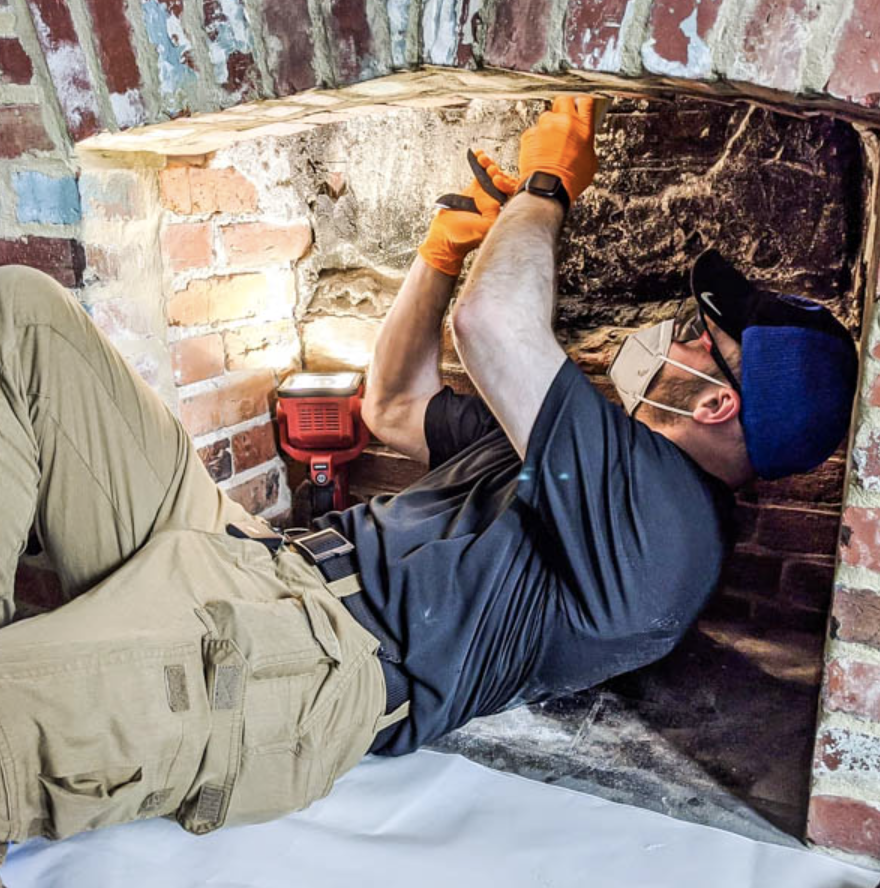
Cold air sneaking into a home through the chimney feels like a ghost breeze. You sit on the couch, blanket on your legs, and boom, cold wind hits your ankles. I’ve worked as an Insulation Contractor in Seattle for many years and this is one of the most common calls we get. Chimney Inspection for Cold Air Intrusion is not fancy work, but it saves heat, money, and comfort.
At Chimney 360 Services, we get calls from Ballard, Queen Anne, and West Seattle almost daily. Folks tell us, “My heater runs all day but the living room still feels cold.” Many times, the chimney is the hidden hole letting outside air rush in. You can reach us at (206) 618-2443. We are based in Seattle and handle chimney and insulation problems all around the city. You can also see more info at https://www.chimney360services.com/.
Cold air intrusion is sneaky. You can’t always see it. But you can feel it. During Chimney Inspection for Cold Air Intrusion, we check dampers, flue liners, caps, brick joints, and insulation contact points. This is local work. Seattle rain, wind, and salt air near the Sound make chimneys age faster.
What Cold Air Intrusion Does to Seattle Homes
Cold air intrusion feels small but acts big. When cold air drops down the chimney, your heater has to work harder. Your energy bill climbs up. Your home feels uneven. One room warm, one room cold. I see this a lot in older homes near Capitol Hill and Fremont.
One winter near Green Lake, a family called us because their baby room stayed cold. They added new attic insulation but still felt drafts. During Chimney Inspection for Cold Air Intrusion, we found the damper stuck half open. Cold air was pouring down like a waterfall. After fixing it and sealing gaps, the room warmed up fast.
Cold air also brings moisture. Moist air hits warm indoor air and makes condensation. That can lead to mold near fireplaces and chimney walls. Seattle already deals with damp weather, so stopping cold drafts helps keep walls dry.
Why Fireplaces Act Like Open Windows
A chimney without a tight damper is like leaving a window cracked all winter. Wind blows straight inside. Inspection helps stop that flow.
Pressure Changes Inside Tight Homes
When homes get new insulation, they become tighter. That changes pressure. Chimneys can start pulling air the wrong way. Inspections help fix that balance.

Why Chimney Inspection for Cold Air Intrusion Matters After Insulation Work
As an Insulation Contractor, I see this pattern. Homeowners upgrade insulation, windows, and doors. The house gets sealed. Then chimney problems pop up. That’s why Chimney Inspection for Cold Air Intrusion works hand in hand with insulation jobs.
A remodel client in Beacon Hill added spray foam in the attic. Good move. But after that, cold drafts came from the fireplace. During inspection, we found the chimney cap damaged. Wind was blowing straight inside. We replaced the cap and added a tight-seal damper. That fixed it.
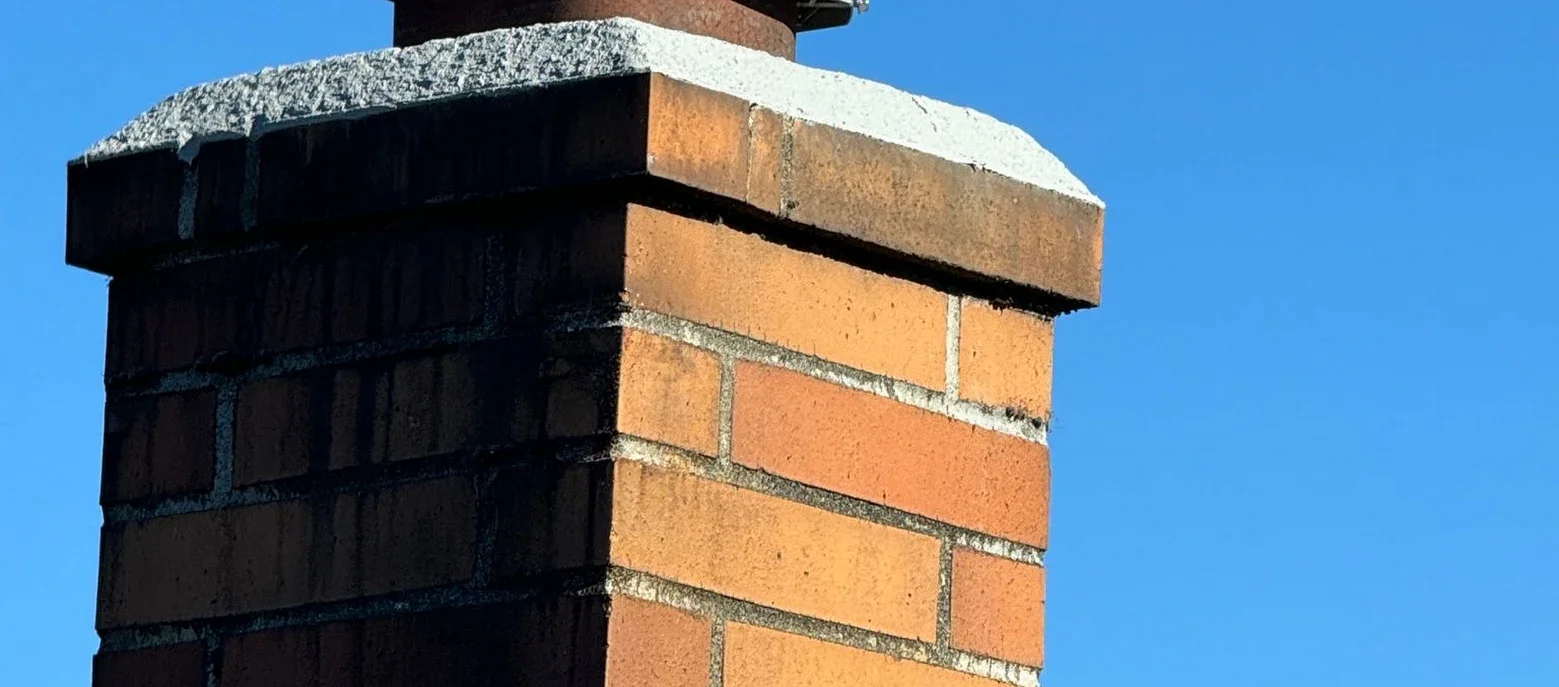
Cold air intrusion can also cool chimney walls too much. That makes smoke condense and stick. Over time, creosote builds up faster. Inspection helps stop this cycle early.
Seattle energy programs talk about sealing air leaks to save energy. The City of Seattle energy efficiency and home weatherization info shares tips on air sealing and draft control (https://www.seattle.gov/city-light/energy-savings). Chimneys are part of that system.
Real Seattle Stories From Chimney Inspection for Cold Air Intrusion Jobs
One of my favorite stories comes from a home near Alki Beach. The homeowner said their living room felt like a wind tunnel on stormy days. During Chimney Inspection for Cold Air Intrusion, we found cracks in the chimney crown and loose flashing. Wind was forcing air inside. After repairs, they told us the room felt calm and quiet again.
Another job in Wallingford involved an old brick chimney. The owner complained about cold air and musty smells. We opened the chimney and found missing mortar joints. Outside air and moisture were sliding through tiny gaps. Masonry repairs and insulation sealing stopped the drafts.
I also remember a rental home near University District. Tenants were using space heaters because the main room stayed cold. Inspection showed the damper rope seal was gone. That tiny missing seal made a big difference. After fixing it, they turned off the space heaters.
Stories like this repeat across Seattle. Chimney Inspection for Cold Air Intrusion keeps homes steady and warm.
Seasonal Cold Air Problems Around Seattle Neighborhoods
Seattle seasons play rough with chimneys. Each season brings a new challenge.
Winter Wind and Storm Drafts
Winter storms push cold wind down chimneys. Homes near Puget Sound feel this more. During winter inspections in Magnolia and Shoreline, we often see caps bent from storms. Fixing these stops wind tunnels.
Spring Rain and Damp Drafts
Spring rain cools chimney walls. Cold damp air slides inside. That makes living rooms feel chilly even when heaters run. Inspection checks flashing and crown seals.
Summer Repairs That Help Winter Comfort
Summer is repair season. We inspect and seal chimneys when weather is dry. That prep work keeps winter drafts away.
Fall Prep Before Heating Season
Fall inspections catch damper issues and loose bricks. Homes near Ballard and Greenwood often call us in October to stop cold air before heaters turn on.
The EPA home heating and fireplace safety guide explains airflow and draft problems tied to chimneys. This info lines up with what we see in Seattle homes
Chimney Sweep Services and Their Role in Stopping Cold Drafts
Chimney Sweep work is part of Chimney Inspection for Cold Air Intrusion. When chimneys fill with soot and debris, airflow becomes uneven. That causes pressure problems and cold air drops.
One homeowner in Rainier Valley thought sweeping only helped with smoke. After inspection and sweeping, cold drafts dropped too. Clean flues allow dampers to close better and airflow to move smoother.
Sweeping also helps spot broken dampers, rusted metal parts, and animal nests. Birds and squirrels build nests that block airflow. When nests get removed, draft improves and cold air flow gets controlled.
As an Insulation Contractor, I always tell folks: clean chimney plus sealed insulation equals better comfort.
Masonry Contractory Work and Leaky Chimney Walls
Masonry Contractory work is huge for Chimney Inspection for Cold Air Intrusion. Brick chimneys crack. Mortar wears down. Seattle rain and freeze cycles make small cracks grow.
I inspected a home near Queen Anne with strong cold drafts. We ran smoke tests and saw air pulling through brick joints. The chimney looked solid from far away, but close up it had gaps. Masonry repairs sealed the leaks and stopped cold air flow.
Chimney crowns also crack. Water enters and freezes. That opens pathways for air. Repairing crowns keeps both water and cold air out.
Washington State indoor air quality info also talks about moisture and airflow problems in homes (https://doh.wa.gov/community-and-environment/indoor-air-quality). Chimney leaks play a role in this.
Local Codes, Permits, and Seattle Home Rules
Seattle building rules apply to chimneys. When repairs or insulation upgrades happen near chimneys, spacing and venting rules must be followed.
I worked with a homeowner near South Lake Union who remodeled and sealed walls around the chimney too tight. That broke clearance rules. During inspection, we caught it early. We adjusted spacing and airflow paths.
Local knowledge helps here. Homes near Pioneer Square often have historic brick chimneys. New townhomes near Northgate use metal flue systems. Inspection steps change based on building style.
Seattle homeowners selling homes also face inspection reports. Cold air intrusion notes can lower home value. Fixing these issues early protects resale price.
NAP and Local Service Info
If cold drafts are bugging your home, Chimney Inspection for Cold Air Intrusion can help.
Business Name: Chimney 360 Services
City: Seattle
Phone: (206) 618-2443
Website: https://www.chimney360services.com/
We handle chimney inspections, insulation-related airflow problems, chimney sweep services, and masonry checks all across Seattle neighborhoods.
FAQs
-
Wind, rain, and weak dampers cause cold air to drop inside. Seattle storms push air into chimneys and make rooms feel chilly.
-
Yes. New insulation makes homes tighter. That can change pressure and pull cold air through chimneys.
-
Most visits take about one hour. Older Seattle homes with brick chimneys may take a bit longer.
-
Yes. Clean flues allow dampers to close better and airflow to stay steady, which cuts cold air leaks.
-
We serve Ballard, Fremont, Queen Anne, West Seattle, Capitol Hill, Green Lake, and nearby areas.
-
Yes. Cold drafts make heaters run longer. Stopping leaks lowers energy use and saves money.
