
Chimney Safety Inspection for Gas Appliances in Seattle
Why Chimney Safety Inspection for Gas Appliances Matters in Seattle
Seattle weather is damp. Rain falls sideways sometimes. Moisture mixes with soot and creates sticky buildup inside chimneys. Gas appliances burn cleaner than wood, but that does not mean zero risk. Exhaust gases still travel through metal liners and masonry flues. When rust forms or joints loosen, leaks happen.
One winter near Capitol Hill, a family called us because their carbon monoxide alarm kept chirping. During inspection, we found a cracked liner behind the wall. They had no idea. Without that alarm and inspection, they might still be breathing bad air today.
Local fire departments warn about CO dangers. The Washington State Department of Health shares gas safety tips here: Gas appliance safety in Washington homes.
When Google looks at service pages, it checks if the business shows clear local service signals. That means talking about Seattle homes, climate, streets, and real problems. That’s what we do every day.
What Happens During a Chimney Safety Inspection for Gas Appliances
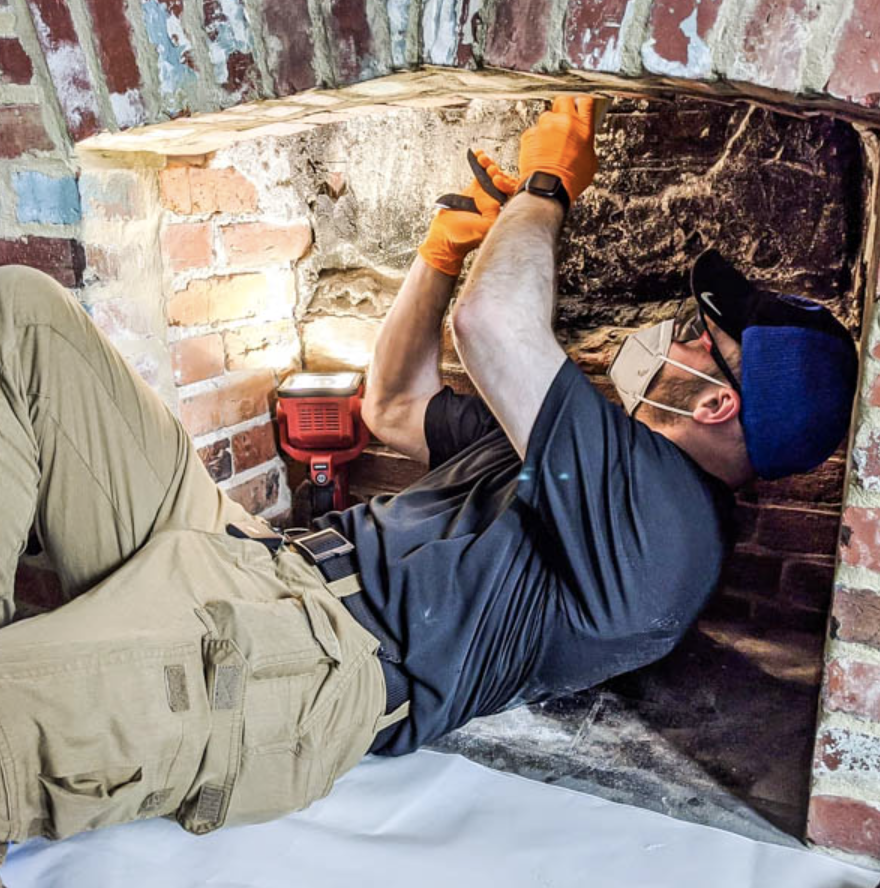
People often ask what we actually do during a Chimney Safety Inspection for Gas Appliances. It’s not just shining a flashlight.
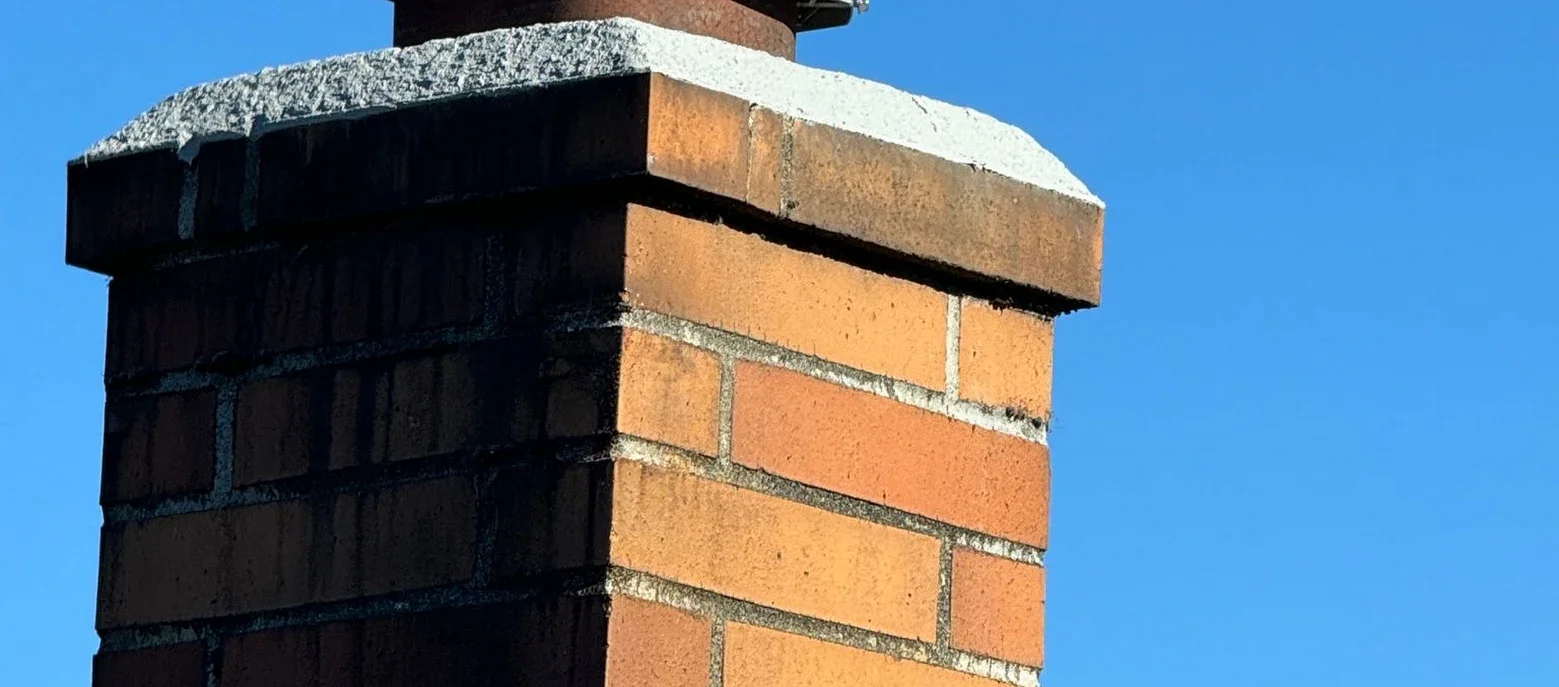
We start with a visual check. We look at the cap, crown, flashing, and vent connections. Rain in Fremont can rot chimney crowns fast. Then we inspect the flue liner. We check draft flow by running the gas appliance and watching smoke movement.
We also inspect clearances. Some Seattle basements are tight. Gas water heaters get squeezed next to storage shelves. That’s risky.
I remember a Rainier Valley home where the vent pipe had been bumped by a moving box. It looked fine but was loose. Exhaust gas leaked into the laundry room. Small things cause big trouble.
For extra safety info, the City of Seattle Fire Department shares carbon monoxide prevention tips: Seattle carbon monoxide safety guide.
Real Seattle Customer Stories From Chimney Safety Inspections
Stories stick better than rules.
One couple near Pike Place Market owned a condo with a rooftop gas fireplace vent. They complained about headaches at night. During inspection, we found wind backdraft issues. Downtown buildings create wind tunnels. Exhaust got pushed back inside. After adjusting vent height and adding a proper cap, the headaches stopped.
Another case was in Shoreline. A rental home had a gas furnace that hadn’t been checked in years. The flue pipe had rust holes. The landlord didn’t notice because it sat behind drywall. After repair, the tenant told us the house felt warmer and smelled cleaner.
These are normal Seattle homes. Nothing fancy. Just people who needed safer air.
Seasonal Chimney Safety Inspection Needs Around Puget Sound
Seattle seasons change chimney behavior.
Fall
Leaves fall into chimney caps. I pulled maple leaves from a Greenwood chimney last October. Gas exhaust had nowhere to go.
Winter
Gas heaters run long hours. Condensation builds inside flues. That moisture eats metal liners slowly.
Spring
Rain tests chimney flashing. Leaks form near skylines and roof seams.
Summer
Good time for inspections. Less heating use means safer repair windows.
We always tell homeowners: summer checks save winter emergencies.
Chimney Sweep Services and How They Support Gas Appliance Safety
Many think chimney sweep only applies to wood fireplaces. That’s wrong. Gas chimneys still collect debris, dust, bird nests, and corrosion flakes.
Our chimney sweep work removes loose particles that block draft. In Ballard, I cleaned a gas vent that had small gravel pieces from a broken crown. That gravel slowed airflow. After sweeping, draft improved fast.
Clean chimneys let gas appliances breathe right. That keeps flames stable and blue, not yellow.
Seattle homeowners searching for chimney sweep services often land on our site because we mix safety checks with cleaning. Google likes service pages that match search intent.
Neighborhood-Specific Chimney Issues in Seattle
How Google Views Local Gas Installation Service Pages
Different Seattle areas bring different chimney problems.
Ballard and Fremont
Older homes with clay tile liners. These crack with age.
Capitol Hill
Tall buildings cause airflow problems and downdrafts.
West Seattle
Salt air from Puget Sound speeds up metal rust.
Beacon Hill
Steep roofs create flashing leaks.
Green Lake Area
Trees drop leaves into chimney caps.
Mentioning real neighborhoods helps both homeowners and Google understand service coverage.
Google likes pages that clearly show location, service type, and helpful info. When people search “Chimney Safety Inspection for Gas Appliances Seattle,” Google scans content for:
Seattle references
Gas installation service context
Real user problems
Clear contact info
That’s why we include our NAP everywhere:
Chimney 360 Services
Seattle
(206) 618-2443
It also helps to link trusted sources like EPA gas safety resources: EPA gas appliance indoor air safety (https://www.epa.gov/indoor-air-quality-iaq)
When pages feel real and local, rankings improve.
Chimney masonry protects the inside flue. When bricks crack, water gets inside. That water freezes and expands during cold Seattle nights.
We repair crowns, repoint mortar, and seal brick faces. In West Seattle, we fixed a chimney crown that looked okay from the yard. Up close it had hairline cracks. Water had already soaked the liner insulation.
Good masonry keeps chimneys strong. Gas exhaust stays inside the flue where it belongs.
Masonry Contractor Work That Protects Gas Chimney Systems
Booking Chimney Safety Inspection for Gas Appliances With Chimney 360 Services
Booking with us is easy. You call. We talk like normal people. No sales script.
We serve homes near Space Needle, University District rentals, and South Seattle family houses. We bring ladders, cameras, and tools. We explain problems in plain words.
One customer in Queen Anne told me, “I finally get what my chimney does now.” That’s the goal. Clear info. Safe homes.
If your gas fireplace smells odd, your heater makes strange noises, or your CO alarm chirps, don’t wait. Call Chimney 360 Services at (206) 618-2443.
FAQs
-
Most Seattle homes should schedule once a year. Rain, moisture, and heavy winter use can damage liners fast.
-
Yes. Gas still makes exhaust gases. Blocked vents or cracks can trap harmful air inside homes.
-
We work across Seattle including Ballard, Capitol Hill, West Seattle, Green Lake, Beacon Hill, and nearby areas.
-
Most visits take 45 to 90 minutes depending on chimney height and appliance type.
-
Yes. Better airflow helps gas appliances burn cleaner and heat homes faster.
-
Smoke smells, CO alarms, draft problems, or strange furnace noise are warning signs.
