
Creosote Removal & Draft Optimization in Seattle
What Creosote Removal & Draft Optimization Means for Seattle Homes
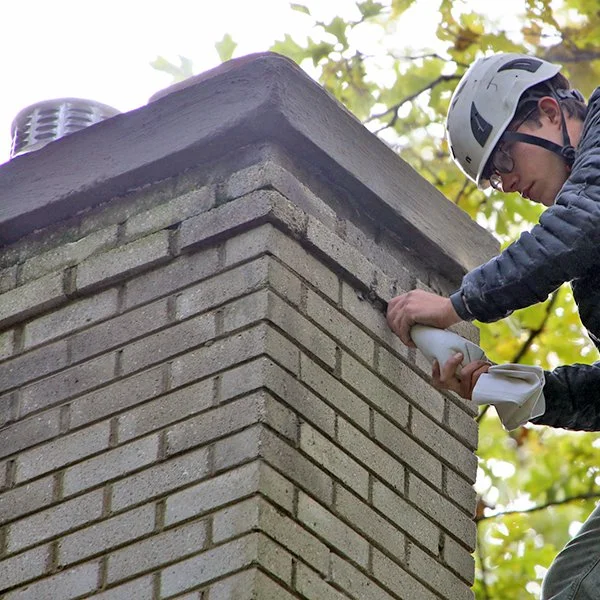
Creosote Removal & Draft Optimization is not just fancy words. It’s simple stuff that keeps smoke going up and out, not back into your living room. In Seattle homes, fireplaces and gas inserts get heavy use during wet cold months. When wood burns, sticky black creosote coats the inside of chimney walls. Over time, that stuff thickens like syrup and blocks airflow.
Draft optimization is about fixing air movement. When draft is weak, smoke rolls back down, smells stick in the house, and carbon gases hang around. I seen homes in Ballard where folks thought their gas insert was broken. Turns out, creosote buildup was choking the flue.
One customer near Green Lake Park told me every fire made their eyes burn. After cleaning and adjusting airflow, smoke stopped backing up. House felt warmer too because heat wasn’t escaping wrong ways.
The EPA guide on wood smoke and fireplace air flow safety (https://www.epa.gov/burnwise) shows that poor draft and creosote buildup increases indoor pollution and fire risk.
Why Seattle Chimneys Build Creosote Faster
Seattle weather don’t help chimneys. Rain, fog, cold nights, and wet firewood all push creosote buildup faster.
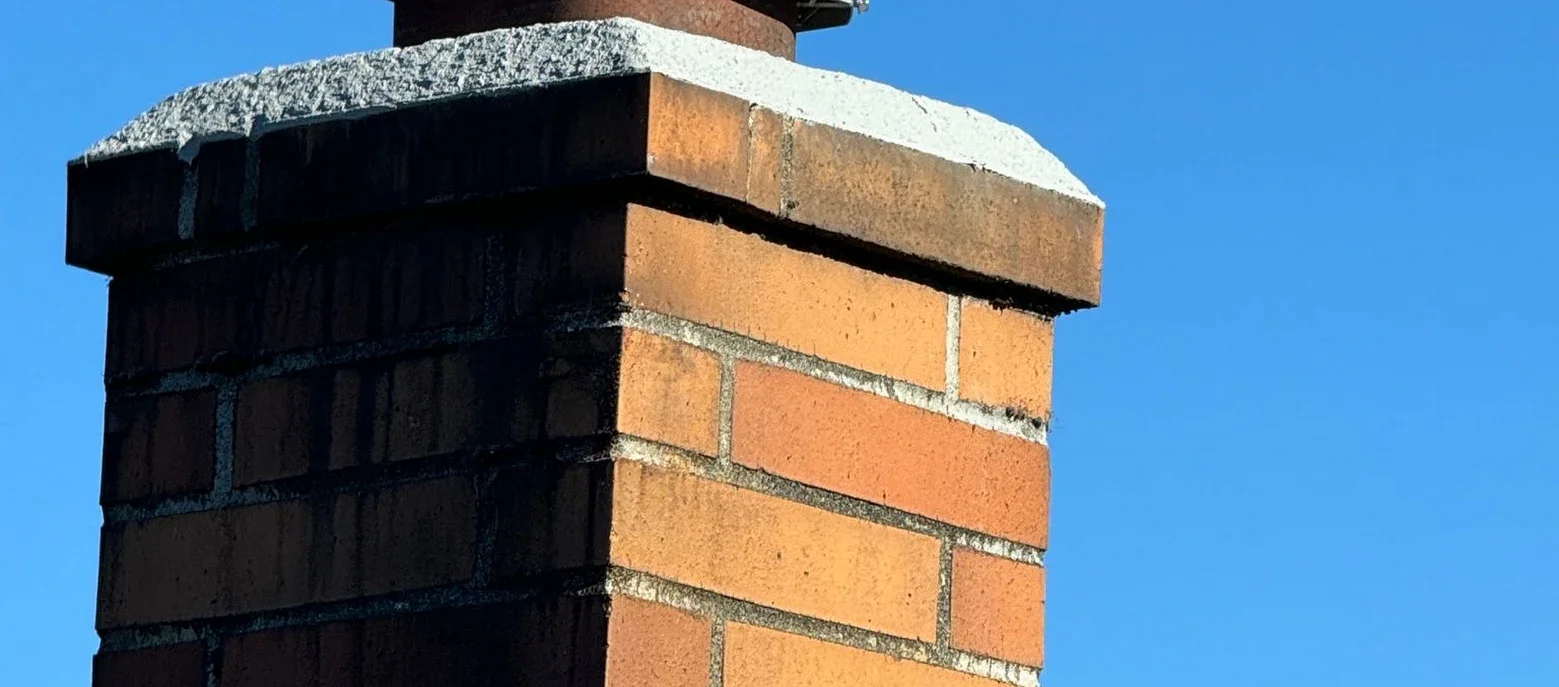
Moist air slows chimney draft. When warm smoke hits cold damp chimney walls, creosote sticks harder. Homes near Puget Sound and Magnolia Bluff get extra moisture air, making buildup worse.
I worked on a Queen Anne home where the owner burned wood almost every night in winter. Chimney walls were coated thick and shiny black. Draft was weak and smoke smell filled upstairs bedrooms.
Seattle homes also use gas fireplaces mixed with older masonry chimneys. If chimney liners are damaged or unsealed, draft problems stack up fast.
The City of Seattle air quality fireplace safety page talks about chimney smoke issues and indoor pollution during winter burn seasons.

Real Customer Stories From Seattle Neighborhoods
One cold December morning, I visited a home in West Seattle Junction. Family said smoke alarms kept chirping during fires. After inspection, we found heavy creosote flakes blocking airflow. Cleaned chimney, adjusted damper position, and fixed liner gap. Smoke stopped pouring inside.
Another job in Capitol Hill involved a rental unit. Tenant complained heater smell was sharp and dusty. Turned out gas fireplace exhaust wasn’t drafting clean due to buildup. After removal and airflow tuning, landlord called back saying energy bills dropped and tenants felt warmer.
In Beacon Hill, an older brick chimney had cracks pulling cold air inside. That reversed airflow sometimes. Masonry repair and draft cap installation fixed the problem.
These stories repeat all over Seattle. Draft issues hide until someone smells smoke or sees soot on walls.

Seasonal Fireplace Problems in Seattle Weather
Winter Problems
Seattle winters bring rain and cold nights. Chimneys cool fast and draft slows down. Creosote sticks faster and smoke gets lazy moving upward.
One January job near Northgate Mall had snow melt dripping into chimney crown. Water mixed with soot creating thick sludge inside flue. Removal was messy but airflow improved big time.
Fall Problems
Fall is fireplace startup season. Many homes haven’t cleaned chimneys all summer. First fire pushes old creosote loose, blocking airflow.
Home in University District called after first fire set off smoke alarms. Simple cleaning solved it.
Spring Problems
Spring rain leaks cause chimney liners to rust and draft drops. Wet chimneys stink and trap odors.
Summer Problems
Summer birds and debris block flues. I found a nest inside chimney near Discovery Park blocking airflow completely.
Chimney Sweep Services and How It Connects to Draft Flow
Chimney Sweep services go hand-in-hand with Creosote Removal & Draft Optimization. Sweeping removes loose debris, soot, and flakes. But real draft improvement needs deeper creosote removal too.
Basic sweeping alone doesn’t always fix airflow. Thick glazed creosote needs special tools and treatments.
One customer in Rainier Valley thought yearly sweep was enough. But draft still weak. We found hardened buildup behind damper area. After deeper cleaning, smoke cleared fast.
The Chimney Safety Institute of America explains how regular sweeping helps prevent chimney fires and airflow problems.
Sweep work also spots blockages, cracked liners, and damper problems early.
Masonry Contractor Work and Chimney Air Movement
Masonry damage kills draft fast. Cracked bricks let cold air rush inside flue. Loose mortar lets moisture soak chimney walls.
In Fremont, a home had draft reversing during windy nights. Chimney bricks were falling apart. After masonry repair and crown sealing, airflow stabilized.
Masonry Contractor work fixes:
Chimney crown cracks
Brick gaps
Mortar erosion
Chimney leaning issues
These repairs help chimneys hold heat inside flue, making smoke rise easier.
Older Seattle homes near Wallingford and Madrona often need this kind of repair.
How Chimney 360 Services Handles Creosote and Draft Issues
At Chimney 360 Services, we treat chimneys like airflow systems, not just pipes.
Here’s how we handle it:
Inspection
We inspect flue, liner, damper, cap, and masonry. Cameras help find hidden blockages.
Creosote Removal
We remove flaky and hardened creosote using professional brushes and rotary tools. Sticky buildup gets chemical treatment when needed.
Draft Testing
We test smoke movement and airflow pressure. Adjust damper settings and airflow gaps.
Vent Cap Setup
Caps stop rain and animals while improving draft pull.
Final Check
We burn test after cleaning to confirm smoke exits clean.
Our NAP stays simple:
Chimney 360 Services
Seattle
(206) 618-2443
Website: https://www.chimney360services.com/
We serve areas like:
Ballard, Queen Anne, Capitol Hill, West Seattle, Beacon Hill, Fremont, Magnolia, Green Lake, Northgate, University District.
AREAS WE SERVE (MAP)
FAQs
-
Most Seattle homes need it once a year. Heavy fireplace users may need twice yearly cleanings due to moisture and cold weather buildup.
-
Yes. Weak draft lets smoke roll back into rooms, causing smells, eye burn, and dirty walls.
-
Yes. Rain cools chimneys fast and slows airflow. Wet chimneys trap creosote faster.
-
Yes. It’s flammable and can cause chimney fires if ignored too long.
-
Yes. Gas units still vent exhaust and can suffer airflow problems when chimneys clog.
-
Older areas like Queen Anne, Capitol Hill, Fremont, and Beacon Hill often need airflow fixes.
