
Historic Chimney Restoration – Seattle by a Local Masonry Contractor
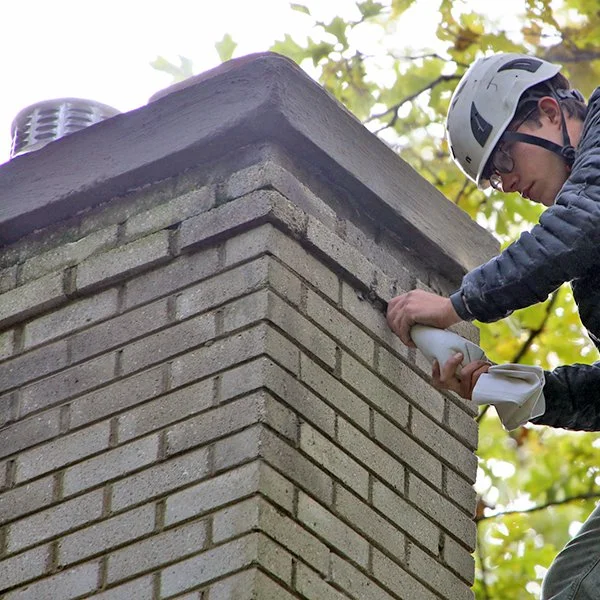
What Historic Chimney Restoration Means in Seattle
Historic chimney restoration in Seattle is not the same as fixing a newer chimney. These old chimneys were built when Seattle was still growing muddy streets and wooden sidewalks. The bricks are softer. The mortar is weaker. The designs are different. When people hear “restoration,” they think polish. What it really means is careful repair that keeps the chimney looking old while making it safe again.
I’ve worked on chimneys in Seattle homes built before cars were common. Some date back to the early 1900s in Queen Anne and Capitol Hill. Historic chimney restoration means saving what can be saved. We don’t rip things out unless there’s no choice. Each brick has a job. Each joint tells a story.
One homeowner near Volunteer Park told me their chimney was “part of the house’s face.” That stuck with me. Historic chimney restoration keeps that face from crumbling while still letting it look its age.
Seattle values history. Chimneys sit tall above roofs and show it off. Restoring them right keeps neighborhoods looking like Seattle, not like copy-paste houses.
Why Old Seattle Chimneys Fail Over Time
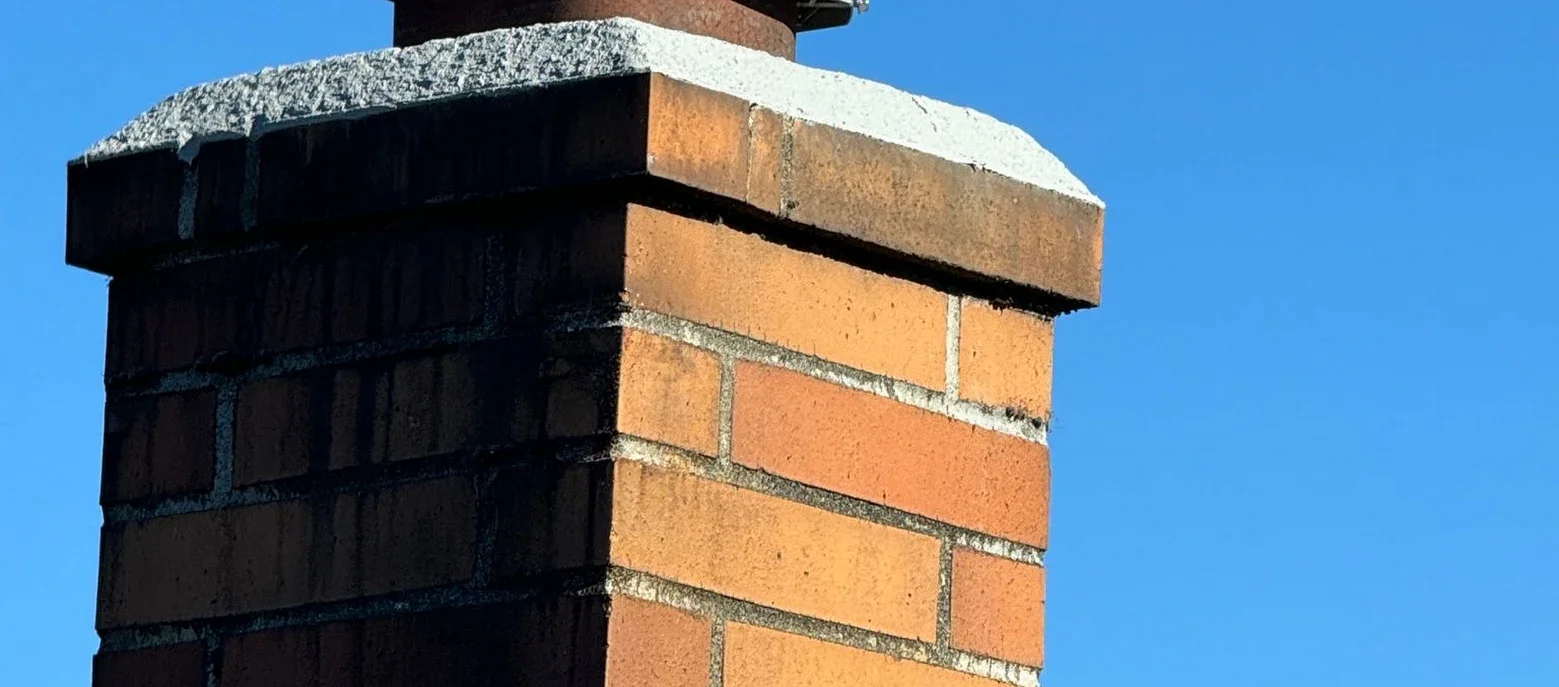
Historic chimneys fail slowly, then all at once. Old mortar turns soft like sand. Bricks soak water. Over decades, tiny cracks spread. Seattle rain speeds it up.
Many older chimneys were built without liners. Smoke and heat hit brick directly. Over time, that heat weakens joints. I’ve pulled bricks out by hand in homes near Wallingford because the mortar was gone.
Tree growth plays a role too. Roots and vines climb chimneys in older neighborhoods like Ravenna. They push into joints and break them open.
Another issue is past repairs. I’ve seen hard cement slapped onto soft brick. That traps moisture and causes bricks to crack. Historic chimney restoration fixes those bad choices without changing the chimney’s look.
Time wins if chimneys are ignored. Restoration slows that clock way down.
How Seattle Weather Impacts Historic Chimneys
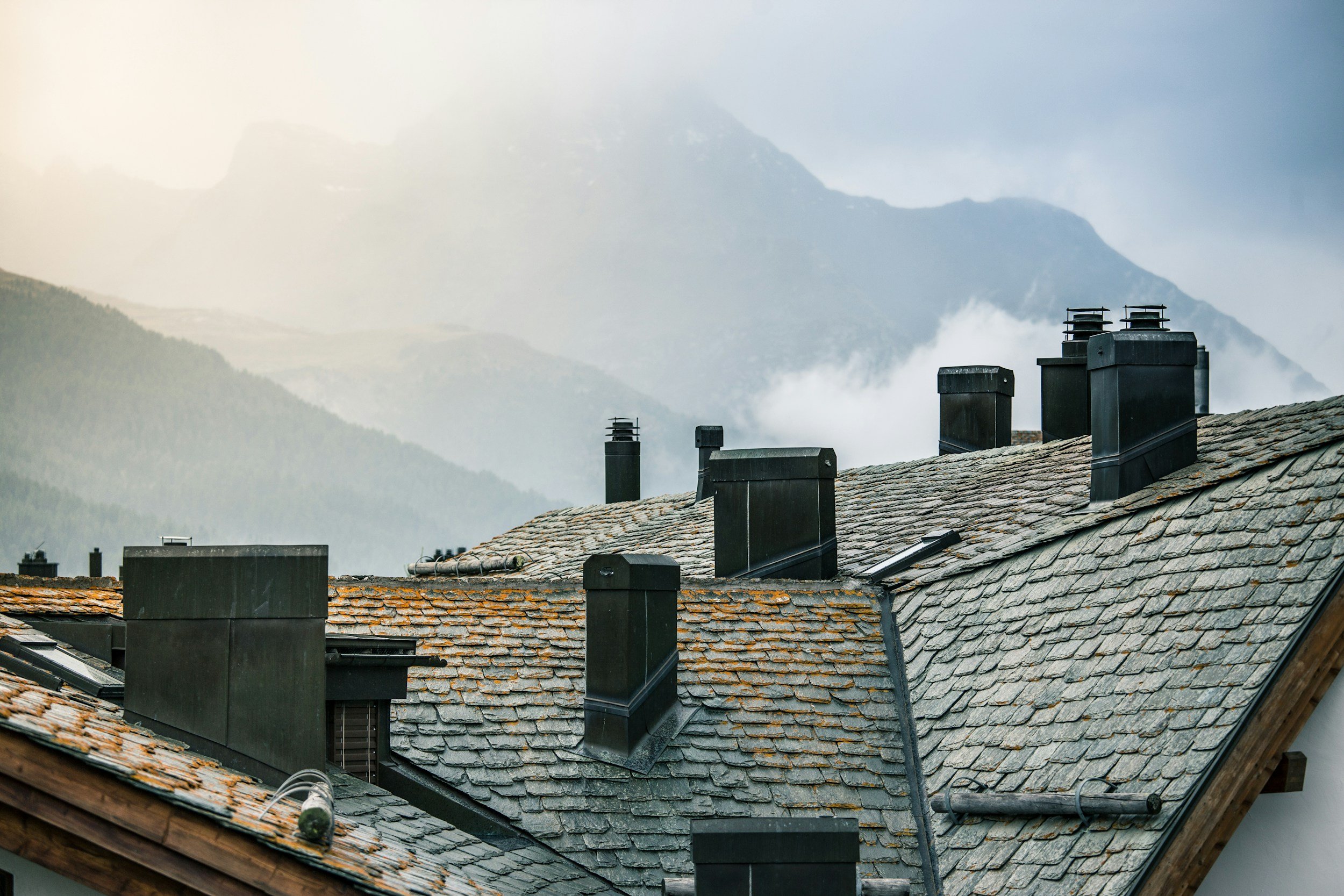
Seattle weather is gentle and rough at the same time. Rain falls often. Air stays damp. Bricks rarely dry fully. Historic chimneys hate staying wet.
Freeze nights hit in winter. Water inside bricks freezes and expands. Small cracks grow. When it thaws, water sinks deeper. It’s like bending a paperclip back and forth until it snaps.
Wind matters too. Homes near Puget Sound or on hills like Magnolia get sideways rain. That rain hits chimneys hard.
I worked on a historic chimney near Green Lake where rain only leaked during wind storms. Calm rain caused no trouble. Wind-driven rain found gaps. Restoration sealed them without changing the brick look.
Seattle weather never rests. Historic chimney restoration helps chimneys survive it year after year.
What We Find Inside Historic Chimneys Across Seattle
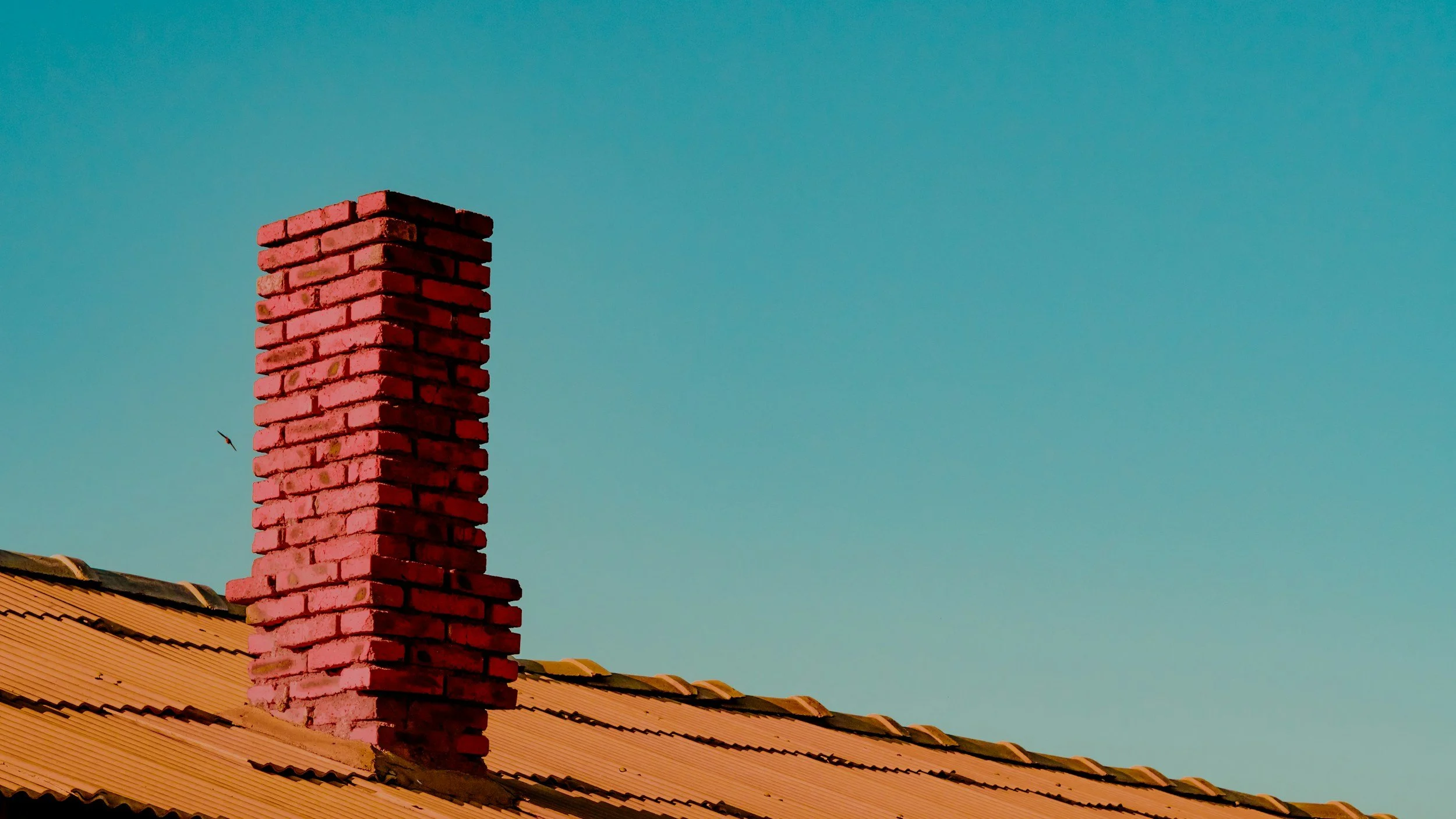
Looking inside historic chimneys feels like opening a time capsule. Old soot layers. Hand-set bricks. Mortar mixed on site a century ago.
In Ballard, I found a smoke shelf packed with debris from decades of fires. Bricks had shifted but held on. Restoration locked them back in place.
In Beacon Hill, a chimney had gaps you could see daylight through. That’s heat loss and fire risk. Restoration closed those gaps using materials that matched the original work.
We also find surprises. Old dampers. Hidden cracks. Sometimes animal nests. Each chimney has its own mess.
Historic chimney restoration is part repair, part cleanup, part respect for old work.
Real Historic Chimney Restoration Stories From Seattle Neighborhoods
A homeowner in Queen Anne called us after bricks started falling into their yard. The chimney dated to 1912. We rebuilt weak sections using salvaged brick that matched color and size. When done, neighbors couldn’t tell anything changed.
Near Pike Place Market, a small historic building had a chimney leaning just a bit. Years of water damage caused it. Restoration straightened and reinforced it without changing its look.
I remember a craftsman home near Fremont where the owner cried when we finished. The chimney looked the same as old photos they had. That’s the goal of historic chimney restoration.
Seattle homes carry memories. Chimneys stand guard over them. Restoring them keeps those memories safe.
Seasonal Problems We See With Historic Chimneys
Fall Rain Damage
Fall rain soaks old mortar fast. Gaps show up. Bricks loosen. Restoration before winter helps a lot.
Winter Freeze Cracks
Wet bricks freeze. Cracks widen. Chimneys weaken. Historic restoration seals joints before this gets bad.
Spring Moisture Push
Spring warmth pushes trapped water inward. Stains appear inside homes. Restoration stops moisture travel.
Summer Dry Shrinkage
Dry months shrink old mortar. Tiny cracks spread. Summer repairs set better in dry air.
Seattle seasons keep historic chimneys under pressure all year.
Historic Chimney Restoration and Fire Safety
Historic chimneys weren’t built for modern use. Fire safety standards were different. Gaps inside chimneys let heat reach framing.
I’ve seen scorched wood near old chimneys in Capitol Hill homes. The owners had no idea. Restoration sealed gaps and lowered risk.
Loose bricks can fall and block flues. That traps smoke inside. Restoration locks bricks in place and clears paths.
Fire safety matters even when chimneys look fine outside. Historic chimney restoration protects homes without changing their charm.
For local fire safety info, see Seattle Fire Department home safety guidance.
Historic Chimney Restoration and Chimney Sweep Work Chimney Sweep Connection
Chimney Sweep Connection
Chimney sweeps often spot early signs of damage in historic chimneys. Soft mortar, shifting bricks, heavy soot buildup.
Sweeps tell homeowners when cleaning isn’t enough. Historic chimney restoration fixes the structure so sweeps can do their job better.
Restored chimneys collect less soot and draft better. That means fewer smoke problems and easier cleaning later.
Historic chimney restoration and chimney sweep work support each other in old Seattle homes.
How Insulation Contractor Work Ties Into Historic Chimneys
Insulation Contractor Role
Historic chimneys often leak air and moisture into attics. Insulation contractors find cold spots and wet insulation near chimneys.
I’ve seen insulation ruined near old chimneys in Rainier Valley homes. Moisture came through cracked masonry.
Restoration seals those leaks before new insulation goes in. That keeps homes warmer and dryer.
Seattle homes rely on insulation to fight damp cold. Historic chimney restoration helps insulation actually work.
For indoor air and moisture info, see EPA indoor air quality and moisture guidance.
Choosing a Masonry Contractor for Historic Chimney Restoration – Seattle
Historic work needs patience. Rushing ruins old brick. Local masonry contractors know Seattle’s historic styles and materials.
I’ve seen bad repairs where modern brick clashed with old homes. It sticks out like a bad patch. We avoid that.
Chimney 360 Services works across Seattle neighborhoods like Queen Anne, Capitol Hill, Ballard, Fremont, and near landmarks like Green Lake and Gas Works Park.
We match mortar, brick size, and color. We keep chimneys looking old while making them safe.
Call (206) 618-2443 to talk about historic chimney restoration in Seattle.
For Seattle building preservation info, see City of Seattle historic preservation resources.
NAP
Chimney 360 Services
Seattle
(206) 618-2443
Website: https://www.chimney360services.com/
FAQs
-
Many Seattle chimneys built before the 1940s use older brick and mortar that need special care.
-
Yes. Proper restoration makes it safer while keeping the old look.
-
Often yes. Old mortar and brick soak water faster than newer materials.
-
The goal is to keep it looking the same, just stronger and safer.
-
Usually 1–2 hours, depending on chimney size, age, and any blockages in Seattle homes.
-
Many projects take several days, depending on damage and weather.
-
Yes. Unused chimneys still leak, shift, and cause damage if ignored.
