
Gas Fireplace Installation Inspection in Seattle, Washington
Why Gas Fireplace Installation Inspection Matters in Seattle
Seattle gets wet. Like, rain-on-your-hoodie, shoes-never-dry kind of wet. That moisture sneaks into chimneys, vents, and gas lines. Over time, parts rust, seals crack, and airflow gets weak. That’s why Gas Fireplace Installation Inspection is a big deal here.
I remember one rainy fall day in Ballard. A family called saying their gas fireplace smelled “weird.” Not strong gas smell, just odd. We showed up and saw water had dripped down the vent pipe. It caused rust flakes to block part of the exhaust. If they kept using it, smoke and fumes could have pushed back inside. We fixed it fast, and they slept better that night.
Seattle also has building rules for gas appliances. The City of Seattle posts safety info for gas and vent systems on their site. That stuff matters when you sell a home or pull permits.
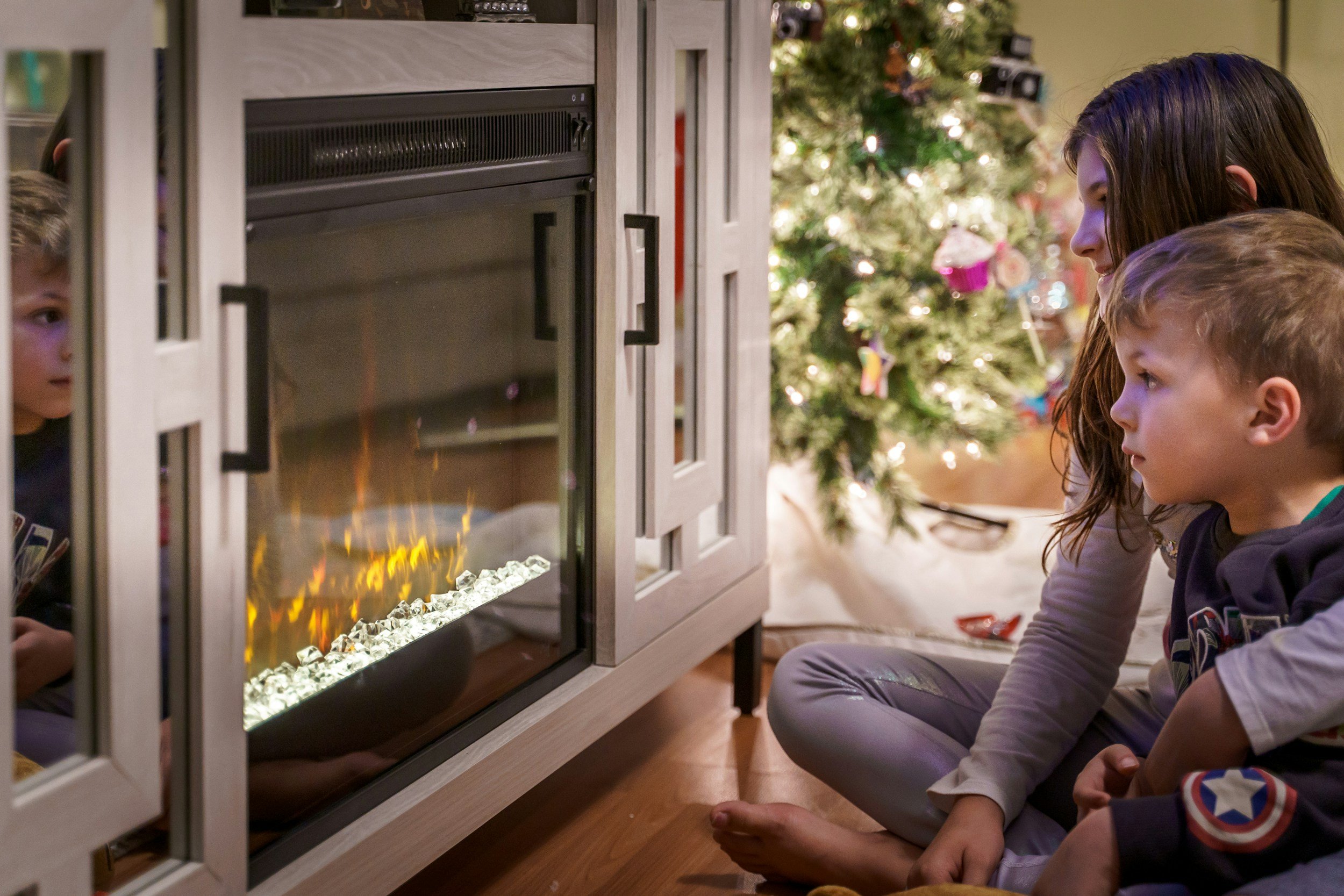
Gas fireplaces feel simple. Flip a switch, warm room. But inside that metal box is fire, gas pressure, air flow, and heat. An inspection checks all that so nothing bad sneaks up on you.
And yeah, I’ll say it straight. Many homes in Capitol Hill, Queen Anne, and West Seattle still run older units from the 90s or early 2000s. Those units can work fine, but only if someone looks at them once in a while.
How Our Gas Fireplace Installation Inspection Process Works
Here’s how we do it at Chimney 360 Services in Seattle. No fancy words. Just clear steps.
Step 1: Talk and Listen
We ask how the fireplace acts. Smells? Noises? Weak heat? Flickering flame? You’d be surprised how much info comes from simple talk.
Step 2: Visual Check
We look at the unit, vent, cap, gas line, wall area, and trim. We spot rust, loose parts, soot, and water stains. In West Seattle homes near the water, salt air can speed rust.
Step 4: Vent and Draft Check
We test airflow. We make sure smoke and exhaust go up and out. Seattle wind patterns near the Sound can cause downdrafts. We look for that.
Step 3: System Test
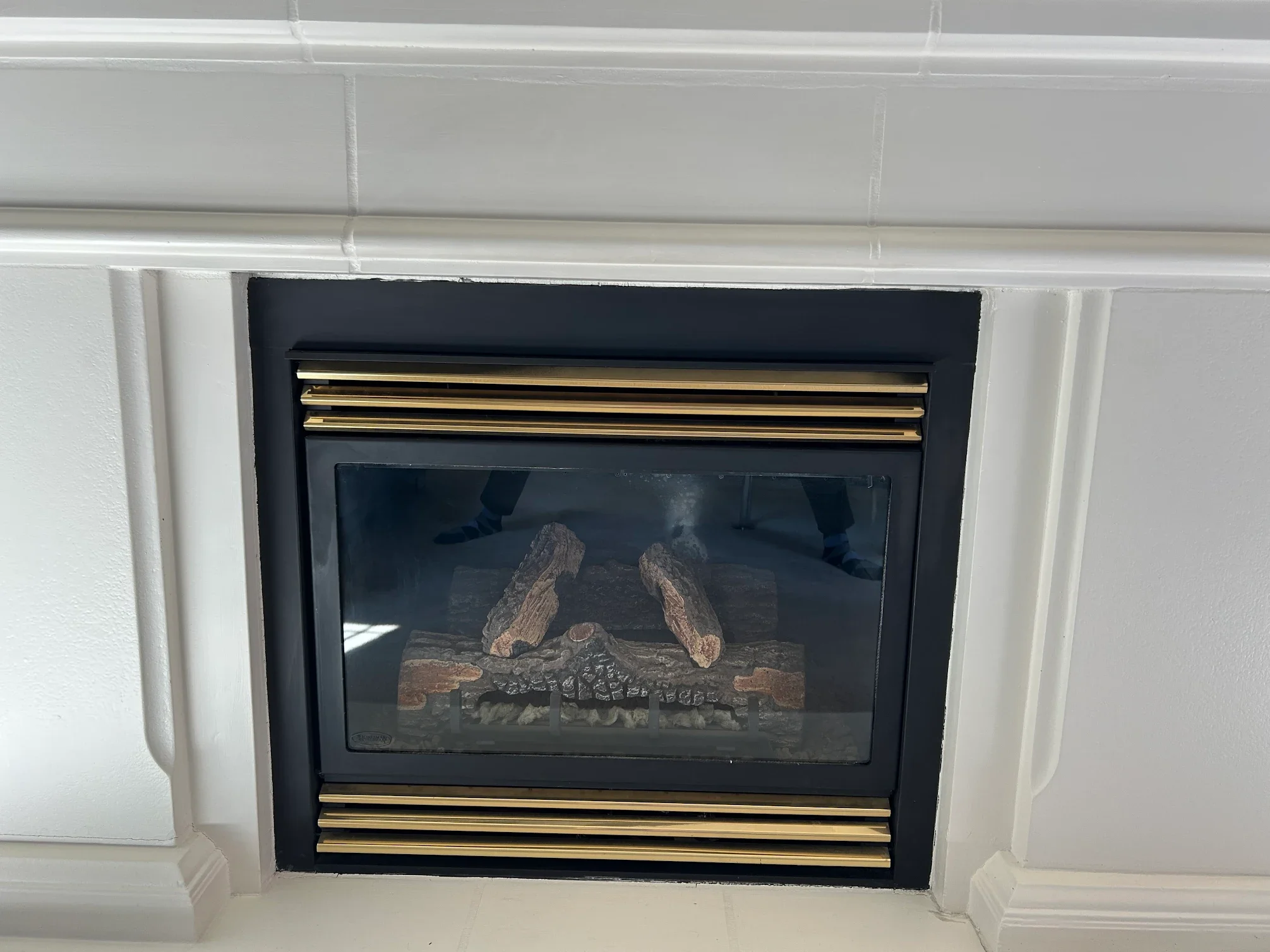
We light it up. We test the ignition. We watch flame color. Blue is good. Yellow tips can mean dirt or airflow issues. We also check shut-off systems.
Step 5: Small Fixes and Advice
If it’s minor like cleaning sensors or tightening fittings, we handle it. If bigger repair is needed, we explain it in simple words. No pressure talk.
After all that, we share what we found. You get clear info.
What a Gas Fireplace Installation Inspection Really Is
Some folks think inspection means we just “look at it.” Nope. A real Gas Fireplace Installation Inspection checks many small parts that work together.
We look at the gas line. We test for tiny leaks. Even small leaks waste money and can cause safety problems.
We check the vent pipe. In Seattle homes near Green Lake or Fremont, trees drop leaves that sneak into vent caps. Birds try to build nests. I’ve pulled out twigs, moss, and even a plastic grocery bag once. All that blocks airflow.
We test the ignition system. That little spark or pilot flame needs to light fast and burn steady. Weak flames mean poor burn and dirty exhaust.
We also check clearances. That means space between the fireplace and walls, wood trim, or shelves. I once saw a TV mounted way too close above a unit near Pike Place Market. Heat damage had already started.
We follow safety steps shared by groups like the U.S. Consumer Product Safety Commission about gas appliance safety. Carbon monoxide risks are real. The EPA also talks about indoor air safety from fuel appliances.
Inspection is not fancy. It’s simple work done slow and careful.
Local Stories From Seattle Homes and Small Shops
Let me tell you about a small coffee shop near Alki Beach. They had a gas fireplace for winter vibes. Customers loved sitting near it. One morning, the owner said the flame looked tall and noisy. During inspection, we saw the burner ports were partly clogged with dust and pet hair. Yep, dogs came in a lot. We cleaned it, fixed airflow, and flame went back to calm blue.
Another one was a townhouse in Capitol Hill. The owner just moved in. During inspection, we found the vent pipe had a loose joint hidden behind drywall. It leaked exhaust into the wall space. You could not smell it yet. But overtime, it could have caused mold and air issues. That repair saved them future trouble.
In Queen Anne, an older couple told me their gas fireplace kept shutting off. Turns out the safety sensor was dirty. A quick clean fixed it. They made me cookies after. Best part of the job sometimes.
Gas Fireplace Installation Inspection is not about fear. It’s about small fixes before big trouble.
Chimney Sweep Services and How They Support Gas Fireplace Safety
Our GBP secondary category includes Chimney Sweep, and yes, that matters even with gas fireplaces.
Many gas fireplaces still use chimney liners or vent pipes that collect dust, rust flakes, and moisture dirt. Sweeping clears that path.
One time near Green Lake, a homeowner said, “It’s gas, why sweep?” We opened the vent and found flaky rust buildup that slowed exhaust. After cleaning, airflow got better and flame burned cleaner.
Chimney sweeping also helps spot cracks and loose joints. That helps gas fireplace inspection work better. It’s like brushing teeth before seeing the dentist. Simple but helpful.
Our other GBP category is Masonry Contractor. This comes into play with gas fireplaces that sit inside brick or stone chimneys.
In older Seattle homes around Wallingford and Beacon Hill, the brick around fireplaces can crack from moisture and freeze cycles. Those cracks let water inside. Water leads to rust on metal parts and weak structure.
During inspections, we often spot loose bricks, crumbling mortar, or gaps near flashing. Fixing masonry helps protect the gas unit. One job near Ravenna Park had water dripping down the firebox because the crown was cracked. After masonry repair, the gas fireplace worked better and stayed dry.
So yeah, gas and brick work go hand in hand.
Masonry Contractor Work and Why It Ties Into Fireplace Inspections
Seattle Seasons, Weather, and Gas Fireplace Problems
Seattle weather changes how fireplaces act.
Fall
Leaves drop. Rain starts. Vent caps clog. We get lots of calls in October from people firing up units after summer break. Dust burns off and smells show up.
Winter
Heavy use time. Gas fireplaces run daily. Sensors get dirty faster. Moisture in the air mixes with exhaust and can cause vent rust.
Spring
Mold and moisture issues show up. We often find water stains inside fireboxes from winter rain leaks.
Summer
Most folks forget about fireplaces. This is the best time for inspection. Dry weather makes vent work easier. Booking is faster too.
I tell Seattle homeowners this all the time. Don’t wait until first cold night. That’s when problems pop up.
Cost, Timing, and What Homeowners Can Expect
People always ask about price. For Gas Fireplace Installation Inspection in Seattle, most jobs fall in a fair range based on unit type and access. Apartments are faster. Big custom homes take longer.
Time wise, inspections usually take about 45 minutes to 1 hour. If we clean parts or sweep vents, add more time.
What you get:
Visual and system check
Vent and airflow check
Gas line look-over
Safety review
Simple advice
We don’t rush. We don’t upsell stuff you don’t need. That’s how we keep customers calling back.
How to Book With Chimney 360 Services in Seattle
If you live in Seattle and need Gas Fireplace Installation Inspection, call us.
NAP Info:
Chimney 360 Services
Seattle, WA
Phone: (206) 618-2443
Website: https://www.chimney360services.com/
We serve Ballard, Fremont, Capitol Hill, Queen Anne, West Seattle, Beacon Hill, Green Lake, and nearby areas. We’ve worked near the Space Needle, Pike Place Market, and even small shops tucked into side streets.
One last story. A family near Magnolia called before hosting Thanksgiving. Fireplace wasn’t lighting. During inspection, we found the gas valve was half closed from a past repair. Five-minute fix. That night they had turkey, warm room, and happy kids on the rug.
That’s why this job feels good. Small work, big comfort.
AREAS OF SERVICE
FAQs
-
Once a year works best. Seattle rain and moisture can cause rust and vent issues. Yearly checks help spot small problems early.
-
Yes, many still use vent pipes or liners. Dust and rust can build up. Cleaning helps airflow and keeps exhaust moving out.
-
You can, but if it smells odd, makes noise, or shuts off, stop using it and call a pro. Safety comes first.
-
Most take about 45 minutes to 1 hour. Big homes or tight spaces may take longer.
-
Yes. Seattle rain can leak into vents or chimneys. That water causes rust and blockages over time.
-
Yes. It helps spot vent, gas line, and safety issues before move-in. It also helps with peace of mind.
