

Air Filter Replacement in Seattle
Breathe cleaner air. Live healthier.
Why Air Filter Replacement Matters in Seattle Homes
Living in Seattle means a lot of indoor time. Rain, cold nights, cloudy weeks… windows stay shut more than open. That means your air filter works nonstop, catching dust and tiny bits floating around your home.
But here’s the simple truth: filters don’t last forever.
When they get full, air slows down. Your heater or AC works harder. Rooms start feeling uneven. Some people think it’s the system breaking, but often it’s just a clogged filter.
I had a job near Pike Place Market where the homeowner kept saying, “My house feels heavy.” We checked the filter, and it was packed solid like a gray wall. After replacing it, the air felt lighter right away. Simple fix.
For more on how indoor air affects health, check this EPA guide on indoor air quality for Seattle homes.
5 Star Company
✳︎
Air duct cleaning
✳︎
Beat any price
✳︎
5 Star Company ✳︎ Air duct cleaning ✳︎ Beat any price ✳︎
How Dirty Air Filters Change the Air You Breathe
Air filters are like the lungs of your home. When they get dirty, everything feels off.
Dust starts floating back into rooms. Allergies get worse. Even smells stick around longer.
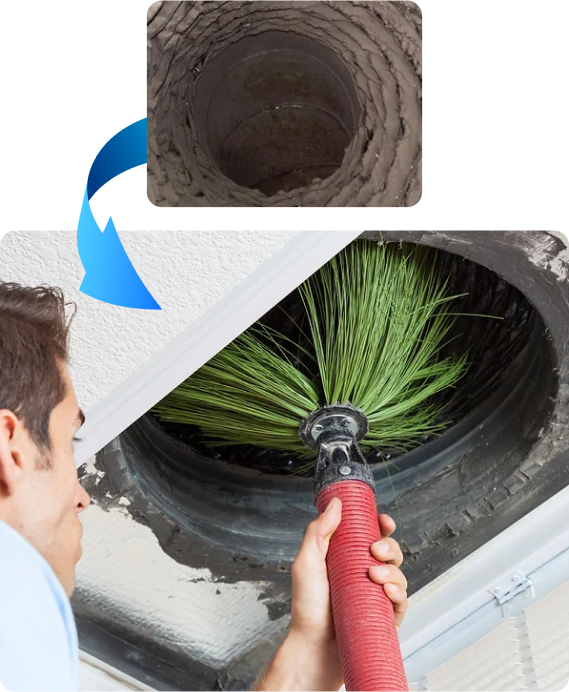
I remember a home in Ballard where the owner kept wiping tables every morning. Dust kept coming back fast. The filter hadn’t been changed in over a year. It was so clogged, air was barely passing through.
Here’s what a dirty filter can do:
Make air feel stale
Push dust back into rooms
Stress your HVAC system
Raise energy use
Spread allergens
In older homes around Capitol Hill, filters often get ignored because systems are tucked away. Out of sight, out of mind.
This Seattle air quality resource from Washington State shows why clean indoor air matters even more in damp climates.

Real Seattle Stories From Air Filter Replacement Jobs
Every home has a story, and filters are part of it more than people think.
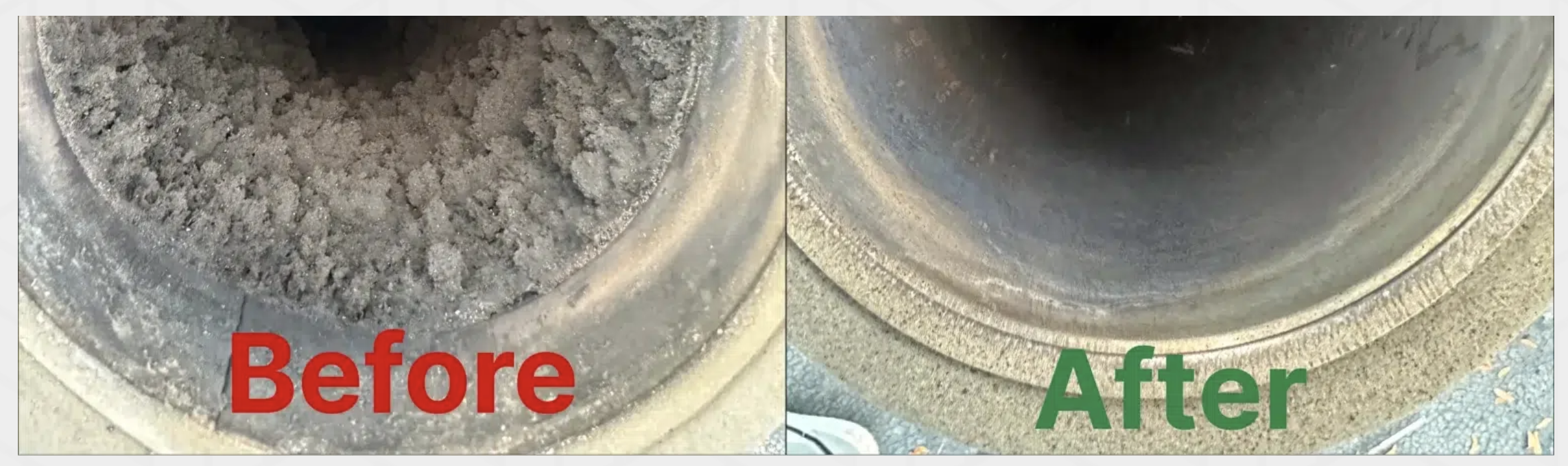
One time in Fremont, near the big troll statue, a family had constant sneezing problems. They thought it was pollen from outside. Nope. The filter was black with dust and pet hair. After replacing it, they called back saying the house felt “less itchy.”
Another job in West Seattle, close to the water, had a strange smell when heat turned on. Turned out the filter was so clogged it started holding moisture. That smell was trapped air and dust mixing together.
Then there was a small condo in South Lake Union. New building, but still dirty filters. Construction dust had filled them up fast. The owner thought the system was broken. It wasn’t. Just needed a fresh filter.
And I still remember a rainy morning in Queen Anne. I walked in, and the heater sounded like it was struggling. Filter was folded and packed tight. After replacing it, the system sounded calm again.
These jobs are simple, but they change how a home feels.
Seasonal Changes in Seattle That Clog Filters Faster
Seattle weather changes how fast filters fill up.
Winter is heavy use season. Heat runs all day. Air keeps cycling through the filter again and again. Dust builds up fast.
Spring brings pollen. Even with windows closed, tiny particles get inside and stick to filters.
Summer is lighter, but people notice airflow issues more because systems finally slow down.
Fall brings damp air and leaves outside. That moisture can carry extra dust inside.
Homes near Rainier Valley or Beacon Hill often deal with more moisture in the air, which makes filters load up faster.
I always tell folks here, check filters more often than you think. Sometimes every 1–3 months depending on pets and usage.
The CDC guide on indoor air and home ventilation explains how airflow and filtration work together in homes like these.
What Happens During an Air Filter Replacement Visit
Air Filter Replacement sounds simple, and most of the time it is. But doing it right matters.
At Chimney 360 Services, we don’t just swap and leave.
We check the system first. Look at airflow, filter size, and condition. Some homes use the wrong filter size for years without knowing.
Then we remove the old filter. Sometimes it falls apart right in your hand. That’s how clogged it gets.
We install a clean filter that fits right. No gaps. No loose edges.
I remember a job in Beacon Hill where the homeowner had been using a filter that didn’t even match the slot. Air was bypassing it completely. After fixing it, dust levels dropped a lot in just a week.
We also explain how often to replace it. Every home is different. Pets, cooking, kids… all change how fast filters fill up.
Simple job, but big impact.
Chimney Services and How They Connect to Indoor Air
Chimneys and air filters don’t connect physically, but they both affect indoor air quality.
At Chimney 360 Services, we’ve seen homes where chimney draft issues caused air movement problems inside the house. Smoke smells, pressure changes, weird airflow patterns.
In older Seattle homes, like in Queen Anne or near historic districts, fireplaces are still used often. If the chimney isn’t clean or flowing right, it can affect how air moves through the whole house.
A clean chimney helps balance airflow. And when air moves right, filters last longer and work better.
It’s all part of the same system, even if it doesn’t look like it.
Dryer Vent Services and Why They Still Matter
Dryer vents might seem separate, but they affect air quality too.
Lint builds up in vents over time. When airflow is blocked, moisture and heat stay trapped.
I had a job in Rainier Valley where the dryer was overheating. The vent was clogged tight. After cleaning it, airflow improved across the whole laundry area.
Now here’s the connection. When air moves poorly in one part of the house, it can change pressure inside the home. That affects HVAC airflow and filter performance.
During Air Filter Replacement, we often recommend checking dryer vents too. Keeps air moving smooth.
Frequently Asked Questions
-
Most homes need it every 1–3 months. Seattle homes with pets or heavy rain seasons may need more frequent changes.
-
Yes. A clogged filter stops trapping dust, so it gets pushed back into rooms and settles on furniture faster.
-
Yes. Fresh filters trap pollen, dust, and pet dander better, which can help reduce sneezing and irritation.
-
Airflow drops, energy use rises, and dust builds up inside the home. The HVAC system also works harder than normal.
-
Yes. Damp air, rain, and closed windows mean filters collect dust and particles faster than in dry climates.
-
Yes. If the filter doesn’t fit right, air bypasses it and dust spreads through the system instead of getting trapped.
Get a Free Quote Today
Looking for air duct cleaning near me or duct cleaning services you can trust? Call us now or fill out the form below — we'll get back to you within minutes.
📞 (206) 618-2443 📍 Serving Seattle