
Chimney Inspection After Gas System Repairs in Seattle, WA
Why Chimney Inspection After Gas System Repairs Matters in Seattle Homes
Seattle weather is wet, gray, and cold a big chunk of the year. That combo is rough on chimneys and gas vent systems. After gas system repairs, many homeowners think the job is done. But the chimney is the silent partner in that whole setup. If it’s off by even a little, smoke and gas fumes can push back inside the home. I’ve seen this happen in Ballard during rainy fall weeks when moisture mixes with soot and blocks airflow.
One family near Green Lake called us after their gas furnace was fixed by another company. The heat worked fine, but they kept smelling a faint exhaust odor. We did a Chimney Inspection After Gas System Repairs and found the liner was cracked and tilted. The gas tech fixed the unit, but nobody checked the chimney. Once we corrected the venting path, the smell was gone the same day.
Seattle homes are older in areas like Capitol Hill and Queen Anne. Old brick chimneys and new gas systems don’t always get along. That’s why Chimney Inspection After Gas System Repairs is not just a “nice thing to do.” It’s part of keeping homes safe and warm when winter storms roll in from Puget Sound.
Local rules also push for proper venting and safety checks. You can read more about Seattle gas appliance venting and safety rules from the City of Seattle construction guidance. Another good resource is the EPA gas appliance venting safety guide. These help homeowners learn what safe vent flow should look like.
What Happens During a Chimney Inspection After Gas System Repairs
Every Chimney Inspection After Gas System Repairs follows a clear path. It’s not guesswork. We go step by step and check the whole vent system from bottom to top.
Visual Check Inside the Home
We start near the gas appliance. That could be a furnace, boiler, water heater, or fireplace. We look at vent pipe angles, joints, rust spots, and loose fittings. In Rainier Valley homes, I often find pipes sagging because basements shift a little over time.
Chimney Interior Scan
Next comes the inside of the chimney. We use cameras and mirrors. We look for soot build up, bird nests, water stains, and liner damage. In West Seattle, after storms, rainwater often sneaks in and leaves muddy streaks that block airflow.
Draft and Airflow Testing
We test how air moves up the chimney. Gas systems need smooth upward pull. If air falls back down, that’s bad news. I remember a Fremont townhouse where the draft test showed slow movement. Turned out a metal liner was installed backwards during gas repairs.
Exterior Chimney Review
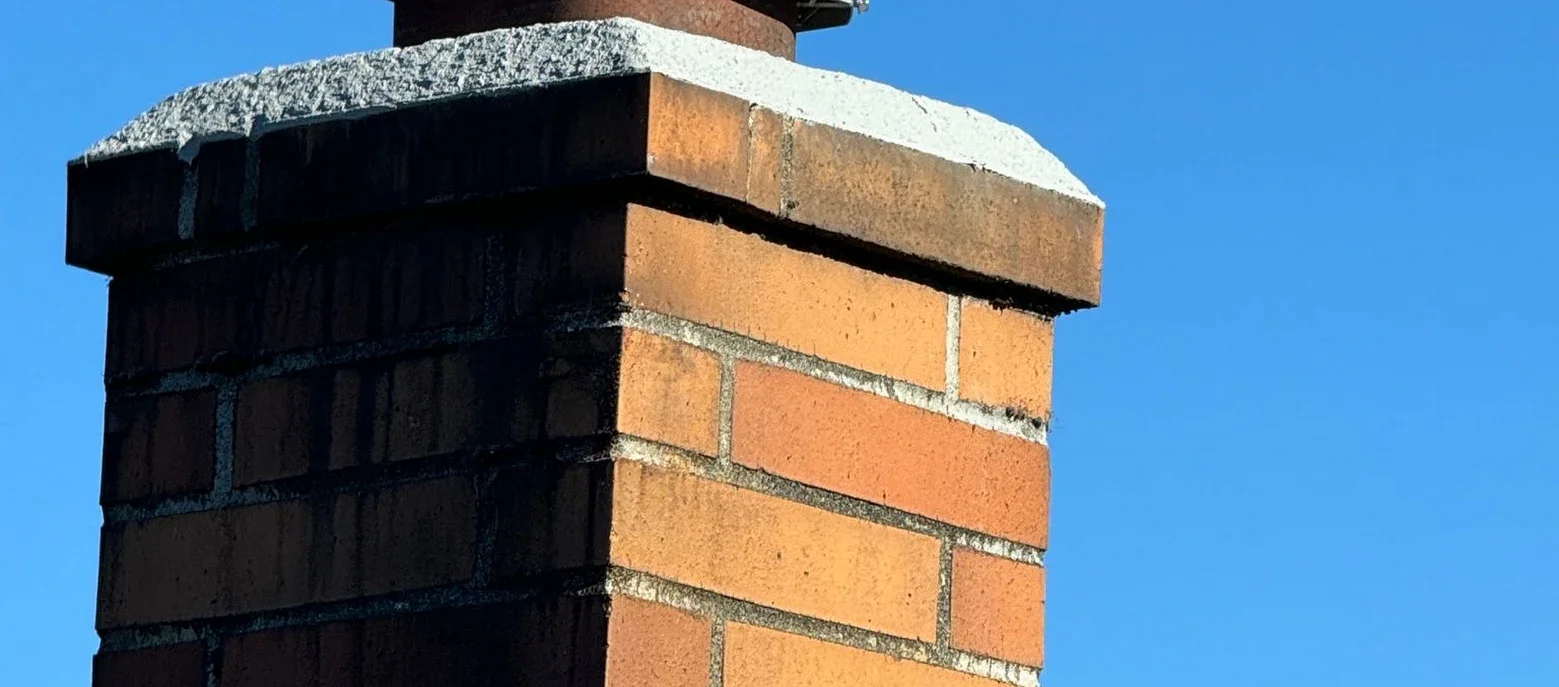
Outside, we check the cap, crown, flashing, and bricks. Moss and moisture love Seattle rooftops. That green stuff looks harmless but it traps water and weakens mortar.
Simple Report and Fix Plan
After the inspection, we explain what’s going on in plain words. No fancy talk. Just what’s wrong, what’s fine, and what to fix. Homeowners like that honesty.
Real Seattle Stories From the Field
One cold January morning near Pike Place Market, a landlord called about tenant complaints. Gas heaters were fixed the week before. Tenants felt dizzy and tired. That’s a red flag. During the Chimney Inspection After Gas System Repairs, we found the vent pipe was not sealed where it entered the chimney. Exhaust was leaking into the wall cavity. After sealing and adjusting the pipe, the building passed follow-up testing and tenants felt better within hours.
Another story from Magnolia stands out. A retired couple had a new gas fireplace installed. It looked nice but smoked up the living room. The installer skipped the chimney check. We inspected and found the old flue still had wood soot buildup. Gas exhaust mixed with old soot made sticky black residue. After cleaning and adjusting the liner, the fireplace burned clean.
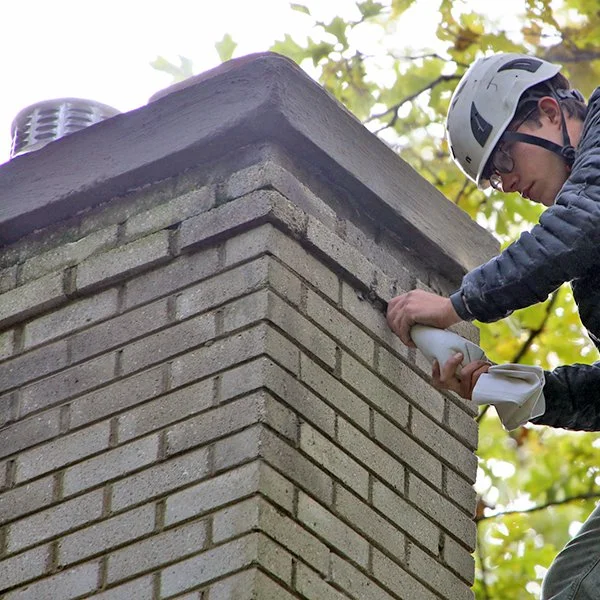
Sometimes it’s small stuff. In Beacon Hill, a homeowner had birds build a nest in the cap after gas water heater repairs. Chimney Inspection After Gas System Repairs caught it early. We removed the nest and added a better cap. Simple fix, big safety win.
These stories happen every month. Seattle homes are busy, packed close together, and built across many decades. Each one tells a little story through the chimney.
Chimney Sweep Services That Support Gas System Safety
As a Chimney Sweep service provider, Chimney 360 Services sees how soot, dust, and debris block gas exhaust. Gas burns cleaner than wood, but that doesn’t mean chimneys stay clean. Old soot from fireplaces sticks around for years.
After gas system repairs, a chimney sweep helps reset the system. We brush walls, vacuum loose debris, and clear the flue. In neighborhoods like University District where rental homes switch tenants often, sweep jobs help keep systems working smooth.
One landlord near UW told me tenants kept calling about odd smells. After sweeping and inspecting post gas repairs, airflow went back to normal. That landlord now books annual sweeps with us. He says it saves money and stress.
Chimney sweeping also helps spot early liner cracks. Catching small damage early beats dealing with full chimney rebuilds later.
Masonry Contractor Work and Chimney Stability After Gas Repairs
Our Masonry Contractor work plays a big role in Chimney Inspection After Gas System Repairs. Gas exhaust carries moisture. When moisture hits weak mortar joints, bricks soak it up like a sponge.
In older Seattle neighborhoods like Queen Anne and Wallingford, chimneys often lean slightly due to old foundations. During inspections, we check brick joints, crown cracks, and flashing gaps.
One home near Discovery Park had a chimney crown split wide open. Rain poured in and rusted the gas liner. After masonry repair and sealing, the chimney dried out and draft improved.
Masonry work keeps the chimney standing strong and dry. Dry chimneys vent gas better. Wet chimneys cause trouble fast. That’s the simple truth.
Neighborhoods, Landmarks, and Local Seattle Work Areas
Chimney 360 Services works all over Seattle. From Northgate to Georgetown, from Alki Beach to Lake City, we’ve climbed roofs in almost every zip code.
Near Space Needle condos, we often inspect modern metal vent systems. In older homes near Volunteer Park, brick chimneys are more common. Around Rainier Beach, moisture damage shows up more due to shaded yards and tall trees.
We also service homes near popular places like:
Green Lake Park
Pike Place Market area
Ballard Locks
Woodland Park Zoo
Each area has different chimney styles and vent layouts. That local experience helps spot problems faster.
For health and air safety info tied to gas exhaust, homeowners can also read Washington indoor air quality safety guidance. It explains how poor venting can impact breathing and comfort.
Call Chimney 360 Services for Chimney Inspection After Gas System Repairs
If your gas system was repaired, replaced, or upgraded, don’t stop there. Chimney Inspection After Gas System Repairs helps catch hidden problems early. Chimney 360 Services works daily across Seattle rooftops and basements.
NAP Info:
Chimney 360 Services
Seattle, WA
Phone: (206) 618-2443
Website: https://www.chimney360services.com/
We keep things simple. You call. We inspect. You get clear answers. No confusing talk. Just honest local service. I still remember my first Seattle winter job years ago. Cold rain, slippery roof, and steam coming out of a broken flue. Fixing that system made the family’s home warm again. That feeling never gets old.
FAQs
-
Rain, cold air, and old chimneys can block vent flow. An inspection finds leaks, soot, or bad draft before fumes enter the home.
-
Try to book within a week. Early checks stop small vent problems from turning into smoke or odor issues.
-
Yes. Gas fireplaces still vent through chimneys. We inspect liners, caps, and airflow for safe use.
-
Yes. Local codes want safe exhaust flow. Inspections help match vent setup with city safety rules.
-
We serve Ballard, Capitol Hill, Rainier Valley, West Seattle, Queen Anne, and nearby areas.
-
Yes. Nests and water block airflow. Inspections catch these problems fast.
