
Gas Fireplace Safety Inspection in Seattle, WA
Why Gas Fireplace Safety Inspection Matters in Seattle Homes
Seattle homes love fireplaces. I see it every winter. Queen Anne craftsman homes, Ballard bungalows, Rainier Valley townhouses, all of them light up that gas fireplace when the rain starts hitting sideways. A Gas Fireplace Safety Inspection keeps that warm glow from turning into a big headache. Gas lines age, burners clog, vents get blocked by leaves, bird nests, or just plain city grime. When that happens, smoke backs up, carbon monoxide creeps around, and weird smells start showing up.
One time in West Seattle, a family called because their living room smelled like burnt toast. It was not toast. The vent cap was half blocked with moss and soggy leaves. That fireplace was trying to breathe through a straw. After cleaning and tuning, the flame went blue again, quiet and steady, like it should be.
Seattle weather makes this service even more needed. We get wet months, long damp seasons, and wind storms near Green Lake, Capitol Hill, and Beacon Hill. Moisture and wind push debris into vents. Metal parts rust faster here than dry states. Gas Fireplace Safety Inspection spots small issues before they grow teeth.
If you want local safety info, check Seattle gas appliance safety guidance from the Seattle Fire Department. It talks about carbon monoxide alarms and safe fuel use around fireplaces.
What Happens During a Gas Fireplace Safety Inspection
People ask me this a lot. “What do you even do when you show up?” I’ll keep it simple.
I start by shutting off the gas and giving the unit a slow look. I check the glass, seals, burner tray, pilot assembly, and logs. Dust piles up fast in Seattle homes, especially near busy roads like Aurora Ave or I-5. Dust messes with flame shape and air mix.
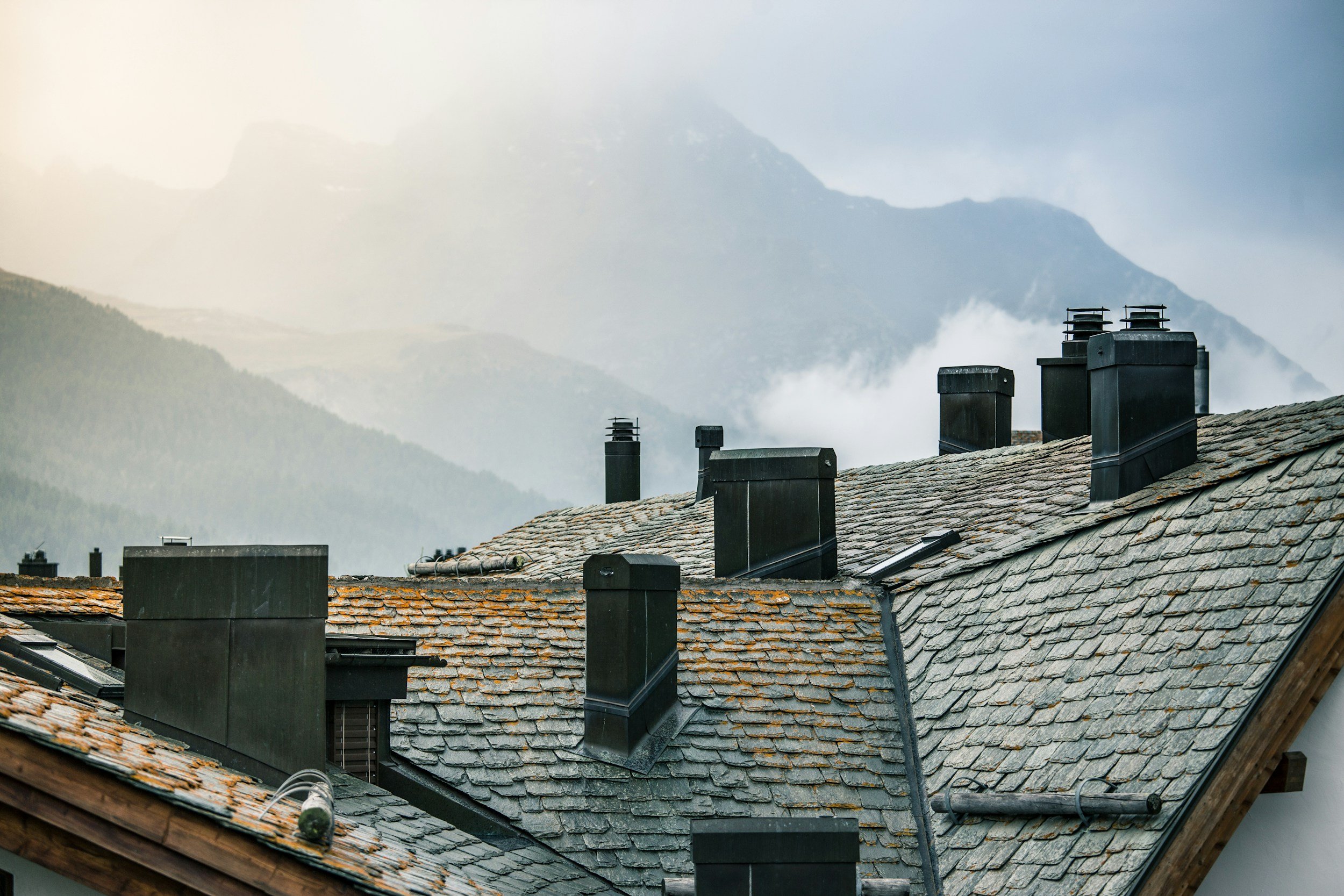
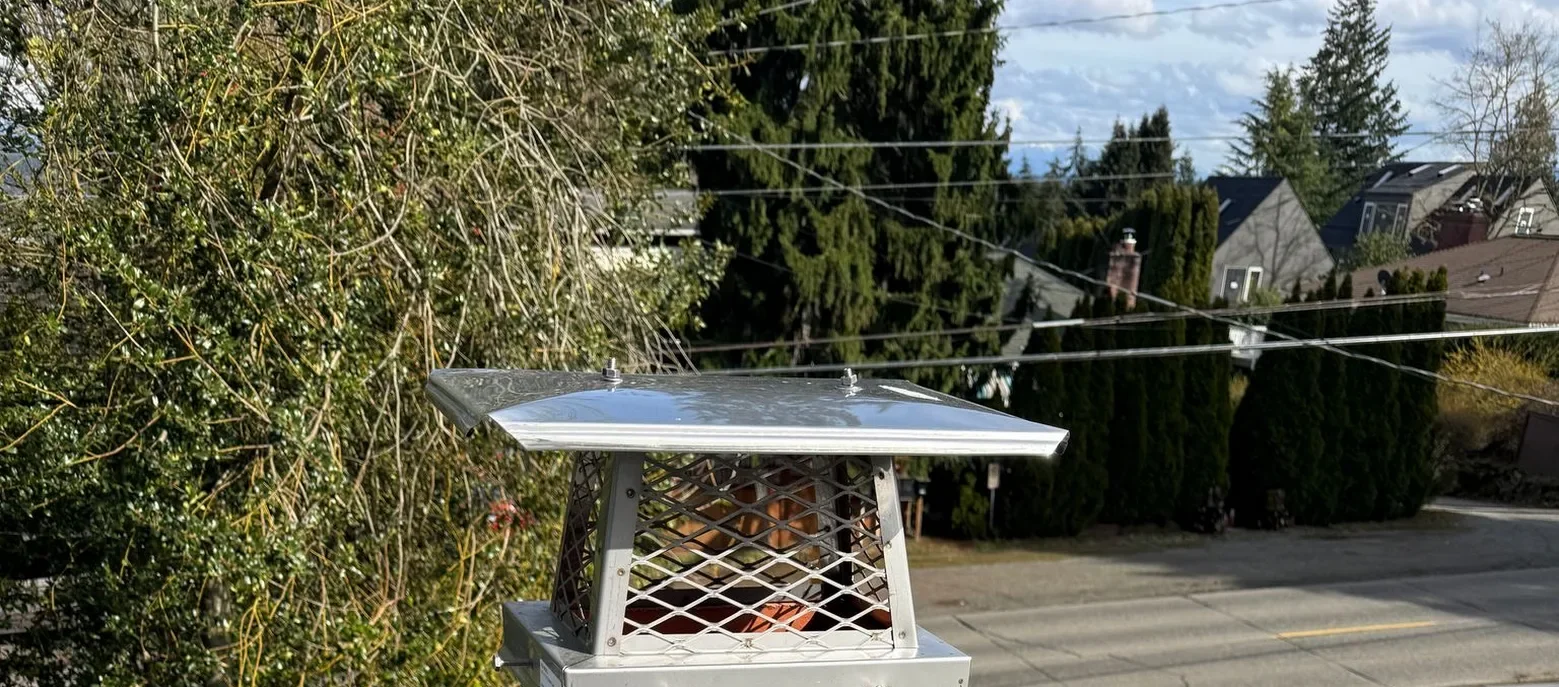
Next comes the vent check. This is big. I go outside, climb ladders, sometimes fight ivy and blackberry vines. I’ve pulled tennis balls, pine cones, and even a toy dinosaur from vent pipes. True story in Magnolia. Kid swore it “fell in by accident.”
Then I test the gas pressure and ignition. The flame should burn clean blue, not lazy orange. I also check carbon monoxide readings inside the room. If numbers climb, something is wrong and we stop right there.
At the end, I explain what I saw in normal words. No fancy talk. If parts need replacing, I show photos from my phone. People like seeing proof. Makes sense.
Real Seattle Stories From My Work Truck
One cold November morning near Alki Beach, I got a call from an older couple. Their fireplace kept shutting off. They thought it was broken. Turns out salty air from the Sound corroded the sensor. After swapping the part and cleaning the burner, it fired up smooth. They offered coffee and showed me photos from the old ferry docks days. Nice folks.
Another job in Capitol Hill had a strong gas smell. That one made my nose wrinkle fast. A loose fitting behind the unit was leaking tiny amounts for months. No explosion, thank goodness, but still risky. After tightening and sealing, the smell vanished. The homeowner texted later saying they slept better that night. That’s the good part of this job.
In Fremont, during a rainy spring week, a rental unit had water dripping into the firebox. The vent flashing was cracked. Rain poured straight down the pipe. That water rusted the burner ports. We fixed the flashing and cleaned everything. Landlord learned a lesson about ignoring roof parts.
These stories pop up all over Seattle. Same problems, different houses.
Seasonal Gas Fireplace Problems Around Puget Sound
Fall is busy. People turn on fireplaces after months of silence. Dust burns off and smells weird. Some folks panic. Usually normal, sometimes not. That’s when Gas Fireplace Safety Inspection helps.
Winter brings heavy use. I see worn ignition parts, tired thermocouples, and cracked glass seals. Cold air pushes down chimneys and messes with draft. Homes near Lake Washington and Puget Sound feel this more due to wind patterns.
Spring brings water problems. Rain sneaks into vents. Moss grows on caps. I’ve cleaned green slime from vent covers more times than I can count.
Summer is quiet but smart homeowners book inspections then. Prices stay steady, and you avoid fall rush. Plus it’s nicer climbing roofs when it’s dry.
For air safety info tied to gas appliances, the EPA indoor air quality and gas heater guide is helpful. It explains how bad air can build up when vents fail.
Chimney Sweep Services and Gas Fireplace Safety
Now about Chimney Sweep services. Yes, gas fireplaces still need chimney care. People think gas equals zero mess. Not true. Soot still forms. Dust sticks to moisture inside the flue. Bird nests don’t care if it’s gas or wood.
During inspections, I often spot light soot layers in liners. If ignored, airflow drops. That makes burners run hot and uneven. Chimney sweeping keeps the vent path open and smooth.
One home near Green Lake had years of dust buildup. After cleaning, the flame looked stronger and quieter. Owner said it heated the room faster too.
So Chimney Sweep work pairs well with Gas Fireplace Safety Inspection. One keeps the firebox clean, the other checks the system health.
Masonry Contractor Work That Supports Fireplace Safety
Masonry Contractor work also ties into gas fireplace safety. Brick surrounds crack. Mortar joints weaken. Chimney crowns leak water. All that affects fireplace systems.
In Ballard, I inspected a gas insert set inside an old brick fireplace. Mortar gaps allowed cold air inside the chase. That cold air messed with draft and flame stability. After masonry repair, the fireplace worked better and stayed warm.
Masonry issues also cause water leaks. Water plus metal equals rust. Rust eats burners and vent connectors. Simple brick repair saves money long term.
So yeah, Gas Fireplace Safety Inspection sometimes leads to Masonry Contractor work. Both play together like gears in a bike.
Seattle Neighborhoods and Local Landmarks We Serve
Chimney 360 Services works all over Seattle. From Shoreline border down to Rainier Beach. From West Seattle bridges over to Laurelhurst.
I’ve done inspections near Pike Place Market condos, Queen Anne hill homes, Beacon Hill rentals, and tiny houses in Georgetown. Each spot has different airflow, wind, and building styles.
Near Discovery Park, wind hits chimneys harder. Near downtown towers, pressure zones change vent behavior. Near Woodland Park Zoo area, trees drop debris on vent caps nonstop.
Local events also affect scheduling. During Seahawks home games, traffic slows service vans. During Seattle Marathon weekends, some streets close. I plan routes around that stuff.
If you live near Space Needle, Gas Works Park, Alki Beach, or Green Lake loop, chances are I’ve worked on a fireplace close by.
How to Book Gas Fireplace Safety Inspection With Chimney 360 Services
If your fireplace smells odd, shuts off, or hasn’t been checked in years, it’s time. Chimney 360 Services handles Gas Fireplace Safety Inspection across Seattle.
NAP Info:
Business Name: Chimney 360 Services
City: Seattle
Phone: (206) 618-2443
Website: https://www.chimney360services.com/
Call, text, or book online. I like phone calls best. Faster, more clear, no weird form glitches.
AREA OF SERVICES
FAQs
-
Once a year works best. Seattle rain and wind push dirt into vents fast, so yearly checks help stop small problems.
-
Yes. Salt air speeds up rust on metal parts. Homes near water need inspections more often to catch corrosion early.
-
No. Turn it off and call for inspection. Smells often mean vent trouble or gas leaks, both risky.
-
Yes. Summer is great because roofs are dry and parts are easier to spot and fix before cold season starts.
-
Older homes usually have aging vents and masonry. Inspections help catch hidden damage inside walls or chimneys.
-
Yes. We test air levels inside the room to spot bad vent flow or burner problems.
