
Chimney Waterproofing for Thermal Protection in Seattle, WA
Why Chimney Waterproofing for Thermal Protection Matters in Seattle
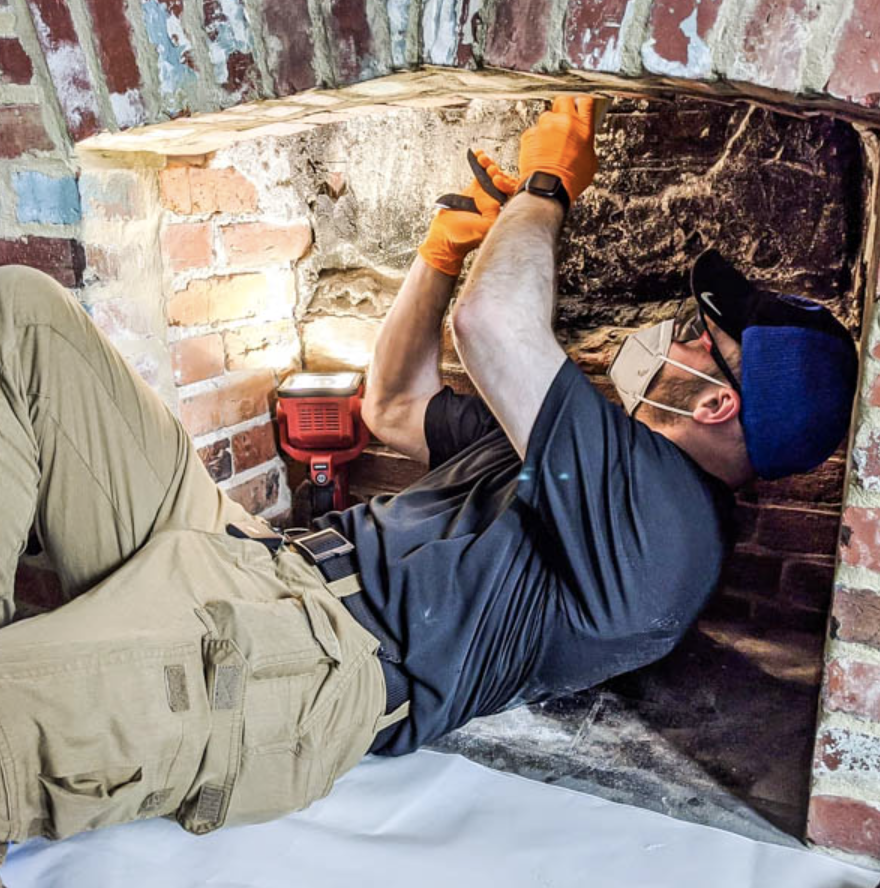
Seattle rain is no joke. It falls sideways, it drips slow for days, and it finds tiny cracks you didn’t even know were there. I’ve worked as an insulation contractor in Seattle for years, and one of the sneakiest heat loss problems I see comes from wet chimneys. Chimney waterproofing for thermal protection stops cold air leaks, blocks water soak, and keeps heat inside your home where it belongs.
When brick gets wet, it gets cold. Cold brick pulls warmth out of your living room like a sponge. I once checked a home near Green Lake where the fireplace wall felt colder than the outside porch wall. After waterproofing the chimney, the room warmed up faster and the heater stopped running so long at night.
Seattle homes in Ballard, West Seattle, Capitol Hill, and Beacon Hill all face the same issue. Moist air, fog, rain, and salty coastal breeze from Puget Sound beat on chimneys every year. Waterproofing builds a shield so the masonry stays dry and warm. That’s thermal protection in real life, not fancy words.
For city guidance on moisture and building safety, I often point people to Seattle Department of Construction & Inspections building moisture info. It lines up with what we see daily in the field.
How Water Sneaks Into Chimneys Around Seattle Homes
Tiny Cracks Turn Into Big Problems
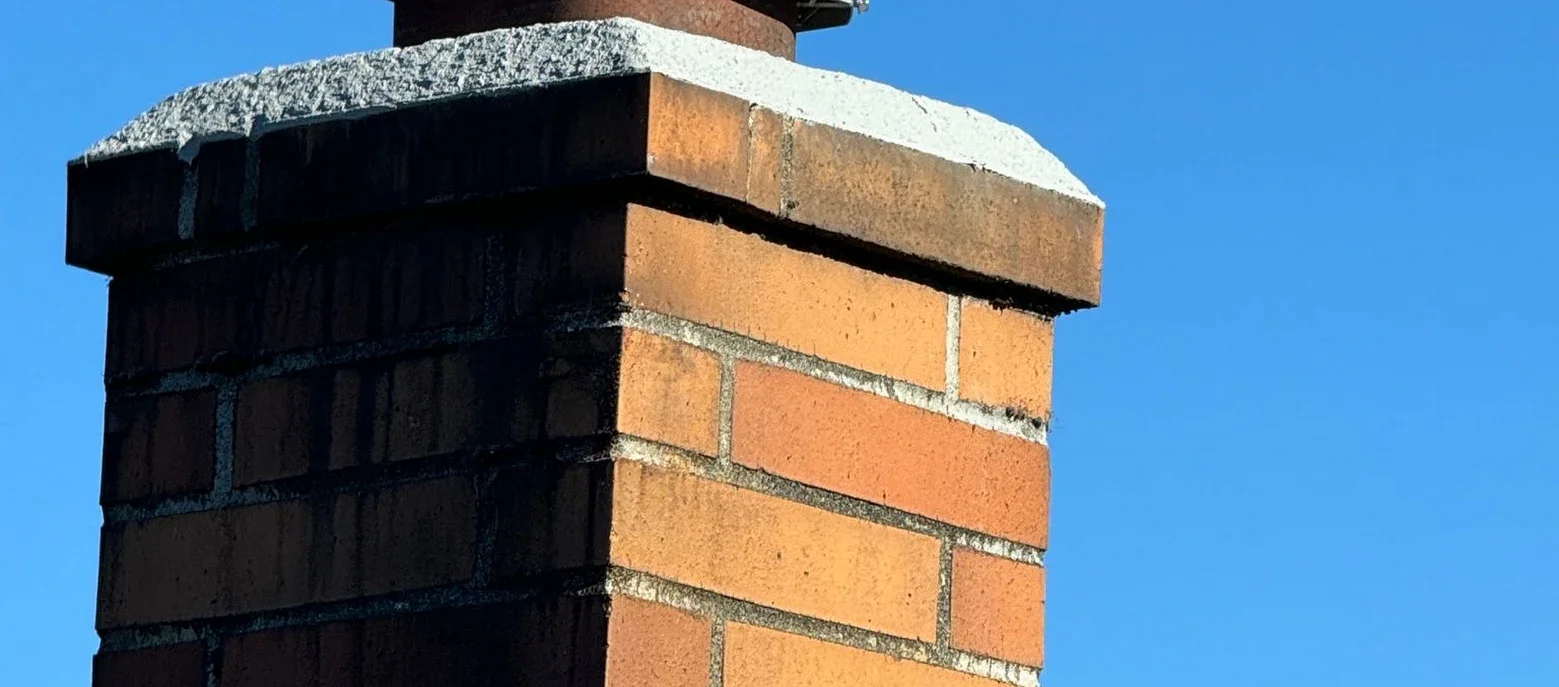
Water loves small gaps. Mortar joints shrink over time. Bricks shift when the ground gets soggy during winter storms. In neighborhoods like Rainier Valley, where soil stays damp, chimneys move just enough to open small cracks. Rain enters, freezes, expands, and cracks grow more. It’s slow but steady damage.
Wind-Driven Rain and Coastal Air
Seattle wind pushes rain sideways. Chimneys on Queen Anne hill and Magnolia get hit hard because they stand tall and face open wind. That rain doesn’t just hit the surface. It soaks deep inside brick pores.
According to EPA moisture and mold prevention guidance, keeping masonry dry lowers indoor humidity problems. Chimney waterproofing helps stop that moisture travel path.
Real Customer Stories From Seattle Neighborhoods
Ballard Craftsman Home Story
A family in Ballard called us after noticing their living room felt chilly even with the heater on. We inspected the chimney and found water stains inside the firebox. The brick was damp and cold to touch. After chimney waterproofing for thermal protection, the fireplace wall dried out in weeks. The owner told me their gas bill dropped and the room finally felt normal again. They even sent me a photo of their dog sleeping by the fireplace for the first time that winter.
West Seattle View Home Story
Another job in West Seattle near Alki Beach stands out. Ocean air carries salt that eats mortar faster. Their chimney looked fine outside, but thermal camera showed cold zones behind the wall. We sealed it, added crown coating, and water repellent. A month later, they called just to say “hey, the cold spot is gone.” That call made my day.
Seasonal Problems: Rainy Falls and Cold Winters
Fall Rain Season Trouble
Fall rain soaks chimneys nonstop. Leaves clog caps. Water sits inside flue liners. When that happens, cold air sneaks down and spreads into the home. Chimney waterproofing blocks surface water so less moisture gets inside.
Winter Freeze and Heat Loss
Seattle winters don’t get super cold, but damp cold hurts more than dry cold. Wet brick stays colder longer. That makes your heater work harder. Waterproofed chimneys dry faster and keep stable temperature inside masonry layers.
For cold weather building advice, University of Washington building science studies help explain moisture flow (https://depts.washington.edu). It matches what we see on Seattle homes.
Spring Thaw Damage
When winter ice melts, water moves deeper into mortar cracks. That’s when bricks start flaking. Waterproof coating slows that damage and protects chimney shape and strength.

Chimney Waterproofing Process We Use
Inspection and Surface Prep
We start by checking cracks, mortar gaps, flashing, and crown damage. Dirt and moss get cleaned off. Seattle chimneys grow moss fast because of moisture. That green stuff holds water like a wet towel.
Sealant Application
We use breathable water repellent made for masonry. It blocks rain but lets trapped moisture escape. That’s big for thermal protection because trapped water stays cold.
Crown and Flashing Work
Crown cracks let water drip inside flue. We coat crowns and repair flashing where chimney meets roof. Many leaks start at flashing, not brick.
Final Heat Loss Check
After drying time, we check temperature changes around the fireplace wall. Homeowners often feel difference within days.
Chimney Sweep Services and How They Help Waterproofing
Chimney sweeping helps waterproofing more than folks think. When soot and creosote build up, moisture sticks to those layers. Clean flues dry faster. We often sweep chimneys before waterproofing so sealant bonds better and inside moisture drops faster.
In Seattle, wet creosote smells stronger. Homeowners near Fremont and Wallingford complain about fireplace odor. After sweeping and waterproofing, those smells fade away because moisture stops feeding that problem.
Local Landmarks and Area Projects We’ve Worked Near
We’ve done work near Pike Place Market condos, University District student housing, and homes around Discovery Park. Each area has its own weather pattern. Near water, salt air eats mortar. Near trees, moss grows faster.
During a Seattle Seahawks game weekend, we waterproofed a chimney near Lumen Field. Owner joked that rain from game day tailgates splashed on his chimney. That job showed how urban moisture and weather mix together in this city.
Sometimes waterproofing alone isn’t enough. Broken mortar joints and loose bricks need masonry repair. As a masonry contractor service partner, we repoint joints and replace damaged bricks before sealing.
In older homes around Capitol Hill and First Hill, original brick from early 1900s still stands. That brick needs gentle repair methods. After fixing joints, waterproof coating locks the work in place and adds insulation value by keeping the brick dry and warmer.
Masonry Contractor Work That Supports Thermal Protection
FAQs
Local Landmarks and Area Projects We’ve Worked Near
We’ve done work near Pike Place Market condos, University District student housing, and homes around Discovery Park. Each area has its own weather pattern. Near water, salt air eats mortar. Near trees, moss grows faster.
During a Seattle Seahawks game weekend, we waterproofed a chimney near Lumen Field. Owner joked that rain from game day tailgates splashed on his chimney. That job showed how urban moisture and weather mix together in this city.
Why Homeowners Call Chimney 360 Services
People call Chimney 360 Services because we live here too. We know Seattle rain patterns. We know how older homes behave. We explain stuff in simple words, not sales talk.
Our NAP info stays clear and local:
Chimney 360 Services
Seattle, WA
(206) 618-2443
Website: https://www.chimney360services.com/
When you call us, you talk to real techs who climbed wet roofs and fixed cold chimneys during winter storms. We show photos, explain damage, and give honest advice. No pressure talk, just straight work.
-
Yes. It keeps brick dry so cold air can’t move through wet masonry. Many Seattle homes feel warmer within days.
-
Most coatings last 5–10 years. Rain and salt air near Puget Sound may shorten that time.
-
It helps a lot. Less moisture means less mold growth and fewer musty odors inside the flue.
-
Yes when breathable sealers are used. They block rain but still let moisture escape
-
Dry chimneys hold heat better. Many customers see lower heating costs after sealing.
-
No. Cracks need masonry repair first. Waterproofing protects the repair after.
