
Dryer Vent Cleaning After Construction in Seattle
Why Dryer Vent Cleaning After Construction Matters in Seattle Homes
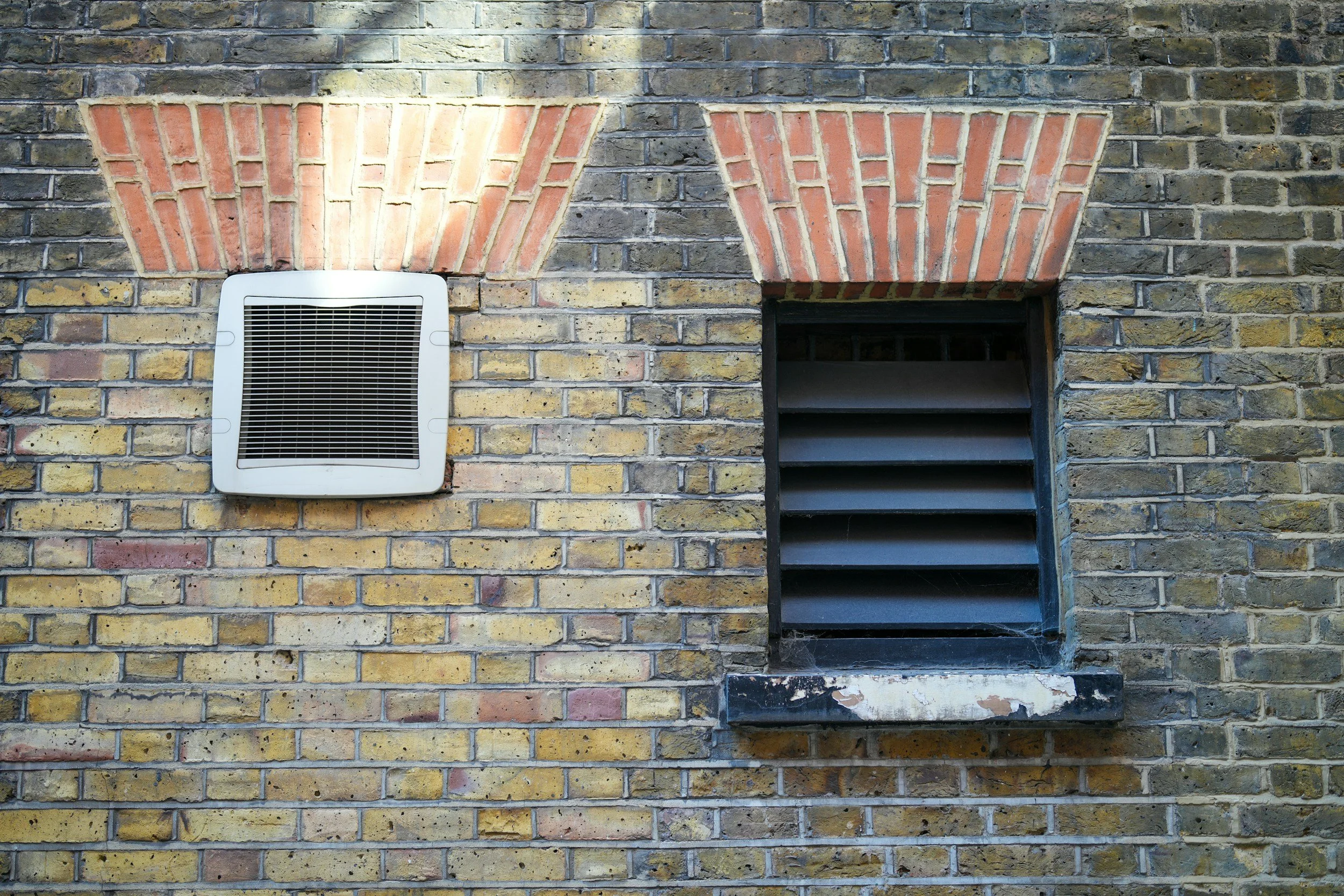
What Happens Inside Your Dryer Vent After Construction
If you’ve just finished a remodel in Seattle, your home probly looks amazing. Fresh paint, new floors, maybe even a brand new laundry setup. But there’s one thing most people don’t think about—what’s hiding inside the dryer vent.
Construction dust doesn’t just stay on the floor. It floats. It gets everywhere. And dryer vents? They act like long tunnels that trap all that fine dust, drywall bits, and even small wood particles.
I’ve seen homes in Queen Anne and Capitol Hill where the dryer vent was almost fully clogged after just a few weeks of post-construction use. The homeowner kept saying, “but the house is brand new.” Yeah… the vent didn’t get the memo.
When that buildup sits inside the vent, airflow drops. Heat builds up. Lint sticks to the dust. That’s when things get risky.
According to the EPA guide on indoor air quality for Seattle homes, fine particles from construction can stay trapped indoors and move through systems like vents and ducts. That includes your dryer vent too.
Let me explain it in a simple way.
Think of your dryer vent like a long straw. Now imagine blowing dust, sawdust, and lint into that straw every day. It doesn’t just pass through—it sticks.
After construction, here’s what usually builds up inside:
Drywall dust (super fine, almost like flour)
Wood shavings
Insulation fibers
Paint particles
Regular dryer lint mixed in
That combo turns into this weird, sticky layer inside the vent walls. Not soft lint. More like… packed dirt.
I once opened a vent near Fremont where the inside looked like someone poured cement dust and let it sit. The airflow was so bad the dryer took 3 cycles just to dry towels.
The scary part? That stuff holds heat. And heat + lint = fire risk.
The U.S. Fire Administration dryer fire safety page talks about how clogged vents are one of the main causes of dryer fires. Construction debris just speeds that up.
Real Story: A Ballard Remodel That Almost Burned a Dryer
This one stuck with me.
We got a call from a homeowner in Ballard. They had just finished a full kitchen and laundry remodel. Everything looked clean, new, perfect.
But their dryer started smelling hot. Not like laundry heat… more like something burning.
When we checked the vent, it was packed. I mean really packed. Layers of drywall dust and lint stuck together like wet sand.
The airflow was almost zero. The dryer was overheating every time they ran it.
They told me, “we thought something was wrong with the new dryer.”
Nope. It was the vent.
After we cleaned it, airflow came back right away. Dryer time dropped from 90 minutes to about 40. Big diff.
That’s the kind of thing that happens a lot after construction. Not rare at all.
Signs Your Dryer Vent Needs Cleaning After Construction
You don’t always see the problem right away. But there are signs. Some are small, some are kinda obvious.
Here’s what to watch for:
Clothes taking longer to dry
Dryer feeling extra hot on the outside
Burning or dusty smell
Lint collecting faster than usual
Weak airflow outside at the vent hood
Laundry room getting humid
I had a customer near Green Lake say their windows fogged up every time they used the dryer. That’s a airflow issue. The vent was blocked.
If your home had construction recently—even a small remodel—it’s smart to check the vent.
The City of Seattle indoor air and ventilation guide also talks about how airflow problems can affect indoor comfort and safety.
Seasonal Issues in Seattle That Make It Worse
Seattle weather adds another layer to this.
Rainy Months (Fall & Winter)
Moisture mixes with construction dust inside the vent. That makes the buildup heavier and harder to push out. It sticks more.
I’ve seen vents in West Seattle where the inside felt damp even weeks after construction ended.
Spring Pollen
Now you’ve got dust + pollen. That combo clogs faster than you’d expect. Especially if windows were open during renovation.
Summer Heat
Dryer runs hotter. If airflow is already blocked, temps climb even higher. That’s when problems really show up.
One job near Pike Place Market had a vent that overheated so much the outside vent cover warped a bit. Not good.
Our Process for Dryer Vent Cleaning After Construction
At Chimney 360 Services, we don’t just do a quick clean and leave. Post-construction vents need a bit more attention.
Here’s how we handle it:
We start with an airflow check. This tells us how blocked the vent is.
Then we inspect the line. Sometimes construction crews accidentally crush or disconnect parts of the vent. Happens more than you’d think.
Next comes the cleaning. We use rotating brushes and strong vacuum systems to break up that packed dust and lint mix. It’s not the same as normal lint cleaning—it takes more effort.
After that, we run another airflow test. You can actually feel the difference outside at the vent hood.
Sometimes we also find bird nests or debris near the exit. Seattle has a lot of that, esp in older neighborhoods like Beacon Hill.
Chimney Services and Why They Still Matter
Why Local Experience in Seattle Makes a Difference
Call Chimney 360 Services Today
Air Duct Services and How They Connect to Dryer Vents
Air ducts and dryer vents are different systems, but they get dirty for the same reason—construction dust.
After a remodel, dust gets pulled into ductwork and pushed into rooms. At the same time, dryer vents collect heavier debris.
I remember a home in South Lake Union where the ducts were full of fine dust, while the dryer vent had thick lint buildup. Two different problems, same source.
Cleaning both helps the whole house feel cleaner. Less dust, better airflow, easier breathing.
Even though this page is about dryer vents, chimney services still come up a lot during construction projects.
When homes in Seattle get remodeled, chimneys often get ignored. But dust and debris can fall into chimney flues during roof or attic work.
We’ve had cases where both the dryer vent and chimney needed cleaning at the same time. It just makes sense to check both.
Chimney 360 Services handles both, so homeowners don’t need to call multiple companies. Keeps things simple.
Seattle homes are… kinda unique.
Older homes in areas like Capitol Hill or Ballard often have longer vent runs. More turns. More places for debris to get stuck.
Newer homes? Tighter spaces, sometimes poorly installed vents after quick construction jobs.
We’ve worked all over Seattle—from Queen Anne hills to Rainier Valley. Every area has its own quirks.
Knowing how these homes are built helps us find problems faster. And fix them right.
If your home just went through construction, don’t wait on the dryer vent.
Even if everything looks clean, the vent might not be.
Chimney 360 ServicesSeattle(206) 618-2443https://www.chimney360services.com/
We’ve helped a lot of homeowners around Seattle fix these exact issues. Some caught it early. Some… waited a bit too long.
Either way, it’s fixable. Better sooner than later tho.
Landmarks, Areas, and Local Spots Where We Work
FAQs
-
Yeah, you probly do. Construction dust gets inside vents fast. Even small projects can clog airflow and make your dryer work harder.
-
Right after the project ends is best. Waiting lets dust mix with lint and get stuck deeper inside the vent.
-
Yes. Dust mixed with lint traps heat. That combo can lead to overheating and possible fire if airflow is blocked.
-
A bit, yeah. Moist weather and longer vent systems in older homes make buildup worse and harder to clear.
-
Usually about 45 minutes to an hour. If it’s packed with construction debris, it might take longer
-
It helps. Dryer vents handle lint, ducts handle air. Both collect dust during remodels, so cleaning both makes a big diff.
