
Smoke Chamber Efficiency Inspection in Seattle, WA
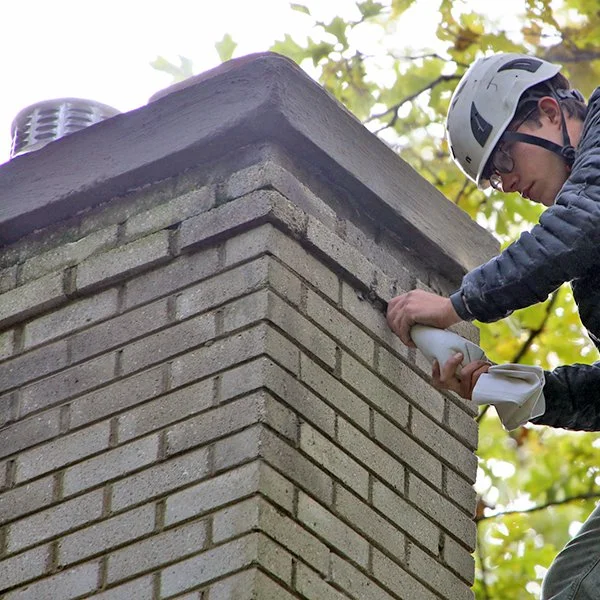
What Smoke Chamber Efficiency Inspection Means for Seattle Homes
Smoke chamber efficiency inspection sounds fancy, but it’s simple. The smoke chamber is the area above the firebox that guides smoke into the flue. When this space is shaped wrong, dirty, cracked, or blocked, smoke moves slow. Slow smoke means more heat loss, more smell, and more mess inside your home.
As an insulation contractor in Seattle, I’ve seen many fireplaces that look fine on the outside but act weird inside. Smoke rolls back into the room. Soot sticks to walls. The heater works harder because warm air gets sucked up the chimney. A smoke chamber efficiency inspection checks airflow, shape, surface, and insulation around that space.
Seattle homes in Ballard, Capitol Hill, and Greenwood use fireplaces a lot when rain and cold mix together. That makes smoke chamber health even more important. When the chamber works right, smoke goes up fast and warm air stays in the living space longer.
The EPA fireplace air quality guide for indoor smoke safety talks about smoke movement and indoor air problems. That lines up with what we fix every week in Seattle homes.
How the Smoke Chamber Works With Fireplace Insulation
Airflow and Heat Path
The smoke chamber acts like a funnel. It guides hot smoke from wide firebox opening into the narrow flue pipe. If this funnel has rough brick, gaps, or bad angles, smoke bumps around and slows down. When smoke slows, heat escapes into chimney walls and attic spaces.
Insulation Role
Insulation around the smoke chamber keeps heat moving upward instead of leaking sideways. Without insulation, that heat warms the attic and roof instead of your room. I’ve opened walls near Ravenna homes and found no insulation around chimney chase areas. That wastes heat and raises fire risk.
Smooth Surface Matters
Rough surfaces inside the smoke chamber catch soot. That soot builds up and blocks airflow. Smooth chambers move smoke better and stay cleaner longer.
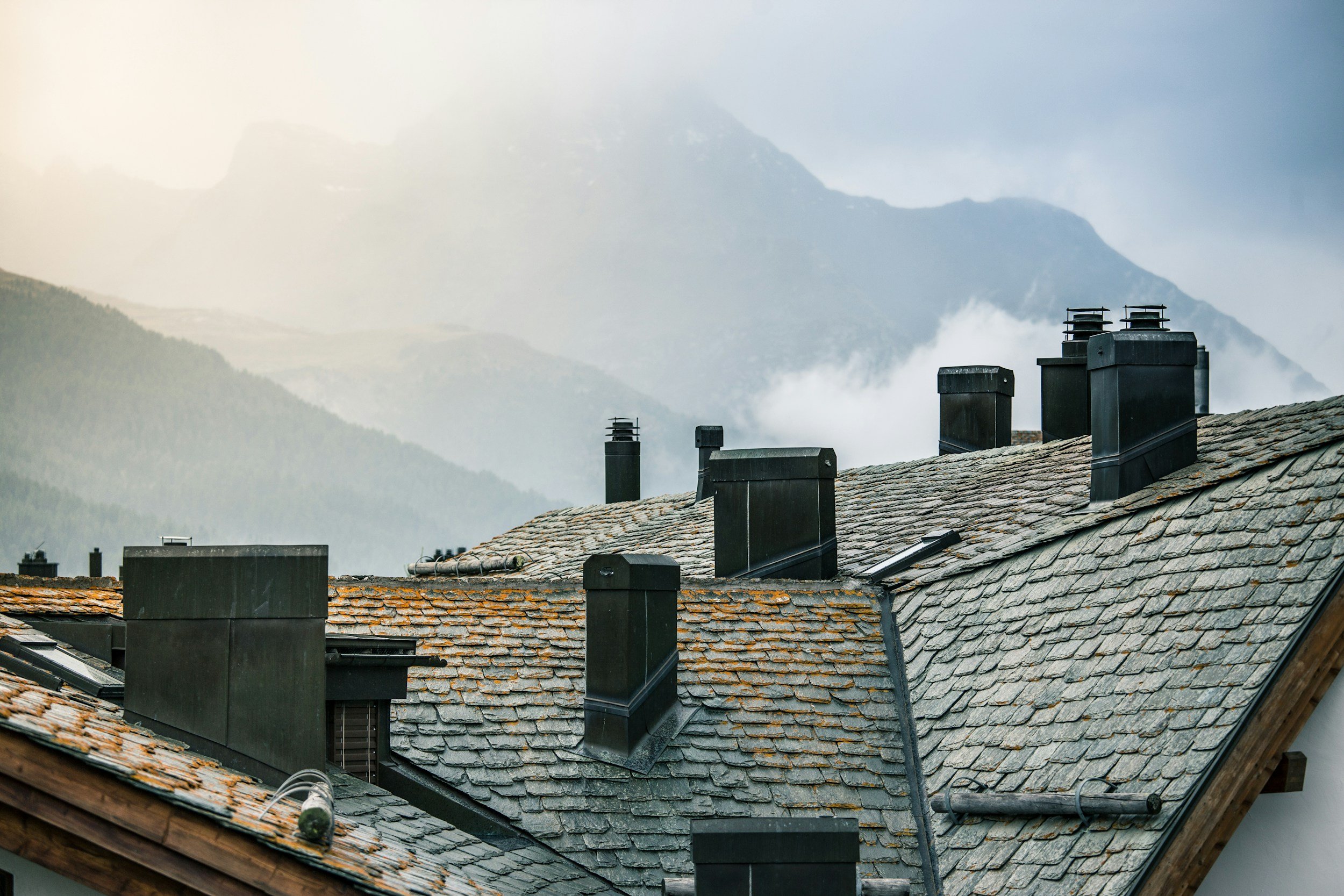
Why Seattle Weather Hurts Smoke Chamber Performance
Moist Air Buildup
Seattle air stays damp most of the year. Moist air drops inside chimneys and smoke chambers. That moisture sticks to soot and creates thick black layers. Thick layers shrink smoke paths and slow airflow.
Cold Outside Temperatures
Cold air outside pushes down chimneys at night. That backdraft makes smoke come inside homes. We see this a lot in Northgate and Shoreline areas where wind funnels between houses.
Rain Entry Problems
Rain enters chimneys with broken caps or crowns. Water drips into smoke chambers and weakens mortar joints. That damage changes airflow shape. Over time, it turns into a maze instead of a smooth funnel.
Seattle Department of Construction & Inspections building moisture tips talk about moisture damage in building parts. Chimneys get hit hard by this.
Signs Your Smoke Chamber Is Not Working Right
Smoke Smell in Living Room
If your living room smells smoky after fires, smoke chamber flow might be slow. That smell sticks to curtains and couches. One family near Wallingford told me their couch smelled like campfire for weeks.
Soot Falling Into Firebox
When soot falls down instead of moving up, airflow is weak. That usually points to chamber buildup or shape problems.
Cold Drafts When Fireplace Is Off
Cold air coming out of the fireplace opening means airflow direction is messed up. Insulation and chamber sealing helps fix that.
Hard to Start Fires
If fires struggle to stay lit, smoke may not be rising fast enough. That’s another sign the chamber needs inspection.
Real Customer Stories From Seattle Neighborhoods
Queen Anne Brick Home Story
A homeowner near Kerry Park called us because smoke kept puffing into their living room. During inspection, we found heavy soot buildup and rough mortar edges inside the smoke chamber. After cleaning, smoothing, and insulation sealing, airflow improved. The owner later said fires started faster and smoke smell stopped.
Green Lake Family Story
This family used their fireplace daily in winter. They noticed their house stayed cold even with fires going. We inspected the smoke chamber and found heat leaking into the attic area. After insulation upgrades and chamber sealing, the living room warmed quicker. The dad told me he stopped wearing a hoodie indoors.
West Seattle View Home Story
A West Seattle homeowner with ocean view complained about rust smell and smoke. Salt air had damaged mortar inside the smoke chamber. We repaired masonry and improved insulation barrier. After that, airflow got stronger and odor dropped fast.

Seasonal Smoke Chamber Problems in the Pacific Northwest
Fall Fireplace Start-Up Issues
When fall hits, fireplaces wake up after summer sleep. Dust, nests, and moisture block smoke chambers. Inspections before fall use stop smoke blowback and help airflow.
Winter Heavy Use Stress
During winter, smoke chambers handle more heat cycles. Brick expands and shrinks. Weak joints crack. That damage changes airflow shape. Homes in Fremont and Ballard with older chimneys show this fast.
Spring Moisture Trouble
Spring rain brings water down chimneys. That water sits inside smoke chambers and weakens surfaces. If not fixed, next winter airflow drops again.
University of Washington building airflow research explains how warm air moves in structures. That science matches what we see in chimney airflow behavior.
Step 1: Visual and Camera Check
We use lights and cameras to inspect smoke chamber walls. We look for rough brick, cracks, buildup, and shape problems.
Step 2: Airflow Test
We test smoke movement using safe smoke tools. This shows how fast smoke rises and where it slows down.
Step 3: Insulation Check Around Chimney Chase
We inspect insulation around chimney walls and attic areas. Missing insulation lets heat escape and lowers smoke rise speed.
Step 4: Repair Plan Talk
We show photos and explain fixes in simple words. No big terms. Homeowners know what’s wrong and what helps.
Chimney Sweep Services That Support Smoke Chamber Airflow
Chimney sweeping helps smoke chamber efficiency a lot. Soot and creosote build thick layers inside the chamber. That narrows smoke paths and slows flow. Sweeping removes that buildup.
Seattle’s damp climate makes creosote sticky. After sweeping, smoke chambers breathe better. Homes near University District rentals often need this because fireplaces get heavy use.
Sweeping also lets inspectors see chamber walls clearly. Hidden cracks show up once soot is gone.
Masonry Contractor Repairs That Help Smoke Flow
Some smoke chamber problems need masonry repair. Broken mortar joints, loose bricks, and rough surfaces block airflow. Masonry contractor repairs smooth the chamber shape and seal gaps.
Older homes near Pioneer Square and First Hill often need this work. After masonry repair, insulation layers go back in place. That keeps heat moving upward and smoke flowing clean.
Energy Use, Indoor Air, and Comfort Benefits
Smoke chamber efficiency inspection helps energy use. When smoke rises faster, less warm air escapes from the room. That means heaters run less on fireplace nights.
Indoor air gets cleaner too. Better airflow lowers smoke smell and soot particles inside living spaces. Families near Beacon Hill told me their kids stopped coughing near the fireplace after chamber fixes.
Comfort improves because cold drafts drop. Living rooms stay warm longer after fires burn out. That’s a big deal during Seattle’s long wet winters.
Why Seattle Homeowners Call Chimney 360 Services
People call Chimney 360 Services because we live and work in Seattle. We climb wet roofs. We inspect smoky fireplaces. We fix airflow problems during cold nights.
Our local contact info stays clear and easy:
Chimney 360 Services
Seattle, WA
Phone: (206) 618-2443
Website: https://www.chimney360services.com/
We’ve worked near Pike Place Market condos, homes by Discovery Park, and houses around Green Lake. Every area has different chimney problems, but smoke chamber efficiency inspection always helps airflow and safety.
Customers like our straight talk. We explain problems with photos and simple words. No fancy talk, no pressure sales. Just real work and real fixes.
AREAS WE SERVE (MAP)
FAQs
-
Yes. It finds airflow problems and soot buildup so smoke moves up faster and stays out of rooms.
-
Once a year works best, usually before fall fireplace season starts.
-
Yes. Warm air escapes faster when smoke moves slow, making heaters work harder.
-
Yes. Rain and moisture weaken mortar and cause buildup that blocks airflow.
-
Yes. It removes thick soot layers that slow smoke movement.
-
Yes. With masonry fixes and insulation upgrades, airflow improves and safety rises.
