
Residential Dryer Vent Cleaning in Seattle
Why Residential Dryer Vent Cleaning Matters in Seattle Homes
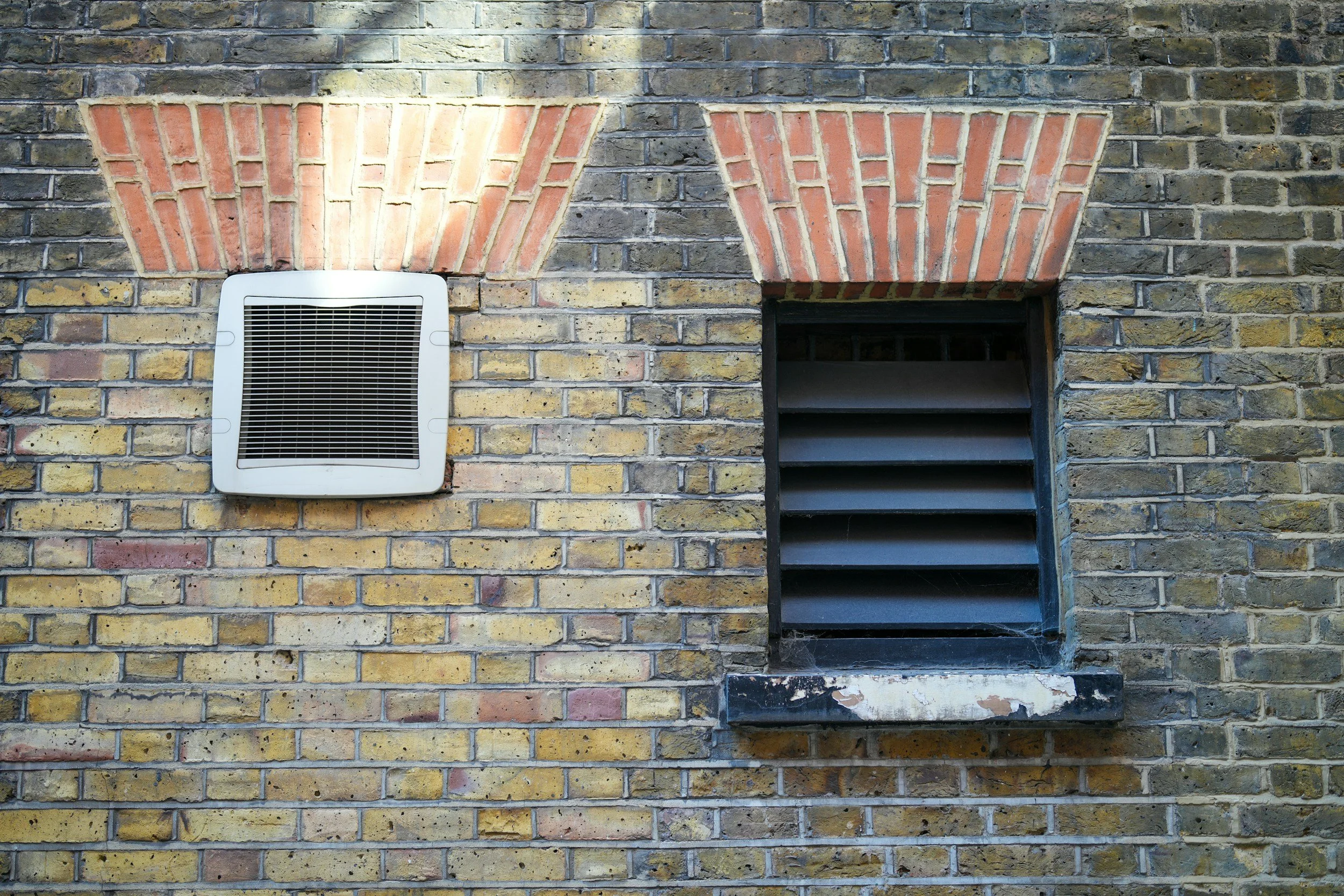
Living in Seattle, you already deal with rain, damp air, and that never-ending laundry pile. Now add lint clogging up your dryer vent… yeah, not fun.
I’ve been doing Residential Dryer Vent Cleaning for years, and I’ll tell you straight—most folks don’t even think about their dryer vent until something goes wrong. One customer in Ballard told me, “I thought my dryer was just getting old.” Nope. It was packed with lint like a pillow.
Lint might seem soft and harmless, but it builds up fast. And when it does, it blocks airflow. That means your dryer works harder, takes longer, and gets hotter than it should.
According to the fire safety tips for dryer vent cleaning from the U.S. Fire Administration, thousands of house fires start every year because of clogged dryer vents. Yeah… it’s real.
In a city like Seattle where homes stay closed up a lot because of the weather, airflow matters even more. When vents are blocked, that hot air has nowhere to go. So it sits there, heating up your system.
I’ve seen dryers so hot you couldn’t touch the top. That’s not normal.
And hey, it’s not just about safety. A clean vent saves money too. Your dryer runs faster, uses less energy, and your clothes dry in one cycle instead of three. Simple.
What Happens Inside a Clogged Dryer Vent (Real Stories from Seattle)
Let me tell you about a job near Green Lake.
The homeowner called and said, “My clothes smell kinda burnt.” That’s never a good sign. I checked the vent, and wow… it was packed. Years of lint, pet hair, even a small bird nest near the outside vent.
Yeah, birds love those vents.
Another time in Capitol Hill, a family had to run their dryer 4 times just to dry towels. Turns out, the vent was almost fully blocked. Once we cleaned it, the dryer worked like new. The mom literally said, “Why didn’t I do this sooner?”
That happens a lot.
Inside your vent, lint sticks to the walls over time. Add moisture from Seattle’s damp air, and it clumps together. Think of it like wet dust turning into paste. Gross, right?
That buildup narrows the airflow. Then heat gets trapped. And then… problems start.
I had one customer in Fremont who joked, “My dryer was working harder than me.” He wasn’t wrong.
Cleaning that vent made a huge difference. Clothes dried faster. The dryer stopped overheating. And the electric bill dropped a bit too.
Signs Your Dryer Vent Needs Cleaning
Some signs are easy to miss. Others are obvious.Here’s what I usually tell people:Clothes take too long to dryDryer feels super hotBurning smell (big warning sign)Lint around the dryer or outside ventThe laundry room feels humidIf you notice even one of these, it’s time to check your vent.One homeowner in Queen Anne ignored the signs for months. By the time we got there, the vent was almost fully blocked. The dryer motor was already struggling. That repair cost way more than a simple cleaning would’ve.
So yeah… better to catch it early.
You can also learn more from the EPA’s indoor air and ventilation tips for homes in Seattle. Good airflow isn’t just about comfort—it helps your whole home.
Seasonal Dryer Vent Issues in Seattle (Rain, Cold, and Lint Build-Up)
Seattle weather plays a big role here.
In fall and winter, people do more laundry. More rain means more wet clothes. That means more dryer use… and more lint.
I’ve noticed that during colder months, vents clog faster. The damp air outside can also make lint stick inside the vent walls.
Then there’s spring. Pollen season. That stuff can get into outdoor vents too. I once cleaned a vent in West Seattle that had both lint and pollen packed together. It looked like some weird yellow blanket inside.
Summer isn’t off the hook either. People wash more after outdoor activities—hiking, beach days, all that. More laundry = more buildup.
Honestly, I recommend cleaning your dryer vent at least once a year. Some homes need it more often, especially if you have pets.
Dog hair + lint = a thick mess. Seen it many times.
Our Step-by-Step Residential Dryer Vent Cleaning Process
More Than Dryer Vents – Chimney and Air Duct Services
At Chimney 360 Services, we keep things simple.
Here’s how a typical job goes:
We start by checking your dryer and vent system. I like to see how bad the buildup is before we start. Sometimes it’s light. Sometimes… not so much.
Then we disconnect the dryer safely and get access to the vent line. We use special tools—brushes and high-powered vacuums—to remove all the lint.
I remember one job in Beacon Hill where the lint came out in long chunks. The homeowner was shocked. She said, “That was inside my wall??” Yep.
We clean from both ends—inside and outside. That way, everything is clear. No leftover buildup hiding somewhere.
After cleaning, we test airflow. You can actually feel the difference. Strong, steady air blowing out.
We also check for damage or blockages like bird nests. If something looks off, we let you know right away.
And before we leave, we clean up. No mess left behind.
Chimney Services
We also handle chimney cleaning and inspections. Many Seattle homes still use fireplaces, especially in winter.
I once cleaned a chimney in Magnolia that hadn’t been touched in years. The soot buildup was thick. After cleaning, the homeowner said the fireplace worked way better.
Chimneys need care too. Just like dryer vents, they can get blocked and cause issues.
Air Duct Services
Air ducts carry the air you breathe every day. Dust, allergens, and debris build up over time.
One family in Northgate had allergies that wouldn’t go away. After cleaning their air ducts, they noticed a big difference. Less sneezing, better air.
You can check Seattle’s official home maintenance and air quality resources here. Keeping your air clean matters more than people think.
Contact Information (NAP)
Chimney 360 ServicesSeattle(206) 618-2443Website: https://www.chimney360services.com/
Landmarks, Areas, and Local Spots Where We Work
FAQs
-
Most homes need cleaning once a year. If you do laundry a lot or have pets, do it every 6–8 months. Seattle’s damp air can make lint build faster.
-
It’s usually a clogged vent. Air can’t flow, so heat stays trapped. Cleaning fixes this fast in most Seattle homes.
-
Yes. Condo vents can clog too. Some setups are longer, which makes buildup worse. Regular cleaning helps avoid issues.
-
Yes. Lint is flammable. When heat builds up, it can start a fire. That’s why cleaning is done yearly.
-
Most jobs take 45–90 minutes. It depends on how clogged the vent is and the setup in your Seattle home.
-
Yes, a bit. Your dryer works less when airflow is clear, so it uses less power each cycle.
