
Seasonal Gas Fireplace Inspection
What This Service Really Means

Seasonal Gas Fireplace Inspection is one of those home services folks forget about until something smells weird or the flame looks off. I’ve worked in gas installation service for years around Seattle, and I can tell you this service saves money, stress, and cold nights. At Chimney 360 Services in Seattle, we see all kinds of fireplaces. Old brick homes in Ballard, modern condos in South Lake Union, craftsman houses near Green Lake. They all use gas fireplaces a little different, but they all need a check before heavy use.
Gas fireplaces are not “set it and forget it.” Dust builds up, spiders crawl inside vents, seals dry out, and sensors get dirty. Seasonal inspection means we come out, open things up, test the system, clean parts, and spot problems early. Simple stuff, but it matters. I’ve seen one loose fitting almost cause a full shut down during a snow week near Capitol Hill. The homeowner was not happy, but after the fix, heat was back in one hour.
We keep it simple. No scare talk. No upsell games. Just honest gas installation service and seasonal gas fireplace inspection done the right way.
Why Seattle Homes Need Seasonal Gas Fireplace Inspection
Seattle weather is wet, cold, and full of moisture. That combo messes with gas fireplace parts. Rain and damp air sneak into vent systems. Metal parts rust faster here than dry states. During fall and winter, folks run fireplaces more, sometimes daily. That extra use puts stress on valves, burners, and pilot lights.
Another big thing is indoor air safety. Gas fireplaces that are dirty or misaligned can push bad air inside. Carbon monoxide is no joke. The CDC carbon monoxide safety resource for Washington homes (https://www.cdc.gov/co) talks about how gas appliances should be checked often. Seasonal Gas Fireplace Inspection helps keep your family breathing clean air.
Seattle building rules also change. Some older homes in Queen Anne or Beacon Hill still use outdated vent setups. The City of Seattle building safety info for gas appliances shows updated venting and clearance rules. When we inspect, we check your setup against local code habits. Not to scare you, just to help keep your place safe and running smooth.
One winter near Rainier Valley, we found a blocked vent from bird nesting. That family said the fireplace smelled “sweet and weird.” After clearing it, airflow came back and smell was gone. Seasonal checks catch that kind of stuff before it becomes a bigger mess.
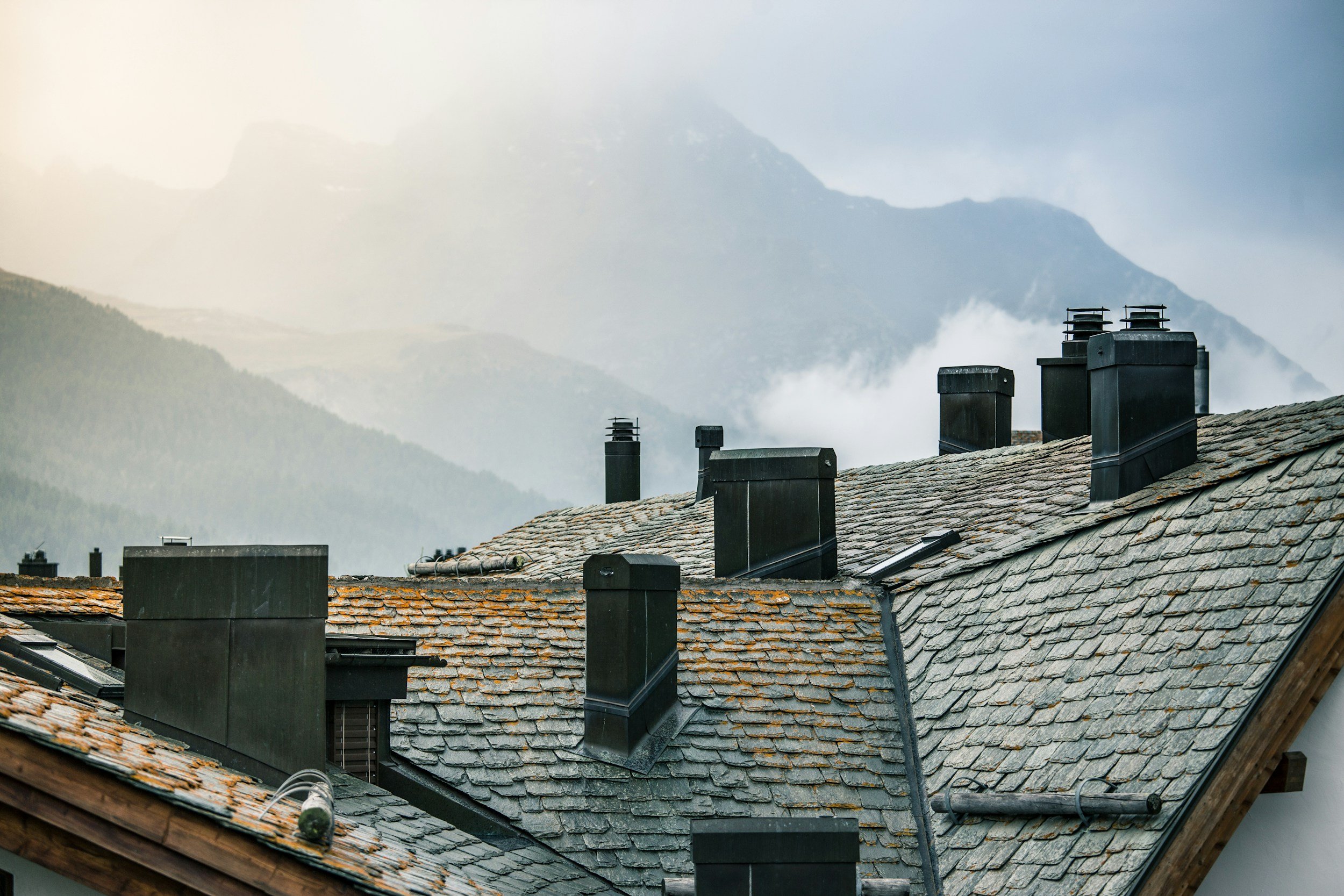
What Happens During a Seasonal Gas Fireplace Inspection (Our Step-by-Step Work)
Visual Check and Safety Lookover
We start with eyes first. We look at the firebox, glass panel, vent pipe, and gas line. Cracks, loose parts, rust spots, and soot stains show early trouble. In older homes near Fremont, I often see worn seals around the glass. That lets heat escape and pulls dirty air inside.
Burner and Pilot Cleaning
Dust builds up fast. Especially during summer when fireplaces sit unused. We clean burners and pilot lights so flames burn blue and steady. Yellow flames mean dirt or air problems. After cleaning, the fire looks stronger and runs smoother.
Gas Pressure and Leak Check
We test gas pressure and fittings. Even tiny leaks smell bad and waste gas. EPA gas appliance safety guidance for home heating systems supports regular gas equipment checks. We use tools and soap tests to spot leaks before they get worse.
Vent Draft Test
Good airflow pulls smoke and fumes outside. Poor draft pushes them back inside. Seattle’s damp climate makes vent clogs common. Leaves, bird nests, and moisture buildup are normal finds.
Final Burn Test
We light the fireplace and let it run. We watch flame color, heat output, and noise. We also test the wall switch or remote. After that, we explain what we found in plain words. No tech talk overload.

Best Time of Year for Seasonal Gas Fireplace Inspection in Seattle
Spring is great for inspection. After winter use, parts are tired and dirty. We clean things up and fix small issues before summer heat hits. Many West Seattle homeowners book in March or April when schedules are lighter.
Summer is slow season for fireplaces, but smart homeowners still book inspections. We see less emergency calls and more planned work. That means faster service times and flexible appointments.
Fall is busy. Everyone remembers fireplaces when cold rain shows up. We get calls from Ballard to University District. If you wait too long, you might end up on a waiting list. Getting inspected early fall keeps you warm when that first cold snap hits.
Winter inspections still happen, but they come with higher risk. If we find a safety issue, the fireplace might need to stay off until fixed. That’s rough during a January freeze. Seasonal Gas Fireplace Inspection before winter helps avoid that headache.
Real Seattle Stories From Seasonal Gas Fireplace Inspection Jobs
One time in Greenwood, a family called because their fireplace made popping sounds. During inspection, we found moisture inside the burner tray. It came from poor vent sealing. After cleaning and resealing, noise stopped. They told me later their gas bill even dropped a bit.
Another job near Pike Place Market was a condo unit with poor airflow. The flame kept going out. Turns out dust clogged the air intake. After cleaning, flame stayed steady. The owner said it felt like getting a new fireplace without buying one.
In Magnolia, we inspected a rental home before new tenants moved in. The landlord thought it was fine. We found a cracked ceramic log causing bad flame spread. Replacing it fixed uneven heating and smoke smell. That landlord still calls us every year now.
These stories are normal in gas installation service work. Seasonal Gas Fireplace Inspection keeps small problems small.
Secondary Services That Support Seasonal Gas Fireplace Inspection
Chimney Sweep Service
Chimney sweeping supports gas fireplace performance. Even gas systems collect dust, debris, and nesting materials. During chimney sweep work in Seattle neighborhoods like Wallingford and Capitol Hill, we remove blockages that affect draft flow. Clean chimneys help gas fireplaces vent properly and burn clean.
Masonry Contractory Service
Masonry Contractory work matters for older Seattle homes. Brick chimneys crack over time due to rain and freeze cycles. During inspection jobs near Queen Anne, we often see loose mortar joints. Masonry repairs keep chimneys stable and prevent moisture leaks that harm gas fireplace systems.
Service Areas, NAP Info, and How to Book With Chimney 360 Services
Chimney 360 Services works across Seattle. Ballard, West Seattle, Beacon Hill, Green Lake, Fremont, Magnolia, Capitol Hill, Rainier Valley, South Lake Union, and nearby areas. We know these neighborhoods well. We know the homes, weather patterns, and building styles.
NAP Information:
Business Name: Chimney 360 Services
City: Seattle, WA
Phone: (206) 618-2443
Website: https://www.chimney360services.com/
We keep things friendly and simple. You call. We answer. We show up on time. We explain what we see. That’s how local gas installation service should work.
Seasonal Gas Fireplace Inspection keeps your fireplace safe, clean, and ready for cold nights. Whether you live near Green Lake Park or close to the Space Needle, your fireplace faces the same rain, moisture, and wear. Getting it checked once or twice a year saves money and stress later.
AREAS WE SERVE
FAQs
-
Once a year is common. Many Seattle homes use fireplaces heavy in winter. Annual checks help stop leaks, weak flames, and airflow issues caused by rain and moisture.
-
Yes. Wet weather can cause vent rust and blockages. Seasonal Gas Fireplace Inspection helps spot moisture damage early and keeps airflow working right.
-
Most visits take 45 to 60 minutes. Time depends on fireplace type and vent setup. Older Seattle homes may take a bit longer.
-
You can, but it’s risky. Dirty burners and blocked vents can cause smell, poor heat, and safety issues. Inspection lowers those risks.
-
Yes. Condo gas fireplaces still use vents and gas lines. Seasonal checks help keep shared building air safe.
-
Clear space around the fireplace. Turn off the unit. Remove decor items. That helps the tech work faster and safer.