
Chimney Draft Problem Diagnosis in Seattle, WA
What Chimney Draft Problem Diagnosis Means for Seattle Homes

Chimney draft problem diagnosis sounds fancy, but it’s simple. It means figuring out why smoke, heat, or gas fumes don’t move up and out the chimney like they should. In Seattle, this comes up a lot. Wet air, tall trees, old homes, and tight building designs all mess with chimney airflow. I’ve been working in gas installation service for years and I can tell you, draft problems are one of the most common calls we get at Chimney 360 Services.
One cold morning near Green Lake, a homeowner said their gas fireplace made the room smell “stale.” They thought the unit was broken. It wasn’t. The chimney cap was half blocked with pine needles and bird fluff. Air could not move right. After chimney draft problem diagnosis and cleaning, the fireplace worked smooth again. No smell. No smoke puffing back into the room.
Bad draft also ties to indoor air safety. The EPA talks about airflow and gas venting in their indoor air quality guide. When vents don’t pull air up, gases hang around inside the house. That’s not something any family in Seattle wants.
Seattle homes come in all shapes. Old brick houses in Wallingford. New condos in South Lake Union. Townhomes in Ballard. Each setup has different draft behavior. That’s why chimney draft problem diagnosis matters more than quick guessing.
Common Chimney Draft Problems We Find Around Seattle
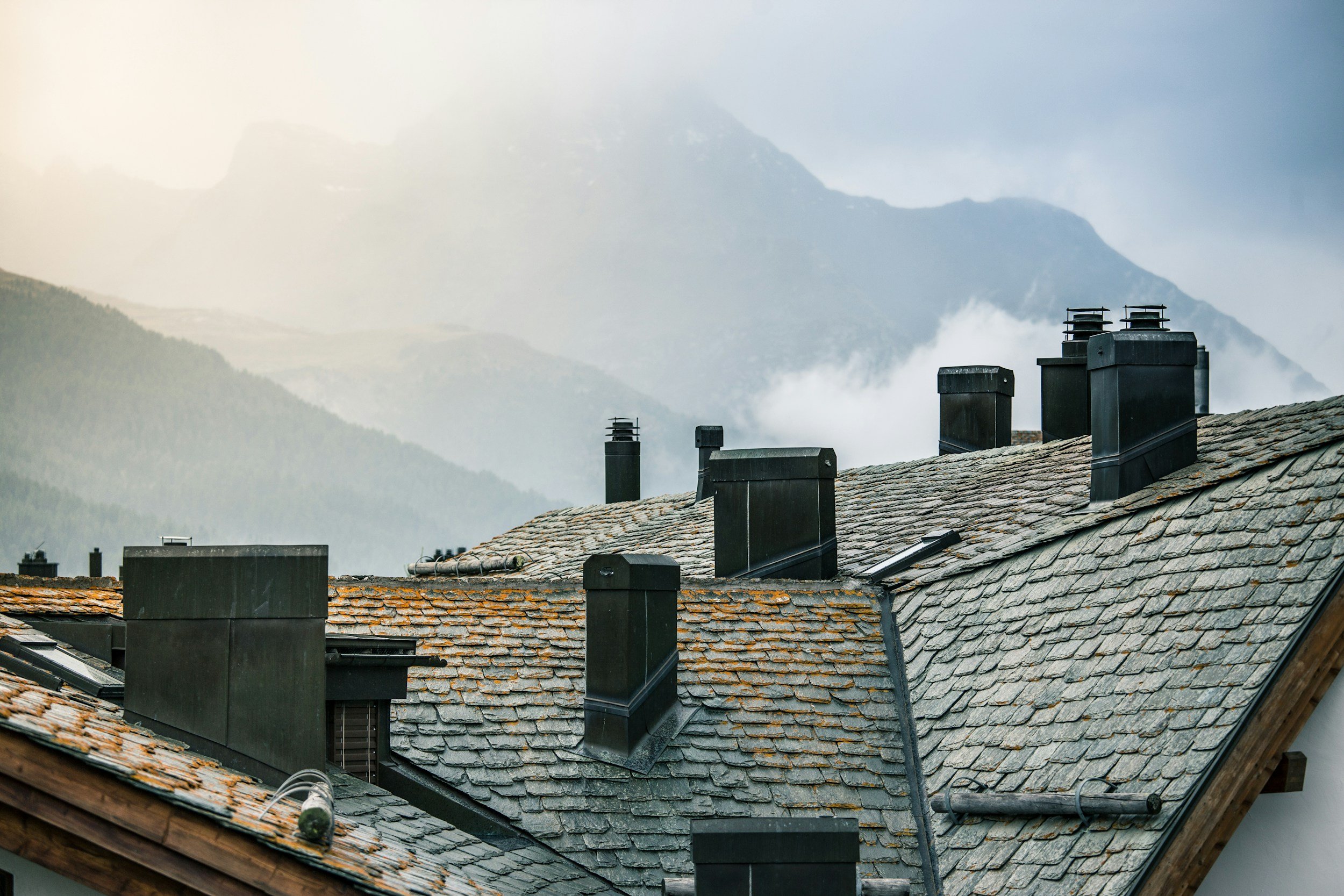
Seattle chimneys face daily battles with rain, wind, and trees. One big issue is moisture buildup. Wet air sticks inside metal liners and slows rising air. I’ve opened flues in Rainier Valley that felt damp inside even during dry weeks.
Another problem is vent blockage. Leaves from maple trees near Ravenna Park drop into caps. Seagulls near Alki Beach love nesting on chimney tops. Even small nests can block airflow.
Cold air plugs also happen. During winter cold snaps, heavy cold air sinks into chimneys and stops warm air from rising. One Queen Anne client called saying smoke rolled back into the living room when they lit the fireplace. After warming the flue and adjusting venting, the problem stopped.
Home upgrades can also hurt draft. Tight windows and insulation trap indoor air. Without makeup air, chimneys struggle to pull exhaust outside. We see this in remodeled homes near Capitol Hill and Fremont.
Cracked flue liners and broken chimney crowns cause draft trouble too. Water leaks inside and rusts metal parts. That slows airflow and damages the vent system.
How Our Chimney Draft Problem Diagnosis Service Works
On-Site Visual Checks
We start with eyes and hands. We open the firebox, check damper position, inspect vent connectors, and look for soot patterns. These marks tell stories. Dark streaks mean backdraft. Rust spots mean moisture issues.
Airflow Testing
Next we test draft flow. We use smoke tools and airflow meters. If smoke comes back inside, something blocks or slows the vent path. In Belltown condos, shared vent stacks often cause pressure issues between units.
Roof and Cap Inspection
We climb up and inspect chimney caps and crowns. In Magnolia, I once pulled out a full bird nest made from dryer lint and twigs. After removal, airflow jumped back to normal.
System Adjustments
Sometimes draft issues need vent resizing, damper fixes, or cap replacement. Other times it’s simple cleaning. Every house is different. That’s why chimney draft problem diagnosis is hands-on work.
Final Burn Test
We light the fireplace or appliance and watch flame color, smoke movement, and exhaust behavior. Blue flames and smooth airflow mean the job worked.

Real Seattle Stories From Homes With Draft Trouble
A family near Beacon Hill called us after smoke alarms kept chirping. Their gas fireplace pushed fumes back into the room. Chimney draft problem diagnosis showed a crushed vent liner from past roof work. After liner repair, airflow returned and alarms stopped screaming at dinner time.
In West Seattle, a beachside home had draft trouble from salty air corrosion. Salt ate away vent joints. We replaced damaged parts and cleaned the liner. The owner told me their fireplace finally felt “normal again.”
Another case in University District involved a rental home with five students. They burned the fireplace every night during finals week. Draft slowed because of dust and debris buildup. After service, heat moved better and smell disappeared. Landlord now sets yearly draft checks.
One of my favorites was a retired couple near Discovery Park. They named their fireplace “Old Huffer” because it puffed smoke. After diagnosis and vent cleaning, they renamed it “Quiet Flame.” That still makes me smile.
What Happens During Chimney Cleaning – Soot & Creosote Removal
I start by sealing the fireplace opening. No mess inside. Brushes go up the flue. Soot falls down. Creosote breaks loose in chunks.
I check the smoke shelf, damper, and firebox. I look for cracks or loose brick. Chimney Cleaning – Soot & Creosote Removal is not just brushing. It’s checking the whole path smoke takes.
Every Seattle chimney is different. Tall homes in Capitol Hill need longer tools. Older homes in Ravenna have narrow flues.
Seasonal Draft Issues in Seattle Weather
Fall Startup Problems
Fall is busy season. After summer break, chimneys sit unused. Dust, bugs, and moisture settle inside. When homeowners light fires for the first time, draft problems show up fast. We see this every September in Maple Leaf and Northgate areas.
Winter Cold Air Problems
Cold air pushes down chimneys. During January cold snaps, backdraft complaints rise. We help warm flues and adjust airflow so exhaust moves out again.
Spring Moisture Trouble
Spring rain adds water inside vent pipes. Moisture mixes with soot and slows airflow. Cleaning and vent drying helps stop rust and odor problems.
Summer Pressure Changes
Summer heat changes indoor air pressure. Bathroom fans, kitchen hoods, and AC units pull air from inside homes. That can fight chimney airflow. Draft checks during summer help prepare for winter burn season.
Seattle weather changes fast. Chimneys react fast too.
Extra Services That Support Better Draft Performance
Chimney Sweep Services
Chimney Sweep service supports chimney draft problem diagnosis by clearing buildup. Even gas systems collect dust and light soot. Sweeping keeps vent walls smooth so air slides up easy. We sweep chimneys across Seattle from Shoreline edges to Georgetown warehouses. Clean flues move air better.
Masonry Contractor Services
Masonry Contractor work helps draft too. Cracked crowns, loose bricks, and broken mortar let rain inside chimneys. Water damages liners and slows airflow. We repair brickwork and seal crowns. One Ballard home had water leaking into the flue. After masonry repair and draft diagnosis, airflow improved and rust stopped spreading.
Schedule Chimney Draft Problem Diagnosis With Chimney 360 Services
If your fireplace smokes, smells odd, or burns weak, it’s time for chimney draft problem diagnosis. Chimney 360 Services serves Seattle homes and businesses with honest work and simple service.
NAP Info:
Business Name: Chimney 360 Services
City: Seattle
Phone: (206) 618-2443
Website: https://www.chimney360services.com/
We work in Ballard, Queen Anne, Capitol Hill, Rainier Valley, West Seattle, Magnolia, Fremont, Green Lake, and nearby areas. From small condos near Pike Place Market to family homes near Lake Washington, we help chimneys breathe again.
The CDC talks about carbon monoxide vent safety in their gas appliance airflow guide. The City of Seattle Fire Department also shares vent safety info. We follow these safety ideas on every job.
Call Chimney 360 Services today at (206) 618-2443 and get chimney draft problem diagnosis done right in Seattle.
AREAS WE SERVE
FAQs
-
Rain, cold air, blocked caps, tight windows, and tree debris often slow airflow in Seattle chimneys.
-
Smoke smell, weak flames, cloudy glass, or alarms chirping are signs airflow is not working right.
-
Yes. Seattle rain adds moisture inside flues. Wet liners slow rising air and cause odor problems.
-
Yes. Shared vent stacks in condos often cause pressure problems between units.
-
Most checks take about 45 to 90 minutes depending on roof access and vent setup.
-
Yearly checks help catch blockages early and keep gas fireplaces working smooth.