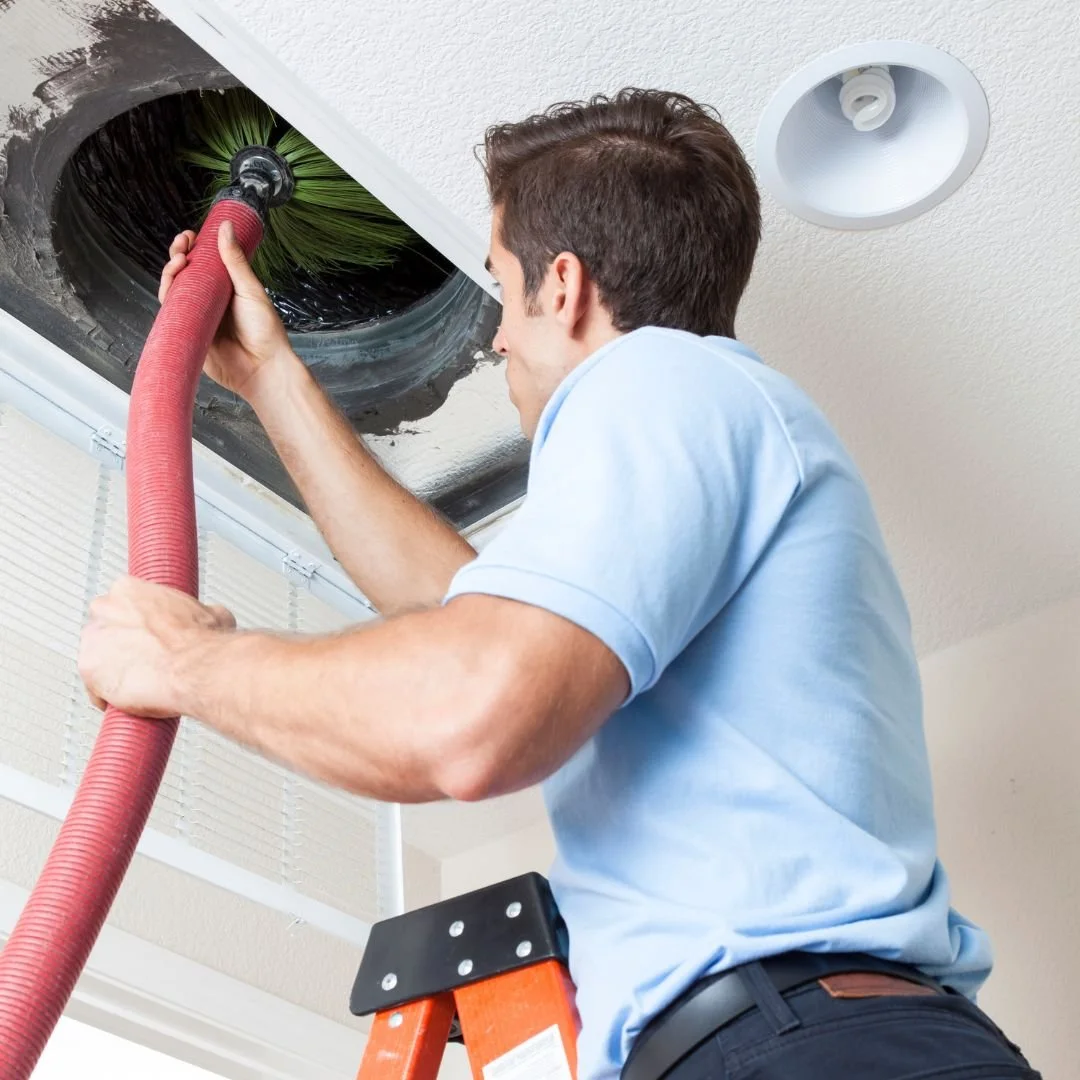


Mold Removal in Air Ducts in Seattle, WA
Breathe cleaner air. Live healthier.
Why Mold Shows Up Inside Air Ducts in Seattle Homes
Seattle has that cool, damp air almost all year. If you’ve lived near Ballard or Capitol Hill, you already know how fast moisture sticks around. That same moisture can slip into your HVAC system. When warm air meets cold metal ducts, water forms. It’s like when your drink sweats on a hot day. That water doesn’t just go away.
Inside air ducts, that damp space becomes a perfect spot for mold to grow. Add dust, pet hair, and a bit of time, and boom—you’ve got a hidden problem. I’ve seen homes near Pike Place Market where the ductwork looked clean from outside, but inside? Black patches, musty smell, and thick buildup.
The EPA talks about this in their guide on mold and indoor air quality. Mold doesn’t need much. Just moisture and a surface. Your ducts give it both.
Sometimes homeowners think, “My house is clean, so my ducts are clean too.” That’s not how it works. Air moves everything around. Even small leaks or humidity can slowly build up inside the system.
5 Star Company
✳︎
Air duct cleaning
✳︎
Beat any price
✳︎
5 Star Company ✳︎ Air duct cleaning ✳︎ Beat any price ✳︎
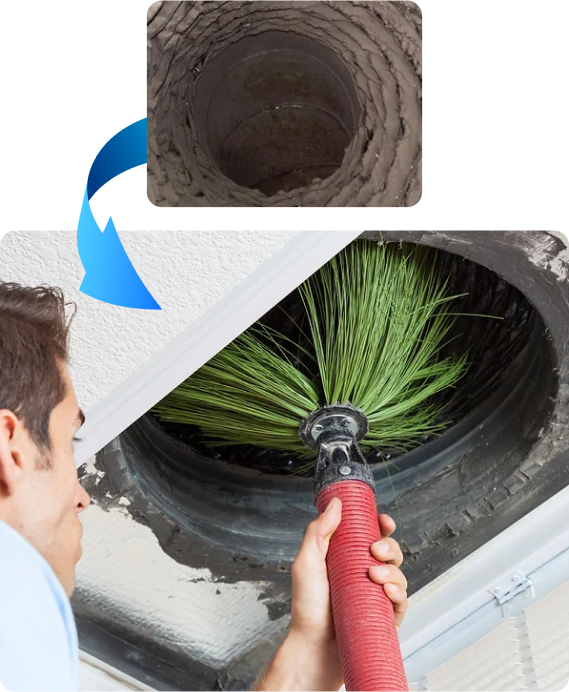
Signs Your Air Ducts Might Have Mold Growth
You don’t always see mold right away. It hides. But your house gives clues. You just gotta pay attention.
One of the first signs is smell. That damp, old-basement smell. I had a customer in Queen Anne who said her house smelled “like wet socks,” even after cleaning everything. Turned out her ducts were full of mold.
Another sign is allergies. Sneezing, itchy eyes, or coughing when the HVAC runs. Some people feel better when they leave the house, then worse when they come back. That’s a big hint.
You might also see dark spots around vents. Not always, but when you do, it’s worth checking deeper. Mold doesn’t always stay at the surface.
The CDC has a helpful breakdown on mold exposure risks in homes. It explains how mold can affect breathing, especially for kids and older adults.
And here’s something people forget—your energy bill. If mold builds up, airflow gets blocked. Your system works harder. Bills go up. It’s sneaky like that.

A Real Story From a Seattle Homeowner Near Green Lake
A few months back, I worked with a family near Green Lake. Nice house, older HVAC system. They called because their baby kept coughing at night. Doctors didn’t find anything serious, but the parents felt something was off.
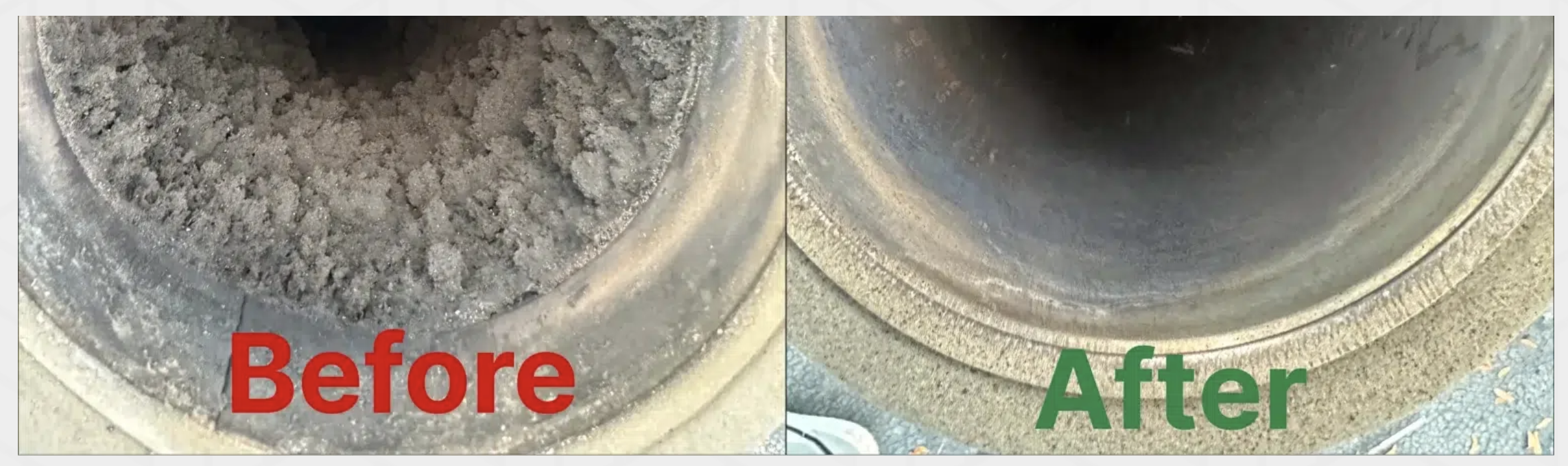
When I checked their vents, I saw light gray dust. Nothing crazy. But deeper in the duct, near a bend, there was thick mold. It looked like dark foam stuck to the metal.
The dad said, “We just had cleaning done last year.” Yeah, but not mold removal. Regular cleaning doesn’t always get deep enough, and it doesn’t treat the source.
We removed the mold, sanitized the system, and fixed a small moisture issue near the crawl space. A week later, they called again—this time just to say the baby was sleeping better. That kind of call sticks with you.
That job reminded me how hidden this problem can be. From outside, everything looked fine.
How Mold Removal in Air Ducts Actually Works
A lot of people think we just vacuum it out. Nope, it’s more than that.
First, we inspect. Not just the vents, but deep inside the system. Sometimes we use cameras to see what’s going on. Every system is a little different.
Next comes containment. We don’t want mold spores spreading into your home while we work. So we seal areas and use negative air pressure.
Then the cleaning starts. Special brushes and tools break up the mold. High-powered vacuums pull it out. After that, we apply a safe treatment that helps stop mold from growing back.
We also check for moisture sources. If you don’t fix the cause, mold comes back. That could be leaks, humidity, or poor airflow.The City of Seattle shares helpful tips about moisture control in homes. It lines up with what we see every day on the job.Sometimes, we find small issues that homeowners didn’t notice. Like a loose duct joint or poor insulation. Fixing those makes a big difference.
Chimney Services and How They Connect to Air Quality
Many Seattle homes have fireplaces. Chimneys and air ducts may seem separate, but they affect the same air you breathe.
If a chimney isn’t clean, it can add moisture and particles into your home. That moisture can move into duct systems. I’ve seen cases in older homes near Beacon Hill where chimney issues made duct mold worse.
That’s why Chimney 360 Services offers both air duct and chimney work. It’s all connected. Clean airflow matters everywhere in your home.
Sometimes we clean ducts and then check the chimney, just to be safe. It’s not always needed, but when it is, it helps a lot.
Seasonal Mold Problems in Seattle (Rainy Months vs Summer)
Seattle weather plays a big role in mold growth. Fall and winter are the worst. Rain comes almost daily, and homes stay closed up tight. Moisture builds fast.
I’ve done jobs in West Seattle where ducts were fine in summer, then full of mold by December. The shift happens quick.
Spring is tricky too. It warms up, but moisture is still in the air. Mold doesn’t go away right away.
Summer is better, but not perfect. Some homes near Lake Union still deal with humidity, especially if ventilation is poor.
One customer in Fremont told me, “We only smell it when it rains.” That’s common. Rain pushes moisture into small spaces, including ducts.
Timing matters. Checking your system before heavy rain seasons can save a lot of trouble later.
Dryer Vent Services and Hidden Moisture Issues
Dryer vents are another hidden source of moisture. If they’re clogged or leaking, warm wet air gets trapped inside walls or near ducts.
I had a job in South Lake Union where a clogged dryer vent caused mold in nearby ductwork. The homeowner had no idea the two were linked.
Dryer Vent Services help keep airflow moving out of your home, not back into it. That reduces moisture and lowers mold risk.
It’s one of those things people forget. You clean your lint trap, sure. But the vent line? That builds up over time.
Keeping that clear helps your whole system, not just your dryer.
Why Local Seattle Knowledge Matters for Mold Removal
Seattle isn’t like other cities. The weather, the homes, even the way duct systems are built—it’s all a bit different.
Homes in older areas like Capitol Hill or Queen Anne often have older ductwork. Sometimes it’s harder to access. Sometimes it holds moisture more.
Newer homes in areas like South Lake Union might have better systems, but tighter sealing. That can trap humidity inside.
Knowing these details helps us do the job right. It’s not just about tools. It’s about understanding the space.
We’ve worked all over Seattle, from Ballard to Rainier Valley. Each area has its own little quirks.
NAP Information and How to Book a Service
If you’re dealing with mold in your ducts, or even if you just suspect it, it’s worth getting it checked.
Chimney 360 ServicesSeattle(206) 618-2443https://www.chimney360services.com/
We’ve helped homeowners all across Seattle deal with mold problems in air ducts, chimneys, and dryer vents. Every home is different, but the goal is always the same—clean air and peace of mind.
Frequently Asked Questions
-
You may smell musty air, see dark spots near vents, or notice allergies when HVAC runs. Seattle’s damp weather makes this more common.
-
It can cause coughing or allergies. Kids are more sensitive, so it’s better to remove mold early to keep indoor air safer.
-
Once a year is a good idea, especially before rainy season. Moisture builds fast in Seattle homes.
-
Small surface dust maybe, but deep mold needs tools and proper treatment. DIY often misses hidden spots.
-
Yes, rain adds moisture to the air. That moisture can settle inside ducts and help mold grow faster.
-
Yes. If dryer vents leak or clog, they trap moisture, which can spread to nearby duct systems.
Get a Free Quote Today
Looking for air duct cleaning near me or duct cleaning services you can trust? Call us now or fill out the form below — we'll get back to you within minutes.
📞 (206) 618-2443 📍 Serving Seattle