
Gas Fireplace Carbon Monoxide Safety Check in Seattle, WA
Why Gas Fireplace Carbon Monoxide Safety Check Matters in Seattle Homes
Seattle gets cold and wet for long months. When the rain keeps tapping the windows and the sky stays gray, people turn on gas fireplaces to stay warm. That warm glow feels nice, but carbon monoxide can sneak out if something is wrong. This gas has no smell and no color. You can sit on the couch and not even know it’s in the room. I’ve seen this happen in homes near Green Lake and Capitol Hill. One family told me they felt tired every night and thought it was just work stress. After a safety check, we found their vent pipe had a loose joint. Carbon monoxide was leaking back inside. We fixed it and the headaches stopped within days.
Carbon monoxide safety is not a joke. The CDC carbon monoxide safety guide for home heating systems explains how even small leaks can hurt people. The City of Seattle also shares gas appliance safety tips through Seattle building safety resources. A Gas Fireplace Carbon Monoxide Safety Check helps catch problems early. It’s like checking your brakes before driving downhill. You don’t see danger right away, but it’s there waiting.
How Our Gas Fireplace Carbon Monoxide Safety Check Works
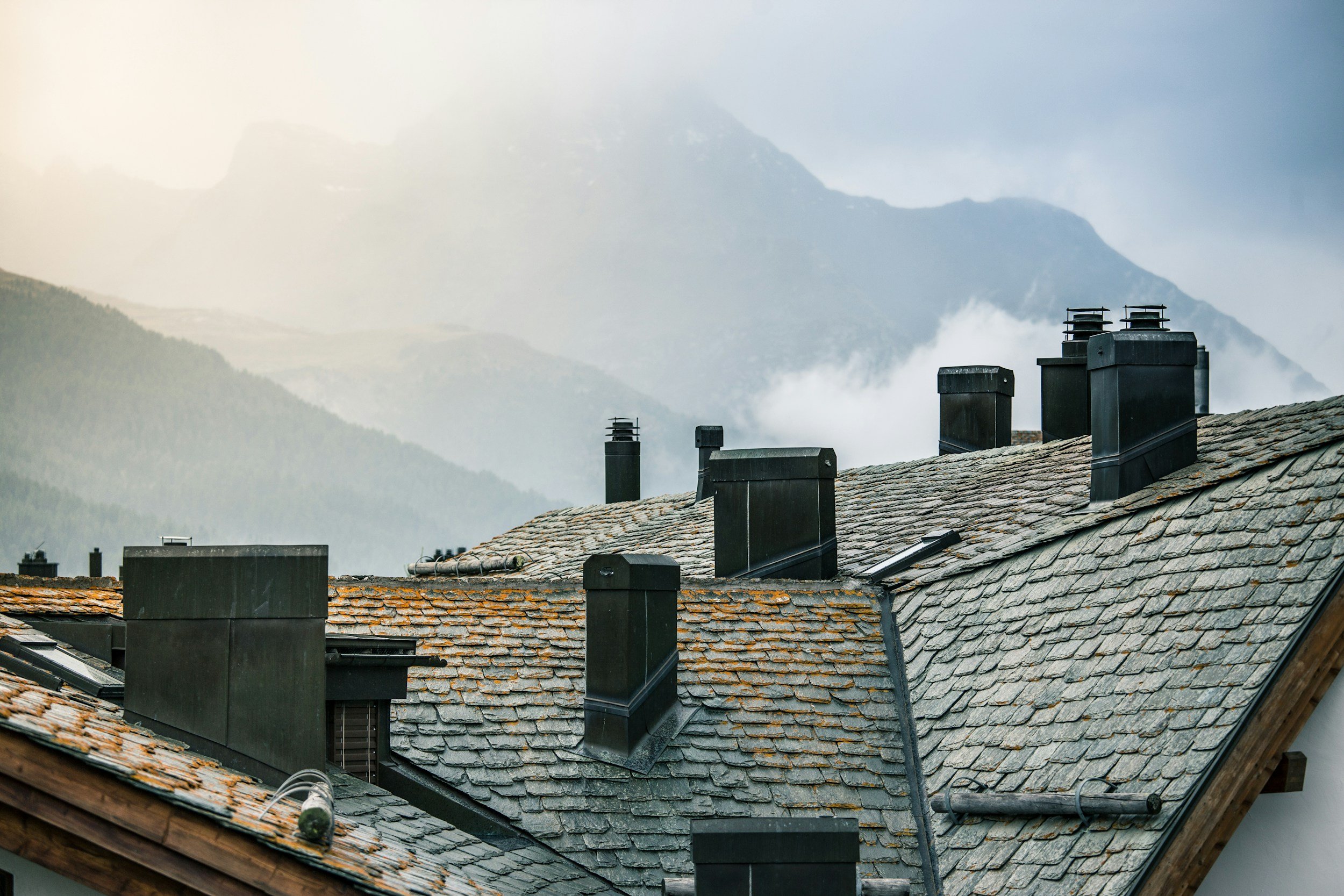
When we arrive, we start with a full fireplace and vent system look over. We inspect the gas line, burner area, vent pipe, chimney liner, and fireplace seals. We use carbon monoxide detectors and airflow tools to check how gases move. In older Seattle homes near Wallingford, vents sometimes tilt because chimneys shift over time. That small tilt can slow airflow and cause gas to drift back inside. We also check nearby rooms to see if any gas smell or odd air movement is present.
After testing, we explain what we found in simple words. No big tech talk. If parts need fixing, we show photos and point out the problem areas. Sometimes the fix is small, like sealing a joint. Other times it’s bigger, like liner repair. We test again after work is done. Homeowners get peace of mind knowing the fireplace is safe to use on cold Seattle nights.
Real Seattle Stories From Carbon Monoxide Safety Visits
One winter morning in Ballard, I visited a family with two young kids. Their carbon monoxide alarm went off twice in one week. They turned off the fireplace and called us. We found the chimney cap was blocked with wet leaves and bird mess. Exhaust gas had nowhere to go. After cleaning and sealing the vent path, the alarm stayed quiet. The mom hugged me before I left. That sticks with you.
Another call came from Queen Anne during a windy storm week. A homeowner said their gas fireplace flame looked strange and weak. We checked and found a cracked vent joint behind the wall. Carbon monoxide levels were rising inside the firebox area. We repaired the joint and tested airflow again. The flame burned steady after that. The homeowner later told us they sleep better now, which is the best review you can get.
Chimney Sweep Services That Support Carbon Monoxide Safety
Our Chimney Sweep service plays a big role in carbon monoxide safety. Dirty chimneys block airflow. Soot, bird nests, and debris slow gas movement. When gas can’t move up fast, it tries to move sideways into living space. I’ve pulled full bird nests out of chimneys near Fremont and University District rentals. After cleaning, airflow improved and safety readings dropped to normal.
Sweeping also helps spot early damage. During cleaning, we find cracked tiles, loose liners, and rust flakes. These small issues grow bigger if ignored. Many Seattle homeowners book chimney sweeping in fall before fireplace season starts. That timing works well because it catches problems before winter use goes heavy.
Masonry Contractor Work That Helps Block Carbon Monoxide Leaks
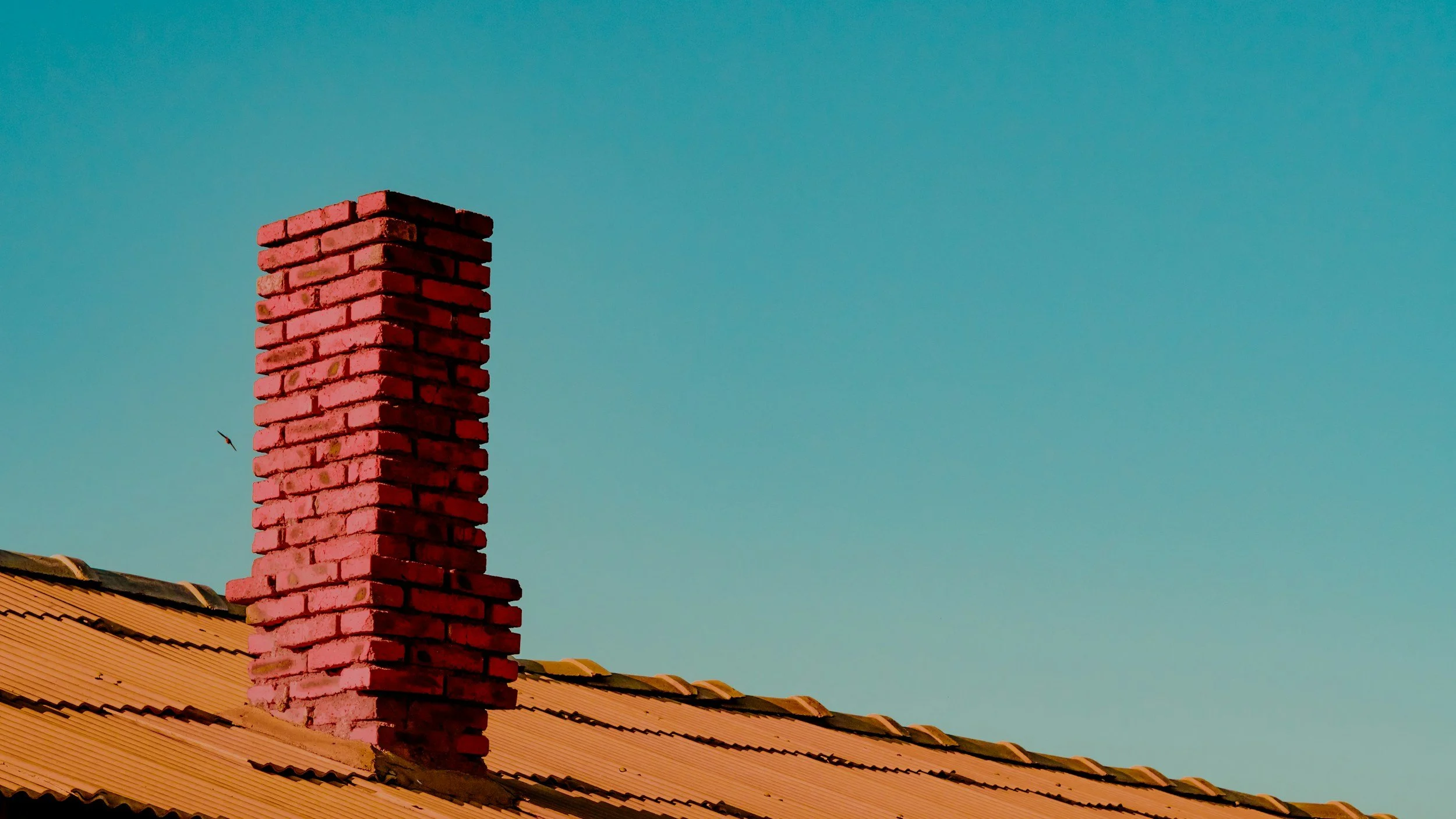
As a Masonry Contractor, we fix chimney cracks, crowns, and brick joints that let outside air and moisture enter. Broken masonry lets cold air push down into the chimney. That pressure can reverse airflow and send gas back into the house. I’ve seen this in West Seattle where wind from the water hits chimneys hard. After masonry repair, airflow became stable again.
Strong masonry also supports vent pipes and liners. When bricks crumble, vent supports loosen. That creates gaps where gas leaks out. We repair brick faces, crown tops, and flashing areas to help keep everything tight. This kind of work protects the gas system and helps carbon monoxide stay where it belongs, outside.
Seattle Weather, Neighborhoods, and Local Risks
Seattle weather makes carbon monoxide safety more tricky. Long rainy seasons soak chimneys and rust metal parts. Cold nights make people close windows tight. Less fresh air inside homes makes gas buildup more risky. In Magnolia and Queen Anne, tall chimneys face strong wind. Wind can push exhaust back down if vent paths are weak. That’s why regular safety checks matter here.
Different neighborhoods have different risks. In Ballard and Alki Beach, salty air speeds rust on vent pipes. In older areas like Green Lake and Wallingford, clay liners crack from age. During big winter storms and after holiday fireplace use, we get many calls. Spring also brings repair season after heavy winter use. Every area has its own pattern, but safety checks help across the whole city.
Pricing, Timing, and What Homeowners Can Expect
Gas Fireplace Carbon Monoxide Safety Check pricing depends on home size, fireplace type, and vent system layout. Most Seattle homeowners find it affordable, especially compared to repair costs from ignoring problems. The visit usually takes under two hours. Larger homes with tall chimneys may take a bit longer. We explain pricing before work starts so there are no surprises.
Appointments are easy to schedule. Most checks finish same day with results shared right away. If repairs are needed, we talk about options and timing. For help, call Chimney 360 Services, Seattle, (206) 618-2443 or visit https://www.chimney360services.com/ to book your safety check.
AREAS WE SERVE
FAQs
-
Rain, cold weather, and tight homes can trap gas. Safety checks help find leaks before they harm people.
-
Once a year is good, especially before winter fireplace season starts.
-
Yes. Even clean fireplaces can leak gas if vents or liners are damaged.
-
Yes. Alarms warn you, but checks stop problems before alarms go off.
-
Most visits take one to two hours depending on chimney size and setup.
-
Yes. Homes stay closed and fireplaces run more, raising risk levels.
