
Chimney Waterproofing
Services in Seattle, Washington
What is Chimney Waterproofing?
Chimney waterproofing is the process of applying protective sealants to your chimney to prevent water from seeping into bricks, mortar, or the chimney crown. Seattle homes, especially older ones, often have porous masonry that absorbs water. When water penetrates the chimney, it can cause spalling bricks, rusted flue liners, and damage to your ceilings or walls.
I remember a house in Capitol Hill where a homeowner complained about water dripping onto their hardwood floor during a winter storm. After inspecting, we found that the chimney crown had small cracks letting water in. Applying a waterproof sealant stopped the leak and saved the floors from further damage.
Waterproofing can be thought of like putting a raincoat on your chimney. It keeps the water out while still allowing the bricks to breathe.
Why Chimney Waterproofing Matters in Seattle
Seattle’s climate makes chimney waterproofing more important than in many other cities. Rain is frequent and heavy, and older homes may not have modern water-resistant materials. Without protection, chimneys can develop:
Cracks in the crown
Deteriorating mortar
Rusted metal components
Mold growth inside the home
For example, in Ballard, a client noticed water stains on the living room ceiling after a storm. Their chimney hadn’t been waterproofed in decades. After sealing the crown and bricks, the leaks stopped, and the family avoided bigger expenses.
Even smaller homes in Green Lake and West Seattle can have water issues. The neighborhoods have lots of older homes with chimneys built before modern waterproofing practices. A little proactive care goes a long way.
How Chimney 360 Services Protects Your Chimney
Our approach is hands-on. We start with a thorough inspection of your chimney, checking bricks, mortar, the crown, and flashing. Then we clean the masonry to remove dirt or loose debris. After that, we apply a high-quality waterproof sealant to prevent water penetration.
In Queen Anne, a homeowner’s chimney had multiple hairline cracks. Using our inspection tools, including moisture meters, we detected hidden damp areas. After waterproofing, not only did the chimney stay dry, but it also prevented energy loss from wet bricks.
We also make sure flashing and caps are in good condition since these are common water entry points in Seattle homes.
How Chimney Flashing Repair Works
Simple Steps:
Repairing chimney flashing involves:
Inspecting the existing flashing for rust, cracks, or separation
Removing damaged or loose flashing
Installing new flashing and sealing edges to prevent water intrusion
We often use stainless steel or copper because Seattle's rain and moss can corrode cheaper metals fast. Proper slope and overlap are key to making flashing work. Washington State University Extension explains how metal and masonry caps prolong chimney life by keeping moisture out.
Problems That Happen When You Ignore Flashing Damage
Skipping flashing repair can lead to:
Water leaks inside walls or ceilings
Rotting roof decking
Mold growth
Damaged fireplace and flue
In Capitol Hill, I saw a home with an unseen flashing leak. Water had rotted rafters and damaged the chimney bricks. Repairing the flashing prevented further damage but repairing the rot was an extra cost.
Chimney Sweep Visits That End With Flashing Repairs
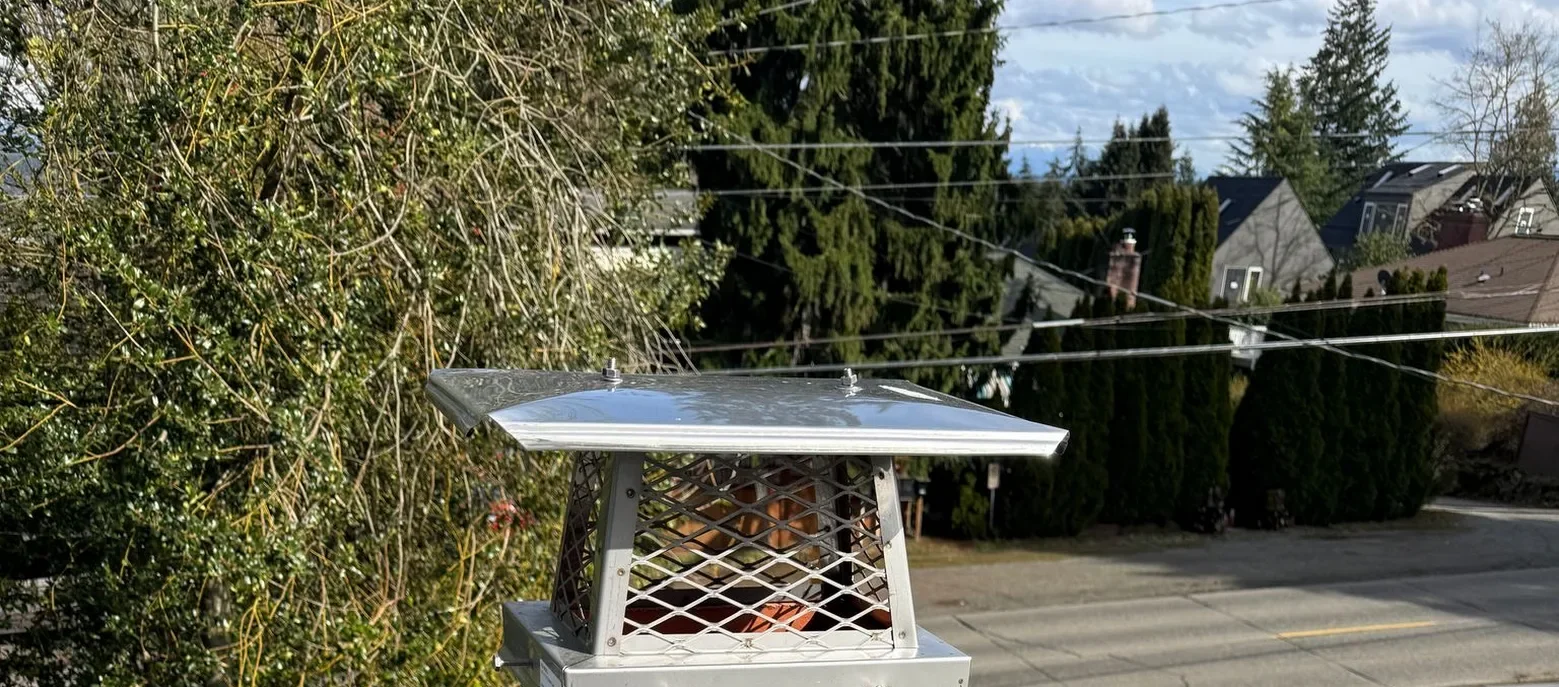
Most flashing repairs start after a chimney sweep. We check flues, sweep soot, and inspect flashing while we’re on the roof.
The Chimney Safety Institute of America highlights flashing as a key defense against water damage (chimney water damage prevention guidance).
Many times, homeowners think their roof is the problem, but it’s actually the chimney flashing.
Flashing Repair Near Green Lake, Queen Anne, and Ballard
Seattle neighborhoods each have quirks:
Green Lake: older homes with mossy chimneys
Queen Anne: tall stacks that catch wind-driven rain
Ballard: trees dropping leaves onto roofs, hiding flashing issues
Installing flashing in these areas is different. Local knowledge matters because every neighborhood has its own weather patterns and home styles.
Seasonal Examples of Chimney Water Damage
In winter:
Heavy rain and melting snow can seep through chimney crowns and damaged mortar. I recall a family in Capitol Hill with a fireplace that leaked during a December storm. They hadn’t noticed cracks before.
In fall:
In places like Crown Hill and Green Lake, leaves fall into chimneys nonstop. A mesh cap helps.
In spring:
Melting ice and leftover winter moisture reveal leaks and cause bubbling paint or damp ceilings. In Ballard, a homeowner noticed small water spots near the mantle. A quick inspection revealed deteriorated flashing.
In summer:
Occasional summer downpours can find small cracks in chimneys, especially on older houses near Gas Works Park. Even minor leaks can damage wood or drywall inside.
I remember a home near Magnolia where a small flashing gap caused water to drip into the attic after a windy winter storm. Early repair saved the homeowner from a much bigger problem.
Customer Stories About Chimney Waterproofing
One story that sticks with me is a family in Green Lake.
Their chimney had been letting water in for a few years, slowly damaging their mantel. They didn’t notice until their hardwood floors started buckling. After a thorough inspection, we applied waterproof sealant and replaced damaged mortar. Months later, they called to thank us because the fireplace was dry during the next big storm.
Another customer in West Seattle noticed water coming into their guest room ceiling near the chimney. Their home was built in the 1920s, so cracks in the chimney were expected. After waterproofing, the leaks stopped, and they could finally enjoy their fireplace safely again.
Stories like these are why many homeowners in Seattle, Ballard, Queen Anne, and Capitol Hill schedule annual chimney inspections and waterproofing checks.
Besides chimneys, we also offer dryer vent cleaning. Seattle’s wet winters make indoor drying common, and lint buildup can cause fires if ignored. We clean vents thoroughly, ensuring proper airflow, reducing fire hazards, and helping dryers work more efficiently.
The City of Seattle Fire Department’s guide on dryer safety emphasizes keeping vents clean for safety, energy savings, and avoiding mold growth.
Other Chimney Services Offered in Seattle
We provide additional chimney services beyond waterproofing:
Chimney sweeping to remove creosote buildup
Crown repair and replacement
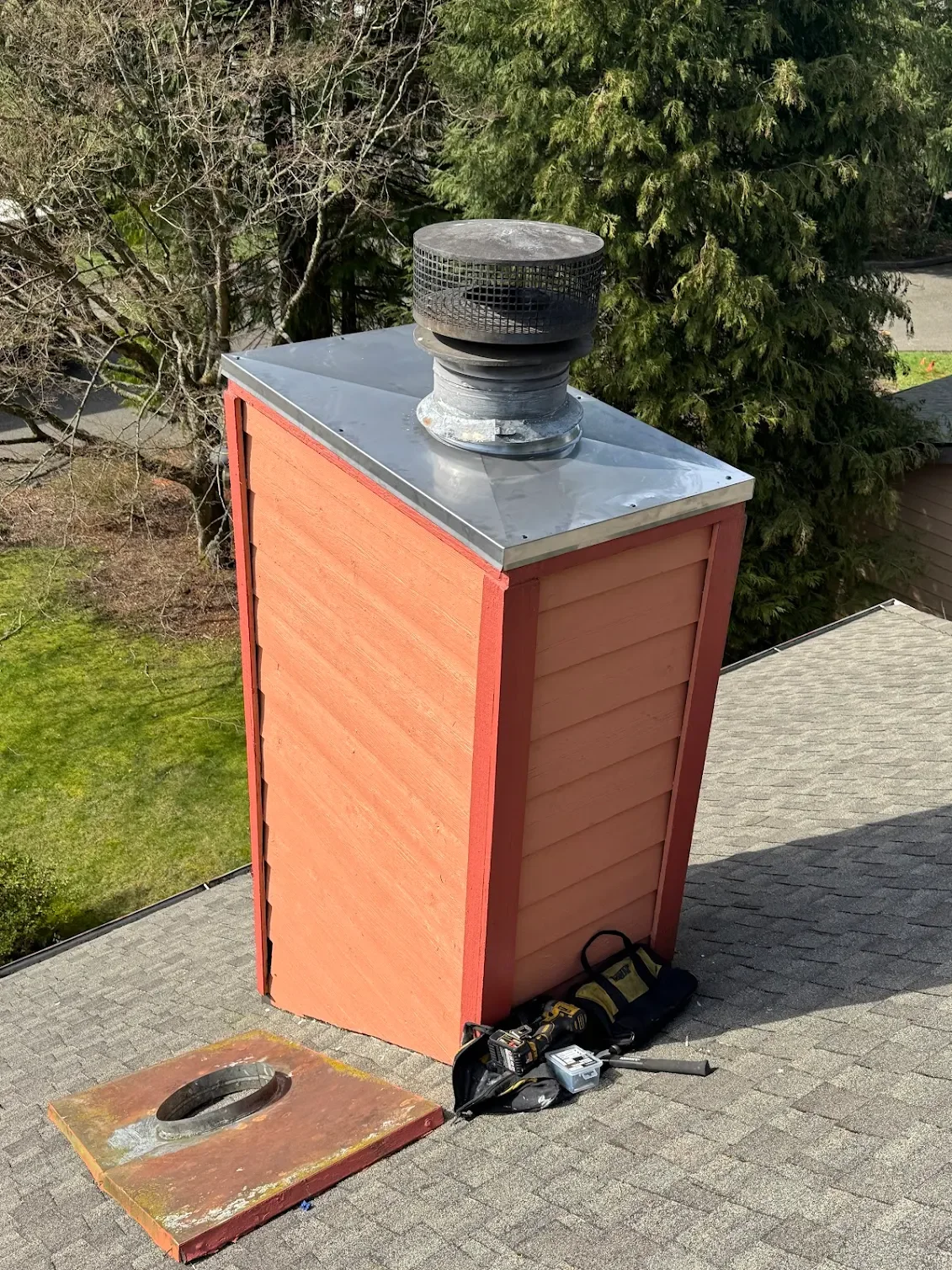
Cap installation and replacement
Mortar and brick repair
Structural inspections
All these services complement waterproofing. For example, a new cap or repaired flashing keeps water out and prolongs your waterproofing. The EPA guide on wood-burning safety offers more tips on maintaining your chimney safely.
Landmarks, Areas, and Local Spots Where We Work
Serving Seattle and areas listed:
Auburn, Bellevue, Bothell, Burien, Des Moines, Edmonds, Everett, Federal Way, Issaquah, Kenmore, Kent, Lake Forest Park, Lynnwood, Mercer Island, Mountlake Terrace,
Redmond, Renton, Sammamish, Shoreline, Tacoma, Tukwila, Woodinville, pretty much all the places where fireplaces are older and need more love.
FAQs
-
Look for water stains, damp bricks, or peeling paint. Seattle’s frequent rain can reveal leaks quickly.
-
Yes, it stops water from seeping in, preventing cracks, mold, and wood damage.
-
Every 2–3 years is typical, especially before rainy winter months.
-
Yes, Chimney 360 Services works in all Seattle neighborhoods, including Ballard, Queen Anne, Green Lake, and West Seattle.
-
No, you can use your fireplace immediately. The sealant dries quickly and doesn’t block airflow.
-
It helps, but flashing repairs may also be needed for complete protection.
-
Yes, we use gentle sealants designed for historic and modern masonry without causing damage.
