
Masonry Firebox Repair in Seattle by a Local Masonry Contractor
Why Masonry Firebox Repair Matters in Seattle Homes
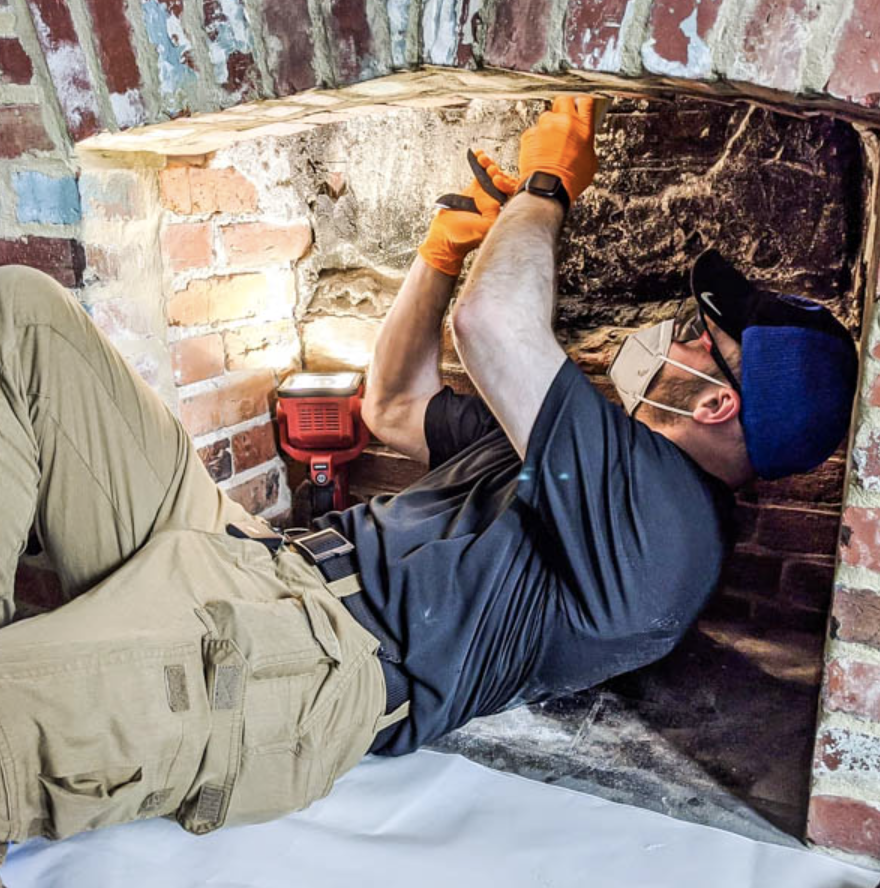
The firebox is where the fire lives. It takes the heat, the sparks, the popping wood. When it breaks down, the whole fireplace feels off. Masonry Firebox Repair is not fancy work, but it keeps homes safe.
Seattle homes use fireplaces a lot. Long wet winters push people inside. Fires burn for hours. Over time, brick cracks. Mortar turns dusty. Heat finds tiny paths and starts chewing at the walls.
I’ve been inside fireboxes in Wallingford that looked like they survived a small war. Bricks split. Gaps wide enough to slide a finger in. The homeowners had no idea. They thought the black stains were normal.
What a Firebox Is and Why It Takes So Much Damage
The firebox is the inner chamber of the fireplace. It’s built from firebrick and special mortar. That stuff handles heat better than regular brick, but nothing lasts forever.
Each fire pushes heat into the walls. Then the fire cools. Heat up. Cool down. Over and over. That movement cracks mortar.
In older Seattle homes, fireboxes were built decades ago. Materials were good for their time, but age catches up. Masonry Firebox Repair replaces weak spots before fire reaches framing.
Common Firebox Problems Found in Seattle Fireplaces
Cracked firebrick shows up first. Then mortar gaps. After that, brick starts shifting.
In Ballard, I’ve seen fireboxes with missing mortar lines. Flames licked into the gaps like water finding cracks in a sidewalk.
In Queen Anne, tall chimneys pull strong drafts. Fires burn hotter. That extra heat breaks down fireboxes faster.
Black soot lines can hide cracks. You don’t see them until a Chimney Sweep cleans it out.
Real Masonry Firebox Repair Stories From Seattle
Green Lake Family Fireplace
A Green Lake family called after smelling smoke upstairs. During inspection, the firebox had cracked corners. Smoke leaked into the wall cavity. Masonry Firebox Repair stopped it before drywall damage.
Capitol Hill Rental Unit
A rental near Capitol Hill had loose firebrick falling forward. Tenants kept using it. We rebuilt the firebox floor and back wall. The owner said insurance would’ve dropped him if it kept going.
Magnolia View Home
In Magnolia, wind pushes fires hard. One firebox had burned mortar so thin it looked like chalk. After repair, the fire burned calmer and quieter.
Seasonal Wear and Tear on Fireboxes in Seattle
Fall starts it all. First fire of the season shows cracks. People hear popping sounds they never noticed before.
Winter pushes fireboxes to their limit. Long burns, stacked logs, high heat. Cracks widen.
Spring shows the damage. Ash hides gaps all winter. Once cleaned, problems appear.
Summer is repair season. Dry weather helps mortar cure right. Masonry Firebox Repair done in summer lasts longer.
How Masonry Firebox Repair Is Done Step by Step
First comes inspection. Light, mirror, sometimes camera. We tap bricks and listen.
Next is cleaning. Loose mortar and ash come out. Chimney Sweep work helps here.
Damaged bricks get removed. New firebrick goes in. High-heat mortar fills joints.
We smooth the surface and let it cure. Then a test fire checks heat movement.
Why Hiring a Local Seattle Masonry Contractor Matters
Seattle chimneys face rain, wind, and long burn seasons.
Homes near Puget Sound see moisture damage. Hilltop homes face wind draft issues.
A local Masonry Contractor knows these patterns. We’ve seen fireboxes fail in the same ways across neighborhoods.
Everyday Masonry Firebox Repair in Seattle Homes
We work in basements, living rooms, old craftsman homes, and modern builds.
We see soot-stained brick and broken joints daily.
Chimney 360 Services
Seattle
(206) 618-2443
https://www.chimney360services.com/
Masonry Firebox Repair keeps fires where they belong and homes safe year after year.
Firebrick handles heat better, but it still cracks. Mortar breaks down faster.
In Fremont homes, I’ve seen regular brick used in fireboxes. That fails fast. Masonry Firebox Repair replaces wrong materials with proper ones.
Heat damage looks like spiderweb cracks or soft mortar. Press it with a finger and it crumbles.
The Chimney Sweep Role in Firebox Repair
Chimney Sweep work often finds firebox damage first. Cleaning removes soot that hides cracks.
We sweep, inspect, then repair. Many Seattle homes bundle both services.
Dirty fireboxes hide problems. Clean ones show the truth.
Firebox Repair and Home Fire Safety
Broken fireboxes let heat escape into walls. Wood framing doesn’t like that.
Seattle Fire Department talks about fireplace safety and structure fires (Seattle fireplace fire safety tips).
Masonry Firebox Repair puts the heat back where it belongs. Inside the box.
I’ve seen charred studs behind fireboxes. Homeowners had no clue. Repair stopped bigger trouble.
Insulation Contractory Issues Near Fireboxes
Insulation Contractory problems show up around fireplaces. Old insulation sits too close to fireboxes.
In Northgate attics, we found insulation touching masonry. Heat transfer dried it out and made it brittle.
Firebox repair often leads to insulation fixes. Both matter for safety.
Brick, Mortar, and Heat Damage Inside Fireboxes
FAQs
-
Cracks, loose brick, or smoke smell inside mean the firebox may be damaged.
-
Yes. Many older fireplaces used materials that break down after years of heat.
-
Small cracks grow fast. Using it can push heat into walls.
-
Yes. A solid firebox helps smoke rise instead of spill forward.
-
Yes. Dry weather helps mortar set strong and clean.
-
Yes. Chimney Sweep work clears soot so cracks show clearly.
