
Chimney Relining for Heat Efficiency in Seattle, WA
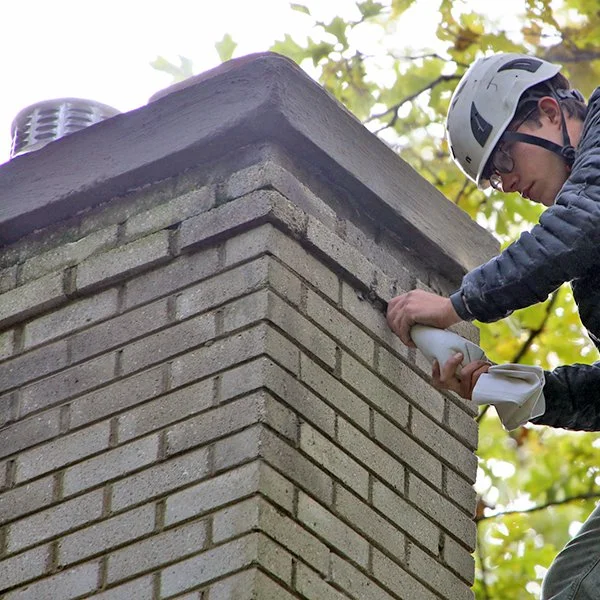
What Chimney Relining for Heat Efficiency Means for Seattle Homes
Chimney relining for heat efficiency is about fixing the inside pipe that carries smoke and hot air out of your home. That inside pipe is called the liner. When it cracks, rusts, or falls apart, heat escapes into walls and attic spaces. That wasted heat makes homes colder and heaters work harder.
I’ve been working as an insulation contractor in Seattle for years. One thing I keep seeing is old chimneys built before modern liners were standard. Many homes in Queen Anne, Capitol Hill, and Beacon Hill still have clay tile liners that are chipped and broken. Those cracks let heat leak and smoke cool too fast. When smoke cools fast, it slows down and causes backdrafts.
Relining adds a new smooth pipe inside the chimney. That new liner holds heat better and keeps smoke moving upward. The result is warmer rooms and cleaner airflow. It’s like putting a warm coat inside the chimney.
Seattle winters are wet and chilly. When the liner works right, your fireplace does real work instead of acting like a heat vacuum.
How Chimney Liners Help With Insulation and Heat Control
Heat Stays Inside the Flue
A good liner keeps heat inside the flue. Without it, heat spreads into brick and framing. That’s wasted energy. I once checked a home near Green Lake where attic insulation felt warm near the chimney chase. That told me heat was escaping through the liner gaps.
Faster Smoke Flow
Warm smoke rises fast. When liners hold heat, smoke moves upward better. That keeps smoke out of living rooms and helps fires burn cleaner.
Fire Safety Support
Liners protect chimney walls from direct flame heat. That lowers fire risk inside walls. According to EPA fireplace safety and venting guidance, proper venting systems lower indoor air problems. Chimney liners play a big part in that.
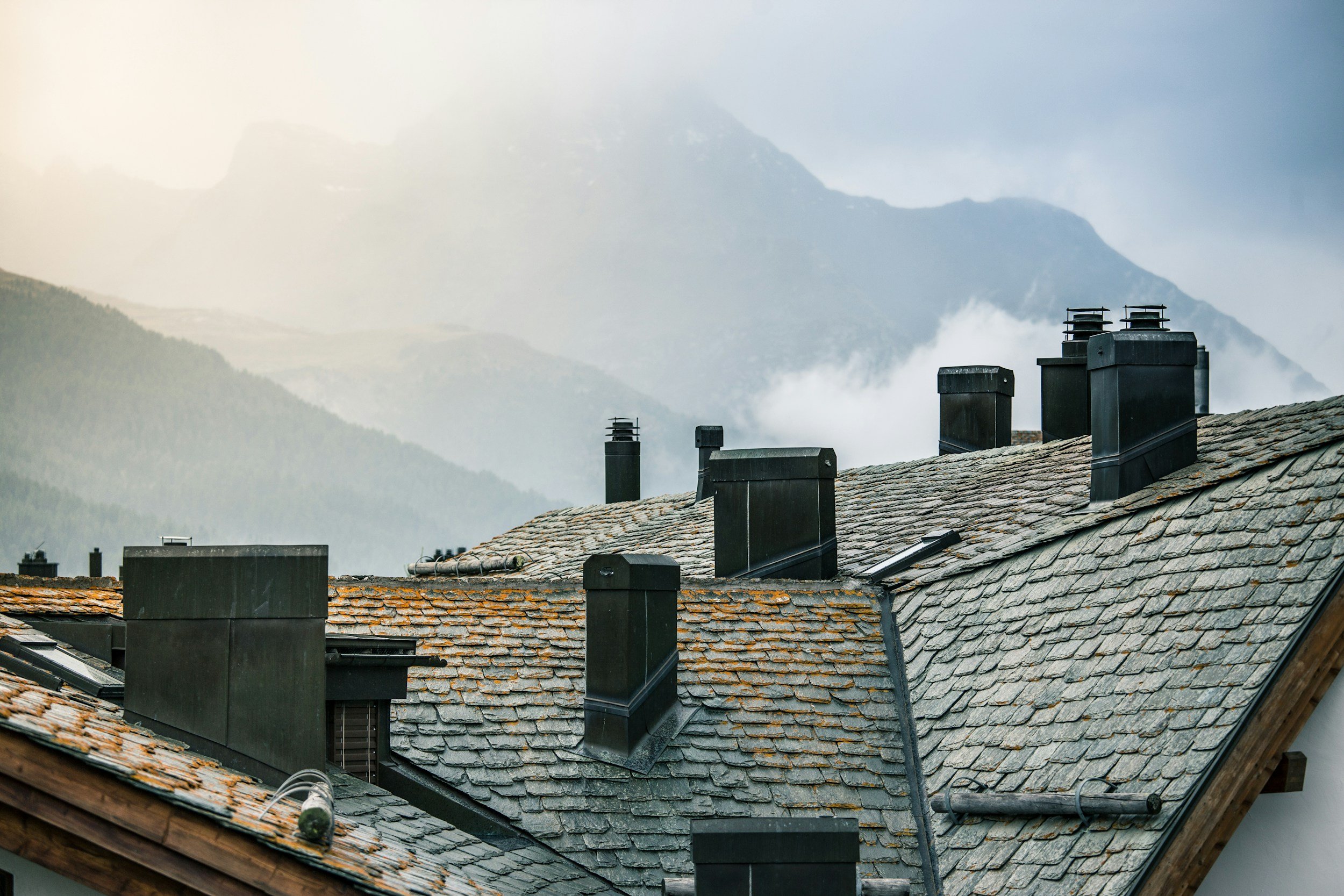
Why Seattle Weather Damages Old Chimney Liners
Rain and Moisture Damage
Seattle rain finds its way into chimneys. Broken caps and crowns let water drip down liners. Clay liners soak water and crack when cold weather hits. Metal liners rust if water sits too long.
Cold Air Pressure
Cold outside air pushes down chimneys at night. That pressure messes with airflow and cools liners fast. Homes near Northgate and Shoreline feel this more because wind travels easy in those areas.
Salt Air Near Puget Sound
Homes in Magnolia and West Seattle deal with salty air. Salt speeds up metal rust and mortar wear. That damage reaches liners too.
Seattle Department of Construction & Inspections moisture control tip talk about how water damages building parts. Chimneys take that hit year after year.
Signs Your Chimney Needs Relining
Smoke Coming Back Inside
If smoke drifts into your room, liner damage could be part of the problem. Poor liners cool smoke too fast.
Strong Fireplace Smell
A bad liner lets smoke gases leak into walls. That smell sticks around even when the fire is out.
Cracked Clay Pieces in Firebox
Finding broken clay bits in the firebox is a clear sign the liner is falling apart.
Cold Drafts From Fireplace
Cold air coming down the chimney opening means liner insulation is failing.
Real Customer Stories From Seattle Neighborhoods
Queen Anne Brick Home Story
A homeowner near Kerry Park called us because smoke kept puffing into their living room. During inspection, we found heavy soot buildup and rough mortar edges inside the smoke chamber. After cleaning, smoothing, and insulation sealing, airflow improved. The owner later said fires started faster and smoke smell stopped.
Green Lake Family Story
This family used their fireplace daily in winter. They noticed their house stayed cold even with fires going. We inspected the smoke chamber and found heat leaking into the attic area. After insulation upgrades and chamber sealing, the living room warmed quicker. The dad told me he stopped wearing a hoodie indoors.
West Seattle View Home Story
A West Seattle homeowner with ocean view complained about rust smell and smoke. Salt air had damaged mortar inside the smoke chamber. We repaired masonry and improved insulation barrier. After that, airflow got stronger and odor dropped fast.
Real Customer Stories From Seattle Neighborhoods
Ballard Craftsman Home Story
A family in Ballard called us after noticing black dust around the fireplace. We inspected and found cracked clay liners. Heat was leaking into the wall cavity. After relining, airflow improved and the fireplace wall felt warmer. The homeowner said their living room stayed cozy longer at night.
Capitol Hill Rental Property Story
A landlord near Broadway complained tenants smelled smoke upstairs. We found liner gaps letting smoke leak sideways. After installing a new liner, the smell stopped. The landlord said tenant calls dropped a lot.
West Seattle View Home Story
This homeowner had ocean air hitting their chimney daily. The metal liner was rusting. After replacing with stainless steel liner made for coastal air, heat retention improved and rust smell went away.
Seasonal Chimney Liner Problems in the Pacific Northwest
Fall Fireplace Start-Up Trouble
When fireplaces wake up in fall, liner damage shows fast. Smoke backflow, poor draft, and odor appear. Relining before heavy use helps stop that.
Winter Heavy Use Stress
Winter fires heat liners many times a week. Weak liners crack more. Homes in Fremont and Wallingford with older chimneys show this fast.
Spring Moisture Problems
Spring rain fills unused chimneys with moisture. That water sits in liner cracks and rust spots. Over time, damage grows bigger.
University of Washington building heat movement research shows how warm air escapes through unsealed paths. Chimney liners are a big path when damaged.
Our Chimney Relining Process Step by Step
Step 1: Full Chimney Inspection
We use cameras to inspect liner walls from top to bottom. We look for cracks, rust, and blockages.
Step 2: Old Liner Prep
If clay liners are broken, we remove loose parts. We clean the flue so new liner fits well.
Step 3: New Liner Install
We install stainless steel or insulated liners depending on fireplace type. Insulated liners hold heat better and last longer.
Step 4: Final Airflow Test
We test smoke movement to confirm strong draft and heat flow.
Chimney Sweep Services That Support Relining Work
Chimney sweeping helps relining work succeed. Soot and creosote stick to liner walls. That buildup hides cracks and weak spots. Sweeping removes that layer so new liners fit clean.
In Seattle’s damp air, creosote stays sticky. Homes near University District rentals often need extra cleaning because of heavy fireplace use.
After sweeping, airflow improves and new liners stay cleaner longer.
Masonry Contractor Repairs That Protect New Liners
Relining sometimes needs masonry repair first. Broken crowns, loose bricks, and bad mortar joints let water reach the liner. Masonry contractor repairs seal those weak spots.
Homes near Pioneer Square and First Hill often need this because of older brick chimneys. After masonry work, new liners stay dry and work better.
Energy Use, Heating Bills, and Home Comfort
Relining helps heat efficiency. When liners hold heat, warm air stays inside living spaces longer. That lowers heater use.
One North Seattle homeowner tracked energy use after relining and said winter heating bills dropped a bit. Even small drops help during long cold seasons.
Comfort improves too. Cold drafts from fireplaces drop. Living rooms stay warm longer after fires burn out. That makes winter nights better.
Why Seattle Homeowners Call Chimney 360 Services
People call Chimney 360 Services because we deal with Seattle chimneys every day. We know rain, salt air, and old brick problems.
Our local contact info stays simple:
Chimney 360 Services
Seattle, WA
Phone: (206) 618-2443
Website: https://www.chimney360services.com/
We’ve worked near Pike Place Market condos, homes by Discovery Park, and houses around Green Lake. Each place has different chimney issues, but relining for heat efficiency helps all of them.
Customers like our clear talk. We show photos, explain fixes in simple words, and do clean work.
AREAS WE SERVE (MAP)
FAQs
-
Yes. New liners hold heat inside the flue so less warmth escapes into walls and attics.
-
Most stainless steel liners last 15–20 years with normal fireplace use.
-
Yes. Rain and moisture crack clay liners and rust metal ones over time.
-
Yes. It seals gaps where smoke leaks into walls and rooms.
-
No. Most jobs finish in one day with minimal dust and cleanup.
-
Yes. Many older chimneys have worn clay liners that need upgrades.
