
Dryer Vent Cleaning & Chimney Safety Check in Seattle
Why Dryer Vent Cleaning & Chimney Safety Check Matters in Seattle Homes
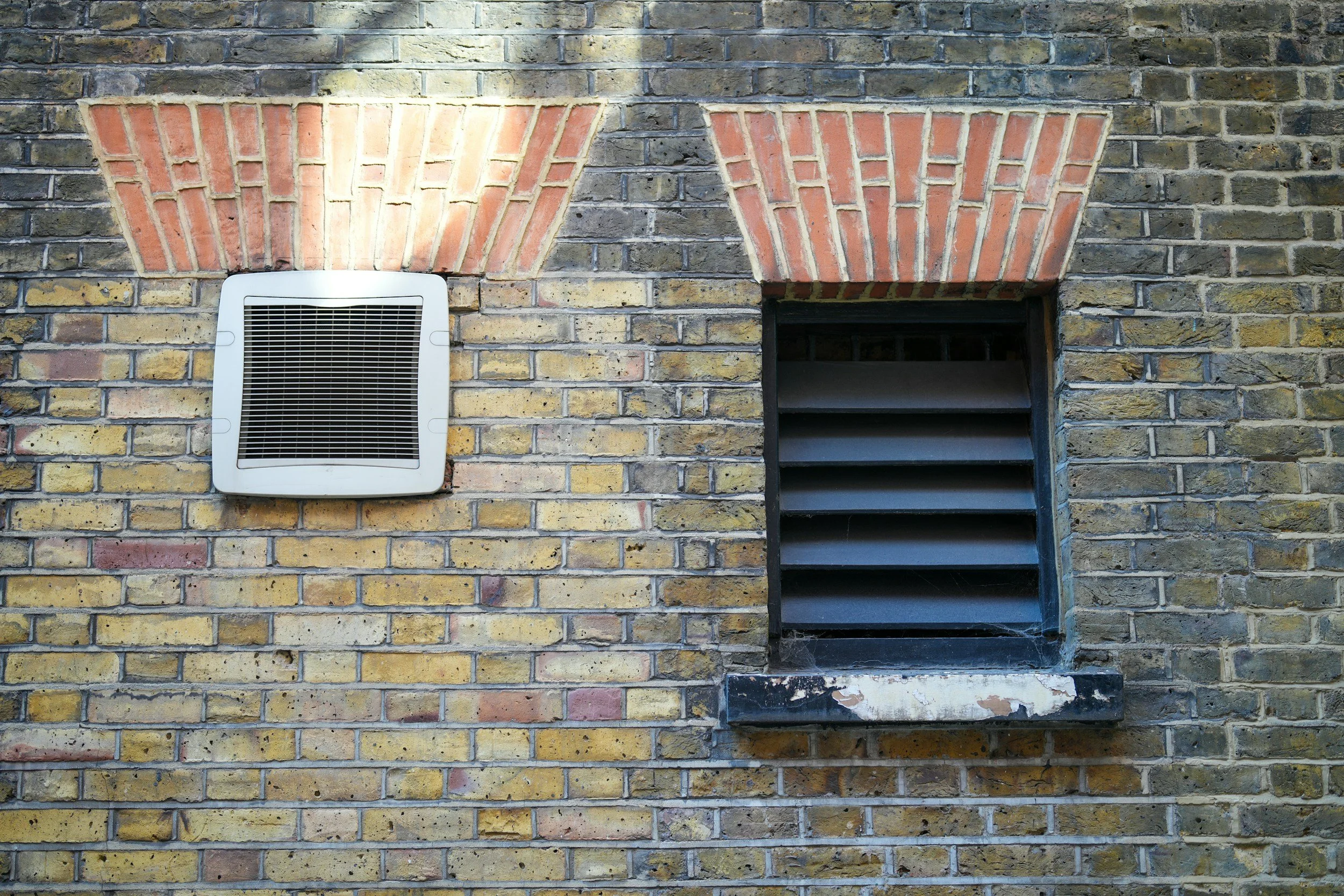
Seattle homes deal with a lot. Rain. Cold air. Wind blowing leaves and dirt into places they don’t belong. Over time, all that stuff finds its way into dryer vents and chimneys. And when it builds up, it can cause problems you don’t always see right away.
Dryer vents get clogged with lint. Chimneys get filled with soot, creosote, even small debris. When airflow slows down, heat builds up. I’ve seen dryers take two or three cycles just to dry a small load. That’s not normal. And worse, that heat can lead to fires.
The U.S. Fire Administration talks about how dryer fires happen every year, mostly because of lint buildup. You can read more in this dryer fire safety guide for Seattle homeowners. It’s simple stuff, but many people skip it.
Same with chimneys. According to the Chimney Safety Institute, dirty chimneys are one of the main reasons house fires start in colder months. Their chimney safety tips for Seattle homes explain how fast creosote can build up.
So yeah, this service is not just cleaning. It’s safety. Real safety.
A Real Story From a Rainy Day in Ballard
I remember one job in Ballard. It was pouring rain, like always. The homeowner said their dryer smelled weird. Kind of burnt, they said. But the dryer still worked, so they didn’t think much of it.
We checked the vent. It was packed. Like, full. Thick lint all the way through. Some parts were damp from moisture, making it worse. The airflow was almost gone.
Then we checked the chimney. Same story. Creosote stuck to the walls, dark and sticky. If they kept using the fireplace, that could’ve turned bad real quick.
After cleaning both, the difference was instant. Dryer worked faster. No smell. Fireplace was safe again.
The homeowner told me later, “I wish I called sooner.” I hear that a lot.
How Lint and Soot Build Up Over Time
Dryers create lint every time you run them. Even if you clean the lint trap, some of it escapes. It travels through the vent line and sticks to the walls.
Now add Seattle weather. Moist air makes lint clump together. It gets heavy and sticks even more. Over months, it builds into thick layers.
Chimneys are kinda the same. Every fire leaves behind soot. If wood is not fully dry, it makes more creosote. That stuff sticks and builds up like tar.
Over time, these systems go from clean and open… to blocked and risky.
Signs Your Dryer Vent or Chimney Needs Help
Here are some simple signs I tell customers to watch:
Clothes take too long to dry
Dryer feels very hot
Burning smell during use
Lint around the outside vent
Smoke backing into the room
Fireplace not drafting well
Black flakes inside chimney
One customer in Capitol Hill said their dryer was “just old.” Nope. It was clogged. After cleaning, it worked like new again.
Sometimes it’s not the machine. It’s the path the air takes.
What Happens During a Dryer Vent Cleaning & Chimney Safety Check
Seasonal Problems in Seattle (Rain, Cold, and Wind)
Air Duct Services
Chimney Services
Why Locals Call Chimney 360 Services
When we show up, we don’t just clean and leave. We check everything.
For dryer vents:We remove lint from the full vent line. We check airflow. We look at the outside vent cap too. Sometimes birds build nests there, yeah it happens.
For chimneys:We inspect the inside walls. Remove soot and creosote. Check for cracks or damage. Make sure smoke flows out the right way.
We also talk to you. Show you what we find. No big words. Just real talk.
If you want to learn more about indoor air and safety, this EPA indoor air quality guide for Seattle homes is a good place.
Seattle weather plays a big role in all this.
In winter, people use dryers more. Wet clothes from rain, right? That means more lint. More buildup.
Fireplaces also get used a lot in cold months. That leads to faster creosote buildup.
In fall, leaves and debris can block outside vents. I’ve pulled out some wild stuff. One time, even a small bird nest in Queen Anne.
Spring brings moisture. That makes lint damp and sticky. Harder to remove if left too long.
So timing matters. Many homeowners call us before winter. Smart move.
Air ducts move air through your home. If they get dirty, that dust spreads everywhere.
While doing dryer and chimney work, we sometimes check nearby ducts too. If they look bad, we let you know.
Dirty ducts can carry dust, allergens, and even mold spores. In a damp place like Seattle, that happens more than people think.
Clean ducts mean cleaner air. Simple as that.
Chimney work is just as important.
We clean out soot and creosote. We also check if the chimney liner is okay. If there are cracks, smoke and heat can escape into walls. That’s not good.
One homeowner in Magnolia had no idea their chimney was blocked halfway. Smoke was slowly backing up inside. They thought it was just “normal fireplace smell.”
After cleaning, the air felt different. Cleaner.
Chimneys need care, even if you don’t use them daily.
We keep things simple. No long speeches. No pressure.
We show up. We clean. We explain what we see.
Business Name: Chimney 360 Services
Location: Seattle
Phone: (206) 618-2443
Website: https://www.chimney360services.com/
We’ve worked in homes near Lake Union, Beacon Hill, and even close to the University of Washington.
A lot of our calls come from referrals. One neighbor tells another. That’s how it grows.
One customer told me, “You guys talk normal. Not like sales people.” I guess that stuck with me.
Landmarks, Areas, and Local Spots Where We Work
FAQs
-
Most homes in Seattle should do it once a year. Rain and moisture make buildup faster. If you use your dryer a lot, maybe sooner.
-
Moist air makes lint stick inside vents. That blocks airflow. Cleaning the vent usually fixes the problem fast.
-
Yes. Even low use can still build soot. Also, debris can fall in. A quick check keeps it safe.
-
Yes. Lint burns easy. If heat builds up and airflow is blocked, it can start a fire.
-
Yes, kinda. The rain and damp air make lint clump more. That leads to faster blockages.
-
Usually 1 to 2 hours. Depends on the size of your home and how clogged things are.
