
Dryer Vent Odor Removal in Seattle – Fresh Air Starts at Home
Why Dryer Vent Odor Happens More Often Than You Think
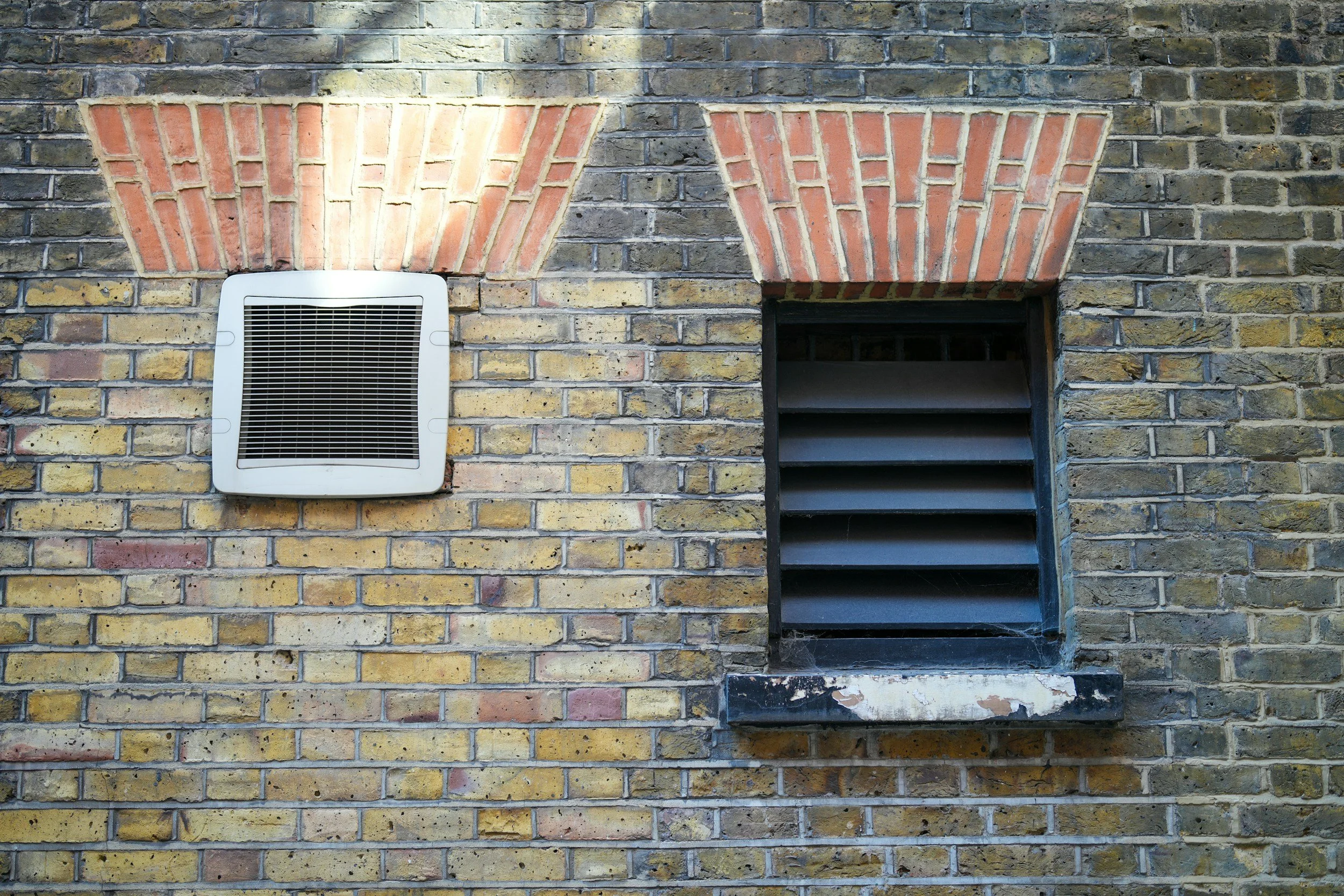
Real Stories From Seattle Homes With Smelly Dryer Vents
Dryer vent odor removal is one of those things people don’t think about… until the smell hits them. It’s not just lint. It’s damp lint, trapped heat, dust, and sometimes even mold. When all that builds up, it starts to smell like wet socks, old clothes, or even something burning.
In a place like Seattle, moisture is a big deal. Rain sticks around, air stays damp, and dryer vents don’t dry out like they should. I’ve walked into homes where the laundry room smelled fine at first, then boom—you open the dryer door and that smell hits hard.
One customer told me, “I thought my clothes were just old.” Turns out, it wasn’t the clothes at all. It was the vent holding onto months of trapped moisture.
And here’s the thing—odors don’t just sit there. They move back into your dryer and onto your clothes.
I remember a job near Green Lake. A family said their towels smelled worse after drying. That’s always a red flag. We checked the vent, and it was packed with damp lint. Not just dusty—wet and clumped together.
Another time in Ballard, a customer said their laundry room smelled like a basement. They had just moved in and thought it was normal. Nope. The vent hadn’t been cleaned in years. Once we did a full dryer vent odor removal, the smell was gone the same day.
There was also this house near Pike Place Market. Small condo, tight vent system. The owner kept using dryer sheets to “fix” the smell. It didn’t work. Those just covered it up. The real problem was deep inside the vent line.
These stories aren’t rare. They happen all over Seattle, in apartments, townhomes, and big houses
How Dryer Vent Odor Removal Works Step by Step
Dryer vent odor removal isn’t just brushing lint out. It’s more detailed than that.
We start by checking airflow. If air isn’t moving right, smells build up fast. Then we inspect the full vent line—from the dryer to the outside exit.
Next, we remove all lint buildup. Not just loose lint, but the packed stuff stuck to the walls of the vent. That’s where odor lives.
After that, we treat the vent to remove odor-causing bacteria and moisture. This step makes a big difference. Some jobs smell clean right away.
We also check the vent cap outside. In Seattle, rain can get in if that cap isn’t working right. That adds to the smell problem.
If you want to learn more about indoor air problems tied to vents, check this EPA indoor air quality guide for dryer vent systems.
Seasonal Problems in Seattle That Make Odors Worse
Seattle weather plays a big role here.
In winter, everything stays damp. Dryer vents don’t fully dry out, so lint turns into this sticky, smelly mess. It’s kinda like wet cardboard.
Spring brings pollen and dust. That mixes with lint and creates a musty smell.
Summer is better, but if the vent is already dirty, heat can actually make the smell stronger.
Fall? Leaves and debris can block outside vents. That traps air and keeps moisture inside.
I’ve seen vents near Queen Anne clogged with wet leaves. The smell inside the home was strong, like a mix of dirt and mildew.
The CDC also talks about how moisture can lead to mold issues in homes—see this CDC mold and dampness guide for home ventilation.
Neighborhood Spots in Seattle Where We See This a Lot
Some areas in Seattle have more odor problems than others.
Capitol Hill has older buildings. Older vents mean more buildup and more smell.
Fremont homes often have longer vent lines. The longer the vent, the more chances for lint to collect.
West Seattle gets a lot of coastal air. That moisture adds to the problem.
In South Lake Union, newer condos still get odor issues because vents are shared or tightly packed.
Even near the Space Needle, we’ve handled jobs where vents were blocked or poorly installed.
Each neighborhood has its own quirks, but the problem is the same—trapped lint and moisture.
How This Service Connects to Chimney Services
Dryer vent odor removal might sound separate, but it connects closely to chimney services.
Both deal with airflow and exhaust systems. If air isn’t moving out properly, problems build up fast.
At Chimney 360 Services, we often see homes where chimney drafts and dryer vents both need attention. One affects the other more than people think.
For example, poor airflow in one system can hint at bigger ventilation issues in the home. Fixing both helps air move better overall.
How This Service Connects to Air Duct Services
Simple Tips to Keep Your Dryer Smelling Clean Longer
Why Local Experience Matters for Seattle Homes
Call Chimney 360 Services for Dryer Vent Odor Removal in Seattle
Signs Your Dryer Vent Needs Odor Removal Right Now
Some signs are easy to miss.
If your clothes smell worse after drying, that’s a big one.
If your laundry room smells damp, even when nothing is wet, that’s another.
Dryer taking longer to dry? That can mean airflow is blocked.
You might even smell something like burning dust. That’s not good.
I had one customer near University District who said their dryer “just felt off.” Turns out, the vent was almost fully blocked.
If you notice any of these signs, it’s time to act.
Air duct services also tie into dryer vent odor removal.
If your dryer vent smells, sometimes that odor spreads into your home’s air system. That’s when people say, “My whole house smells off.”
Cleaning air ducts helps remove dust and odor particles that may have traveled from the laundry area.
Homes in Seattle with tight insulation often trap air inside. So if one area smells, it can spread fast.
Keeping both systems clean helps keep indoor air fresh.
After a dryer vent odor removal, you want to keep it that way.
Clean your lint trap every load. Sounds basic, but many people forget.
Don’t overload the dryer. That pushes more lint into the vent.
Check the outside vent once in a while. Make sure air is flowing.
Run an empty hot cycle now and then to dry out the system.
And avoid using too many dryer sheets. They leave residue that builds up over time.
For more local home maintenance tips, the City of Seattle offers useful info on home care and safety.
Seattle homes are different. Weather, building styles, and even vent layouts vary a lot.
A house in Ballard isn’t the same as a condo in Downtown Seattle.
Local experience helps spot problems faster. We’ve seen how rain affects vents, how older homes trap lint, and how newer builds sometimes cut corners on vent design.
That kind of experience saves time and gets better results.
If your dryer smells weird, don’t wait. It won’t fix itself.
Chimney 360 ServicesSeattle(206) 618-2443https://www.chimney360services.com/
We’ve helped many Seattle homeowners deal with dryer vent odor removal. Some jobs are quick, others take more work, but the goal is always the same—clean air and no smell.
Landmarks, Areas, and Local Spots Where We Work
FAQs
-
Seattle’s damp air keeps vents wet. Wet lint builds smell fast. Even clean clothes can pick it up if the vent is dirty.
-
Once a year is common. If you notice smell sooner, don’t wait. Weather here can speed up buildup.
-
Yes. The smell can move into rooms, especially in tight homes. That’s why cleaning helps indoor air
-
It can be. Blocked vents may overheat. Smell is often the first warning sign.
-
Yes. Shared or long vents in condos trap more lint. Odor problems are common there.
-
Most times, yes. Once buildup is gone, air flows better and odor fades fast.
