
Chimney Flashing Repair in Seattle, Washington

What Chimney Flashing Is and Why Seattle Homes Need It
Chimney flashing is the thin metal that seals the gap between your chimney and roof. You might not notice it from the street, but it’s one of the most important parts of your chimney. Its job is to keep water out and prevent leaks.
In Seattle, with rain almost every day from October through May, flashing takes a beating. I’ve climbed rooftops near Pike Place Market and seen rusted, cracked, or missing flashing that had been leaking for months without anyone noticing.
Flashing prevents water from seeping into your attic, walls, and even the fireplace itself. Without it, your home could face serious water damage.
Seattle Weather and Chimney Flashing Damage
Seattle rain isn’t gentle. Wind-driven rain hits homes at odd angles, pooling around chimneys. Over time, flashing corrodes, seams split, and water finds a way inside.
Shaded areas, like the ones near Lake Union or under tall trees in Ballard, encourage moss growth. Moss traps water, speeding up corrosion. The City of Seattle’s building maintenance guides note that water infiltration is a major cause of structural damage
City of Seattle building maintenance notes that preventing water infiltration is critical for brick longevity (City of Seattle masonry guidelines).
West Seattle Story: When a Leak Started at the Flashing
One rainy winter, a family in West Seattle called me after noticing water dripping near their fireplace. The roof looked fine, shingles were new, but water was sneaking in.
I climbed up and found that the chimney flashing had pulled away from the chimney during a storm. A few hours later, we repaired it and sealed the edges. Two storms later, the homeowner reported the leak was gone.
Flashing problems can be sneaky but cause a lot of frustration if ignored.
How Chimney Flashing Repair Works
Simple Steps:
Repairing chimney flashing involves:
Inspecting the existing flashing for rust, cracks, or separation
Removing damaged or loose flashing
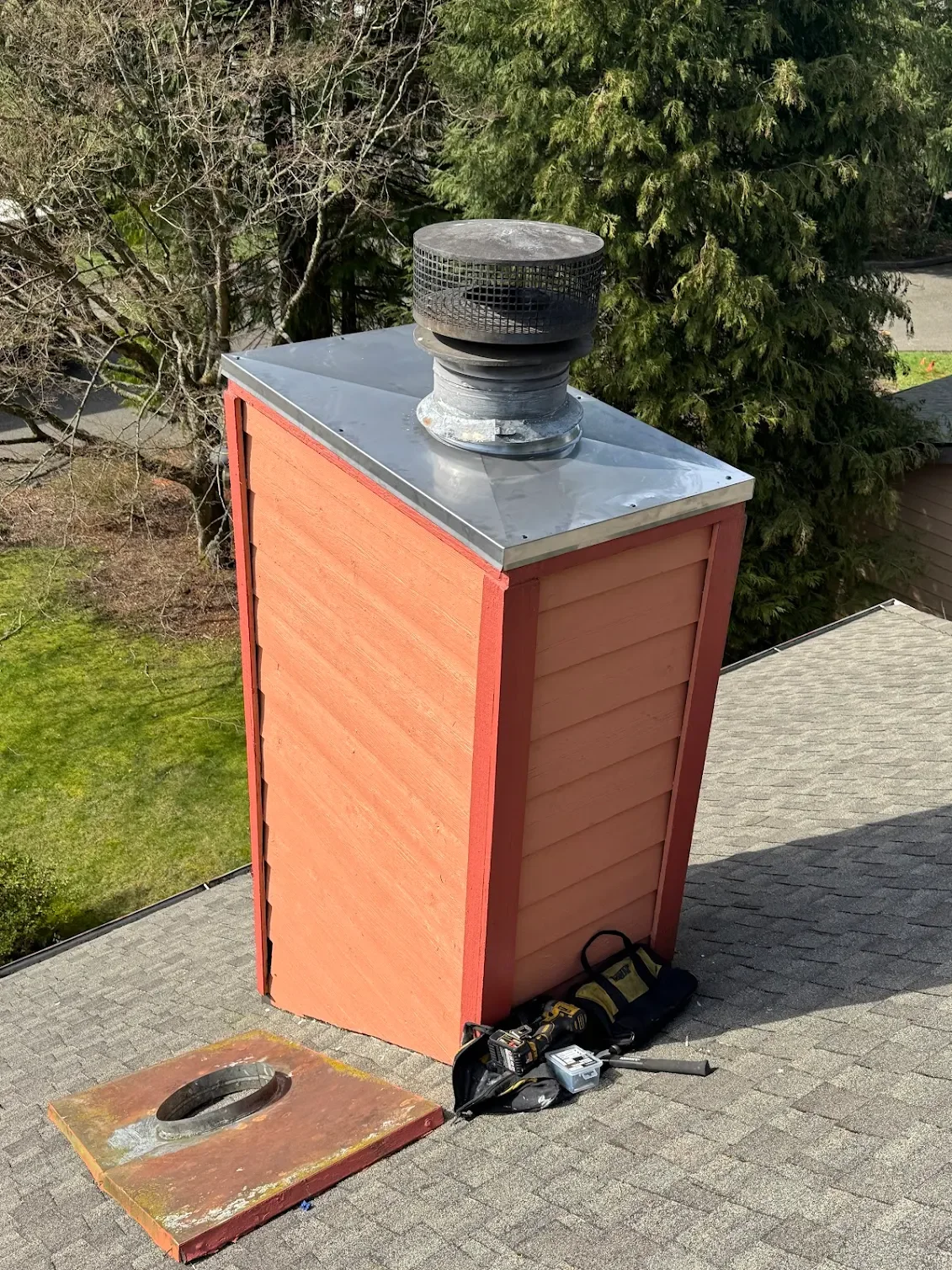
Installing new flashing and sealing edges to prevent water intrusion
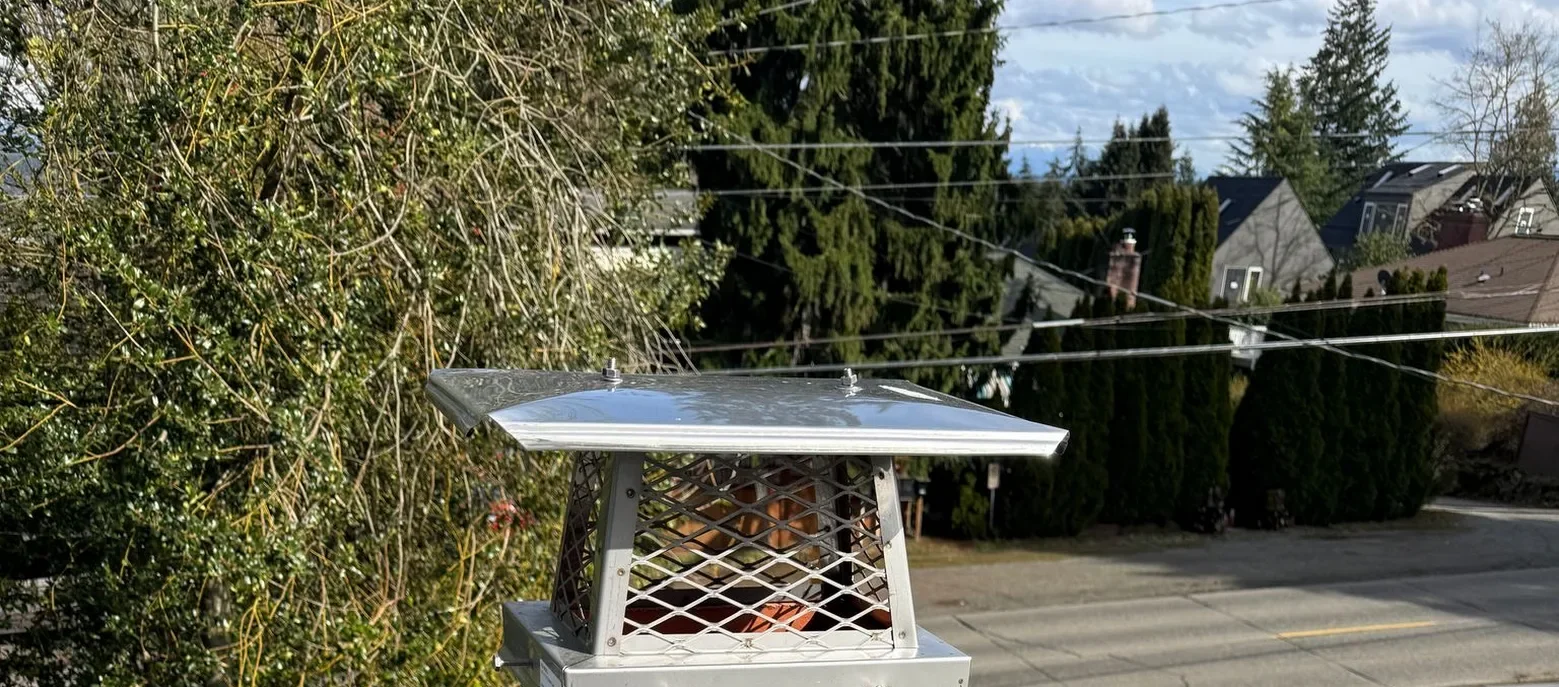
We often use stainless steel or copper because Seattle's rain and moss can corrode cheaper metals fast. Proper slope and overlap are key to making flashing work. Washington State University Extension explains how metal and masonry caps prolong chimney life by keeping moisture out.
Problems That Happen When You Ignore Flashing Damage
Skipping flashing repair can lead to:
Water leaks inside walls or ceilings
Rotting roof decking
Mold growth
Damaged fireplace and flue
In Capitol Hill, I saw a home with an unseen flashing leak. Water had rotted rafters and damaged the chimney bricks. Repairing the flashing prevented further damage but repairing the rot was an extra cost.
Chimney Sweep Visits That End With Flashing Repairs
Most flashing repairs start after a chimney sweep. We check flues, sweep soot, and inspect flashing while we’re on the roof.
The Chimney Safety Institute of America highlights flashing as a key defense against water damage (chimney water damage prevention guidance).
Many times, homeowners think their roof is the problem, but it’s actually the chimney flashing.
Flashing Repair Near Green Lake, Queen Anne, and Ballard
Seattle neighborhoods each have quirks:
Green Lake: older homes with mossy chimneys
Queen Anne: tall stacks that catch wind-driven rain
Ballard: trees dropping leaves onto roofs, hiding flashing issues
Installing flashing in these areas is different. Local knowledge matters because every neighborhood has its own weather patterns and home styles.
Seasonal Flashing Challenges Around Seattle
In winter:
Folks in Beacon Hill love burning wood on cold mornings. But wet wood makes more creosote. Let it dry longer.
In fall:
In places like Crown Hill and Green Lake, leaves fall into chimneys nonstop. A mesh cap helps.
In spring:
Ballard and Fremont see a lot of birds. Birds love chimneys.
In summer:
Good time for repairs in Redmond, Sammamish, Tukwila, or Lynnwood because the weather is kinder.
I remember a home near Magnolia where a small flashing gap caused water to drip into the attic after a windy winter storm. Early repair saved the homeowner from a much bigger problem.
Chimney Services Beyond Flashing Repair
Chimney services include sweeps, flue liner repair, crown repair, and masonry fixes. Flashing repair is one piece of the puzzle.
Near the UW Campus, we replaced flashing and also repaired minor brick spalling. The homeowner’s fireplace stayed dry and safe during winter rains. Multiple services often go hand-in-hand.
Real Customer Stories From Seattle Neighborhoods
West Seattle: flashing leak caused attic water stains, repaired, home stayed dry
Ballard: moss buildup corroded flashing, new stainless steel installed, water problem solved
Queen Anne: old copper flashing replaced, no more drip, chimney life extended
Stories like these show how flashing repairs save homes from hidden water damage.
Why Local Chimney Flashing Repair Beats Out-of-Town Crews
Seattle’s weather is tricky. Out-of-town crews may mount flashing incorrectly or choose cheap materials. Local crews know the rain patterns, freeze cycles, moss issues, and older brick chimneys.
Google favors local relevance, so mentioning neighborhoods and landmarks helps your page rank for Chimney Flashing Repair searches.
Dryer Vent Cleaning and Its Connection to Chimney Health
Dryer vents may seem unrelated, but moisture from blocked vents can affect chimney health.
In Ravenna, we often combine dryer vent cleaning with chimney inspection. Moist lint or blocked airflow adds to dampness, which can worsen leaks if flashing is compromised. EPA notes that proper home ventilation and moisture control are critical (EPA home ventilation and moisture guidance)
Landmarks, Areas, and Local Spots Where We Work
Serving Seattle and areas listed:
Auburn, Bellevue, Bothell, Burien, Des Moines, Edmonds, Everett, Federal Way, Issaquah, Kenmore, Kent, Lake Forest Park, Lynnwood, Mercer Island, Mountlake Terrace,
Redmond, Renton, Sammamish, Shoreline, Tacoma, Tukwila, Woodinville, pretty much all the places where fireplaces are older and need more love.
FAQs
-
Rain and wind push water under old or damaged flashing, causing leaks in ceilings or walls.
-
Yes. Water seeping through damaged flashing can promote mold growth in attics or walls.
-
Once a year, especially before fall rains and winter storms.
-
DIY flashing repair is risky. Proper fit and seal need local experience to prevent leaks.
-
Stainless steel and copper resist corrosion, moss, and freeze-thaw cycles.
-
Often done during chimney sweeps, flue inspections, or crown repairs to prevent future leaks.
-
Not always. Small gaps can cause slow drips that only show during heavy rain.
