
Chimney Liner Replacement
in Seattle, Washington
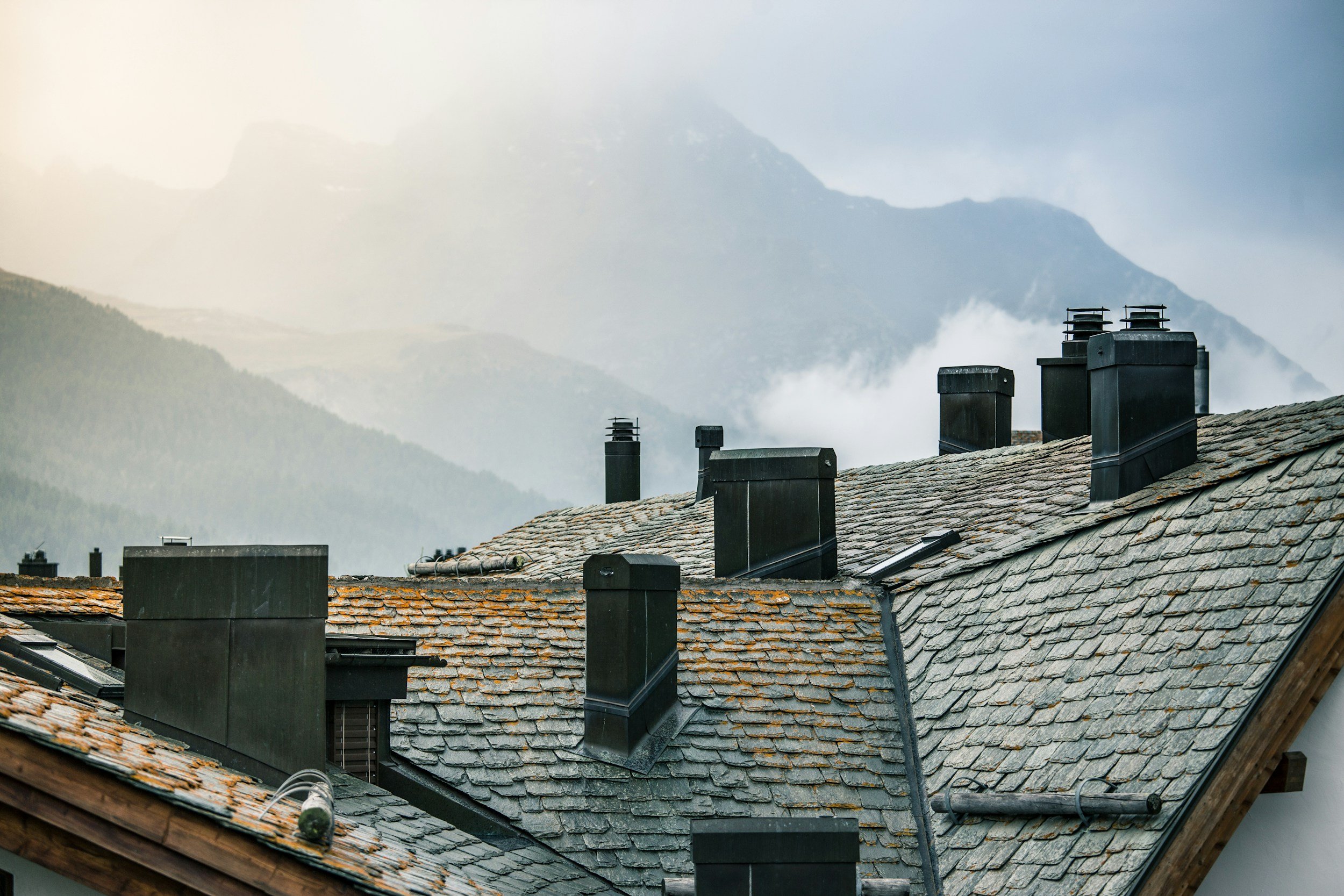
Seattle homes have character. From the craftsman-style houses in Ballard to the modern condos near South Lake Union, every chimney has a story. At Chimney 360 Services, we see all kinds of chimneys, and one thing that often comes up is Chimney Liner Replacement. If your chimney is old, cracked, or showing signs of wear, replacing the liner can keep your home safe and your fireplace running efficiently.
What is a Chimney Liner and Why You Might Need a Replacement
A chimney liner is basically the inner shell of your chimney.
It protects your home from heat, smoke, and gases produced by your fireplace or wood stove. Think of it like the insulation on a pipe, it keeps the hot stuff contained and prevents it from damaging your home.
I remember a home in Queen Anne where the homeowners hadn’t checked their liner in years. The clay tile liner had cracked, and a small fire in the flue scared them enough to call us immediately. After replacing the liner, the fireplace worked like new, and they slept more easily knowing their home was safer.
Different homes need different liners some use stainless steel, some aluminum, and older homes may still have clay tiles. Choosing the right material depends on your fireplace, the type of fuel, and how often you use it.
Signs Your Chimney Liner Needs Replacement
You might not notice a problem until it’s too late, so here are common signs:
Cracks or flaking inside the chimney
Smoke entering the room when the fireplace is running
Excessive creosote buildup
Unusual odors coming from the chimney
Chimney draft issues
One winter in Ballard, we replaced a liner in a house near the old Ballard Locks. The family noticed smoke and a strong smell every time they lit the fireplace. After inspecting, we found the liner was failing. Replacing it solved the problem immediately, and their holiday season felt safer and warmer.
The Chimney Liner Replacement Process
Replacing a chimney liner isn’t just about swapping old material for new.
It’s a detailed process that ensures safety and efficiency. Here’s how it works:
Inspection: We first check the flue with cameras to see the exact condition.
Removal: The old liner is carefully taken out without damaging the chimney walls.
Selection: We pick the right liner material for your fireplace type and your home’s needs.
Installation: A new liner is carefully installed and sealed to prevent leaks.
Cleanup & Testing: We make sure everything is working, and your fireplace is ready to use safely.
One client in West Seattle was amazed at how clean the process was.
They told us it felt like we didn’t even touch the house, yet the liner replacement made the fireplace more efficient than ever.
Seasonal Considerations for Seattle Homeowners
Seattle’s weather can affect your chimney. Damp winters increase moisture buildup, which can accelerate liner wear. Heavy rains in October or November can seep into cracks in older liners, leading to safety hazards.
Spring is the perfect time for inspections. One family near Gas Works Park called us in March after noticing a musty smell. The liner had small cracks from moisture over the winter. Replacing it early saved them from bigger problems next winter.
Summer can be slow for fireplaces, but it’s still a good time to schedule Chimney Liner Replacement before the rainy season hits. Fall is the busiest, and sometimes we see homeowners waiting too long by November; it can be tricky to get an appointment before the holidays.
Other Chimney Services Offered in Seattle
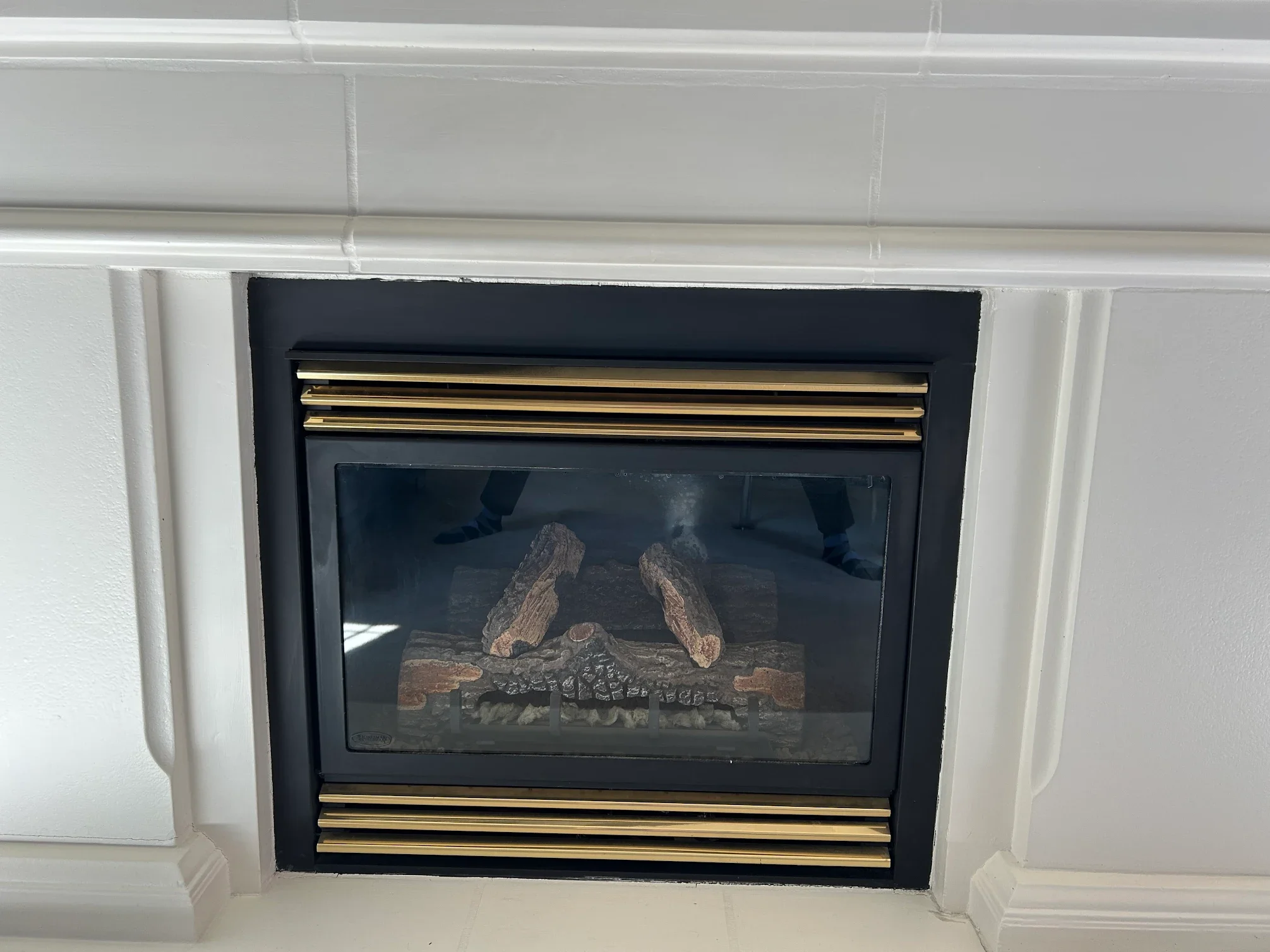
Besides liners, we offer a range of chimney services:
Chimney cleaning and sweep
Masonry repairs
Fireplace inspections
Creosote removal
Caps and dampers
One story I like is from a couple living near the University of Washington. They called us after smelling smoke in their upstairs rooms. We swept the chimney, replaced a cracked damper, and installed a new liner. They were thrilled to have a safer fireplace, and their students visiting from out of town were impressed too.
Dryer Vent Cleaning and Its Connection to Chimney Safety
Many Seattle homes have both fireplaces and dryers that share venting concerns. Over time, dryer vents get clogged with lint, which can become a fire hazard. We recommend pairing dryer vent cleaning with chimney maintenance.
A family in Capitol Hill called after a small fire in their dryer. When we inspected the vent and their chimney, we found a cracked liner and blocked dryer vent. Cleaning and replacing both kept their home safe and efficient.
If you want to read more about fire safety in homes, check out the City of Seattle Fire Prevention tips and the EPA guide on indoor air quality.
Local Seattle Stories and Customer Experiences
Seattle homes are unique, and our customer stories show how important chimney care is.
In Fremont, we replaced a liner in a house overlooking the troll bridge. The family had noticed slow drafts and smoke in the living room. After the replacement, the fireplace worked perfectly, and their winter evenings improved.
Near Pike Place Market, an older home had a clay liner that cracked over decades. The owners didn’t realize it until a small odor prompted a check. Replacing the liner prevented further damage and added value to their home.
In Magnolia, one client had a historic home where the chimney had been patched multiple times. Installing a new stainless-steel liner preserved the house while keeping the fireplace safe for family gatherings.
Seattle’s neighborhoods all have different homes, but the need for safe, functional chimneys is universal.
Seasonal Considerations for Chimney Liners in Seattle
In winter:
Heavy rain and snow can seep into weak liners. One Ballard family experienced water pooling inside their chimney during a January storm.
In fall:
In places like Crown Hill and Green Lake, leaves fall into chimneys nonstop. A mesh cap helps.
In spring:
Melting snow and ice expose hidden cracks in the clay liners. A Green Lake homeowner noticed faint water stains after March rains.
In summer:
Even though dry, the occasional heavy rainstorm can reveal liner problems. A West Seattle resident’s old stainless steel liner showed rust spots after a July downpour.
Regular inspections prevent these seasonal issues from turning into expensive repairs.
Landmarks, Areas, and Local Spots Where We Work
Serving Seattle and areas listed:
Auburn, Bellevue, Bothell, Burien, Des Moines, Edmonds, Everett, Federal Way, Issaquah, Kenmore, Kent, Lake Forest Park, Lynnwood, Mercer Island, Mountlake Terrace,
Redmond, Renton, Sammamish, Shoreline, Tacoma, Tukwila, Woodinville, pretty much all the places where fireplaces are older and need more love.
FAQs
-
Look for cracks, smoke in the room, or creosote buildup. Seattle’s damp winters can worsen liner damage quickly.
-
Yes. We often upgrade older clay liners to stainless steel for safety and efficiency, especially in Seattle’s rainy areas.
-
Usually 3–5 hours, depending on chimney height and access. Some homes in Capitol Hill take a bit longer due to narrow spaces.
-
Sometimes. Many insurance policies cover fire damage but not maintenance. Check with your provider before scheduling.
-
At least once a year, ideally before fall when fireplace use increases. Moist winters can speed wear.
-
Indirectly. Cleaner vents and chimneys reduce overall fire risk in the home. Many Seattle clients do both together.
-
Yes. A damaged liner allows heat and gases to escape, which can ignite surrounding wood. Replacement greatly reduces this risk.
