
Gas Fireplace Repair in Seattle by a Local Chimney Sweep

Why Gas Fireplace Repair Comes Up So Often in Seattle
Seattle homes trap moisture. Even when it’s dry outside, the air feels heavy. That moisture finds its way into gas fireplace systems. Over time, parts rust, sensors get dirty, and vents clog.
I’ve repaired fireplaces in Queen Anne that looked perfect from the couch but were falling apart inside. Rust flakes in the burner tray. Corroded pilot tubes. Loose vent joints hidden behind drywall.
Gas Fireplace Repair comes up a lot here because people don’t use their fireplaces all year. They sit idle all summer. Moisture settles in. Then winter hits and things stop working.
The EPA gas appliance safety guide explains how gas systems need regular care to avoid airflow and gas issues.
What Gas Fireplace Repair Really Means Inside Your Home
Gas Fireplace Repair isn’t one thing. Sometimes it’s cleaning. Sometimes it’s replacing a worn part. Sometimes it’s fixing something installed wrong years ago.
We open the unit fully. We check the ignition system, pilot assembly, thermocouple, gas valve, burner, and venting. Many repairs start small. Dirty sensors cause shutdowns. Weak pilots won’t stay lit.
I once repaired a fireplace near Capitol Hill where the issue was just a spider web inside the pilot tube. Took longer to explain than to fix.
Other times, it’s bigger. Rusted vent pipes. Cracked connectors. Loose fittings behind walls.
Gas Fireplace Repair fixes what stops heat from flowing safely.
Seattle Weather and How It Breaks Gas Fireplaces
Seattle weather works slow but steady. Rain doesn’t dump and leave. It hangs around. That moisture creeps into vents and caps.
Homes near Puget Sound, like Alki and Magnolia, deal with salty air. Salt eats metal faster. We see rusted vent connectors there a lot.
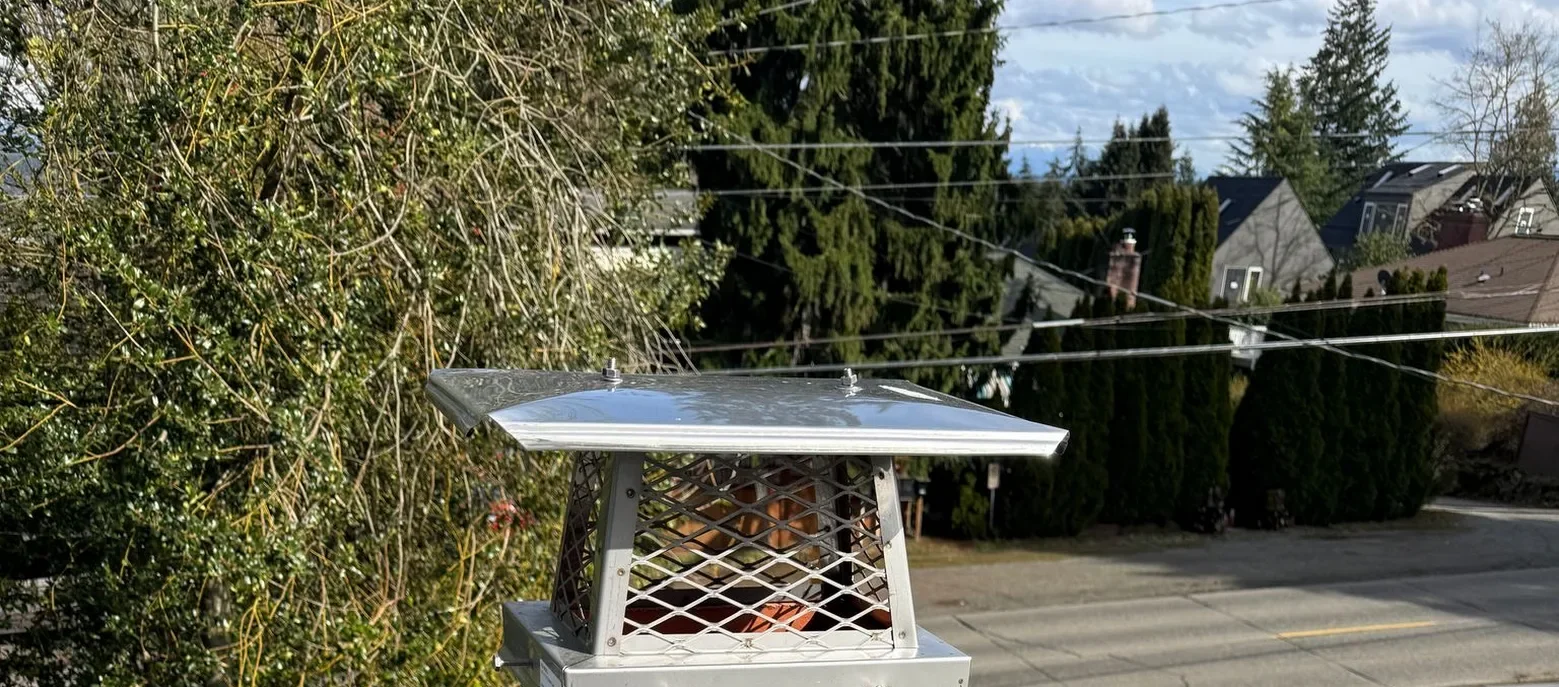
Windstorms knock vent caps loose. Rain blows sideways into vents. During repairs near Discovery Park, we’ve pulled out soaked leaves packed inside vent pipes.
Cold nights followed by wet mornings cause metal to expand and shrink. Over time, joints loosen. Gas Fireplace Repair often starts with fixing weather damage.
Real Gas Fireplace Repair Stories From Seattle Homes
In Ballard, a homeowner called because their fireplace kept clicking but never lit. Repair showed moisture inside the ignition module. Dried it out, sealed the cap, fixed.
Near Green Lake, a family complained about headaches at night. Repair found a vent connection had slipped inside the chase. Exhaust wasn’t leaving the house.
In West Seattle, during a power outage, a gas fireplace wouldn’t stay on. The thermocouple was worn out from years of use. Simple repair, big relief.
Downtown near South Lake Union, a condo fireplace shut off every ten minutes. Shared vent system had a blockage. Cleared it, unit ran fine.
These are normal Seattle repair calls.
Common Gas Fireplace Repairs We Handle Every Season
Dirty pilot assemblies cause shutdowns.
Worn thermocouples stop flames from staying lit.
Blocked vents choke airflow.
Rusty burners burn uneven.
Loose gas fittings cause smells.
Cracked vent connectors leak exhaust.
Gas Fireplace Repair fixes these before they turn into safety issues.
The Washington State Department of Health indoor air info explains how gas appliances affect indoor air when repairs are ignored.
Seasonal Gas Fireplace Repair Problems in Seattle
Spring repairs usually deal with rust and moisture damage from winter use.
Summer repairs catch issues before fall. Fireplaces sit unused, letting moisture settle inside.
Fall is the busiest season. Everyone turns on their fireplace and something doesn’t work.
Winter repairs are emergency calls. Cold nights, power outages, and broken fireplaces don’t mix well.
Seattle seasons keep Gas Fireplace Repair in demand year-round.
Gas Fireplace Repair and Indoor Air in Seattle Homes
Gas fireplaces sit inside living spaces. When something breaks, gases don’t always leave like they should.
Seattle homes are sealed tight. Windows stay closed most of the year. That traps air inside.
Gas Fireplace Repair checks draft and vent flow. We look for signs of backdraft, soot stains, and heat marks.
The City of Seattle indoor air quality resources talk about keeping combustion appliances working right.
Repairs help air move the way it should.
Dryer Vent Work and Why It Matters for Fireplace Repair
Dryer Vent cleaning is one of our secondary services under Chimney Sweep work. It connects to fireplace repair more than people think.
Blocked dryer vents trap heat and moisture. That moisture spreads through walls and attic spaces.
In Northgate homes, we’ve repaired fireplaces affected by high indoor humidity caused by clogged dryer vents.
Dryer Vent service helps balance airflow inside the house, which supports proper fireplace venting.
Seattle Neighborhoods Where We Fix Gas Fireplaces
We repair gas fireplaces near Pike Place Market, Ballard, Queen Anne, Capitol Hill, Green Lake, Alki Beach, and Beacon Hill.
Homes near Discovery Park deal with wind damage. Downtown condos deal with shared vent systems.
Seattle winter storms bring waves of repair calls. Local experience matters.
FAQs
-
Moisture and dirty sensors cause shutdowns. Seattle weather makes this common.
-
Yes. Rain enters vents and rusts parts, leading to repairs.
-
Yes. Cold nights and power outages make working fireplaces important.
-
Yes. Broken vents or burners can trap gases inside the home.
-
Most of the time, yes. Many repairs are simple and affordable.
