
Chimney Inspection for Energy Efficiency in Seattle, WA
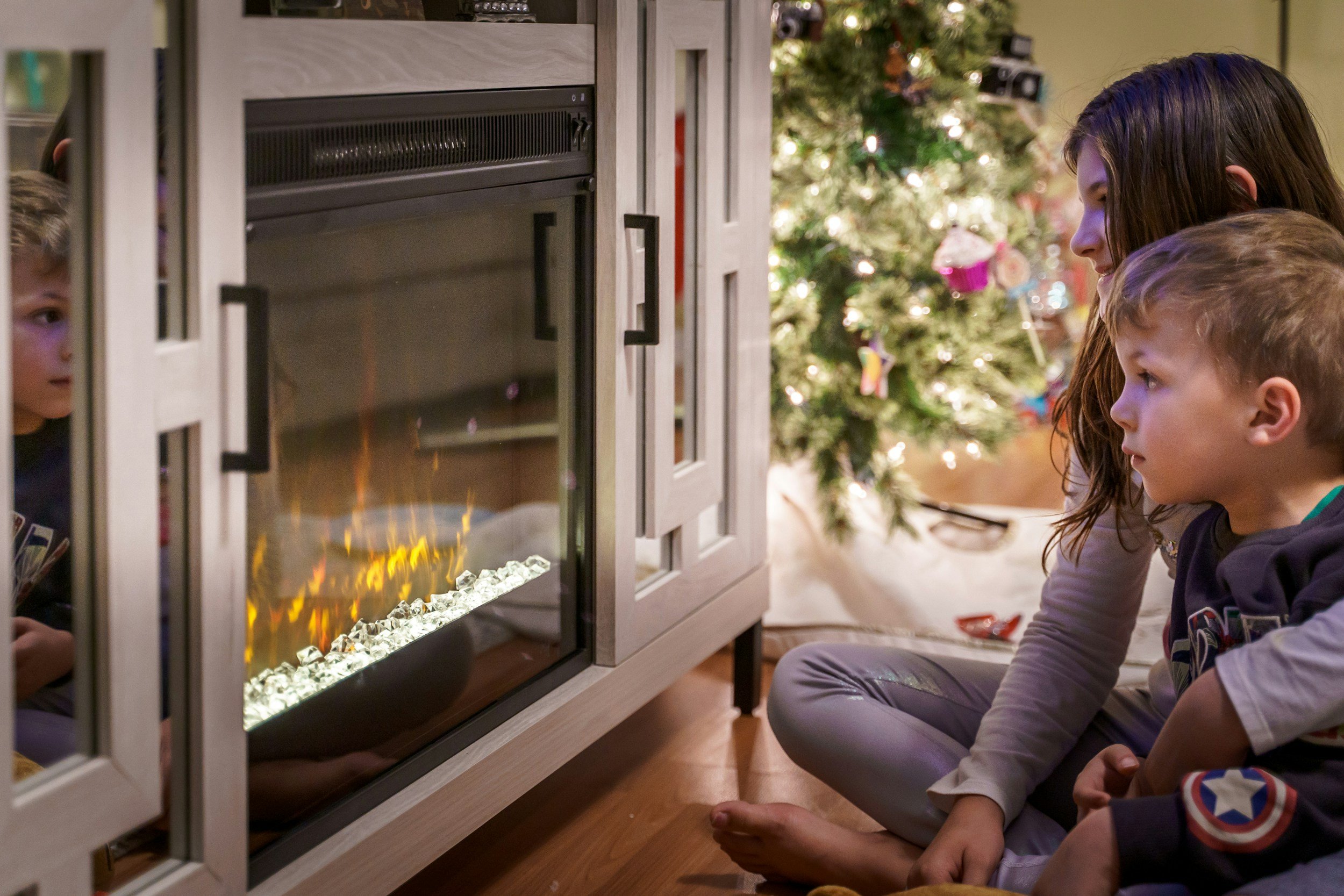
Seattle folks love a warm home. When rain taps on the roof and fog rolls in from Puget Sound, nobody wants cold air sneaking through the living room. That’s why Chimney Inspection for Energy Efficiency is one of the most requested services we handle at Chimney 360 Services. It’s part of our gas installation service work, and it helps homes keep heat inside instead of letting it fly up the chimney like a runaway balloon.
I’ve walked into houses in Ballard where the gas fireplace was on full blast but the couch still felt cold. The homeowner joked, “It looks warm but it lies.” After a chimney inspection, we found big gaps around the flue liner and poor sealing near the damper. Once fixed, the room warmed up fast. That’s real change people feel on their skin.
Here’s our local contact info so you can save it:
Chimney 360 Services – Seattle – (206) 618-2443
Website: https://www.chimney360services.com/
Chimney Inspection for Energy Efficiency is about comfort, lower bills, and not wasting heat. Simple idea. Big payoff.
Why Chimney Inspection for Energy Efficiency Matters in Seattle Homes
Seattle weather is wet, windy, and chilly most of the year. That combo pulls heat out of homes fast. Chimneys play a big role in this. If the chimney has cracks, loose liners, or bad dampers, warm air escapes while cold air sneaks inside.
Homes in older areas like Wallingford, Beacon Hill, and Rainier Valley often have chimneys built decades ago. Many were designed for wood fireplaces and later converted to gas. During Chimney Inspection for Energy Efficiency visits, we often find old parts that don’t seal well anymore.
One homeowner in Queen Anne told me their gas bill kept climbing even though they barely used the fireplace. During inspection, we found the damper stuck open. That meant warm indoor air was flowing straight out of the house all day. After repair, their next gas bill dropped. They called us smiling.
Seattle homes near the water, like Alki Beach and Magnolia, deal with strong wind. Wind pressure pulls heat up chimneys faster. That’s why local experience matters when checking energy loss.
What Happens During a Chimney Inspection for Energy Efficiency
Damper and Air Leak Checks
We start by checking the damper system. Dampers should close tight when the fireplace is off. In Fremont, I once found a damper that looked closed but had a big gap on one side. That gap worked like an open window in winter.
We inspect seals, adjust damper alignment, and recommend upgrades if needed. Tight dampers keep warm air inside your home.
Chimney Liner Inspection
Chimney liners guide exhaust out of the home. Cracked or misaligned liners leak heat into attic spaces. During Chimney Inspection for Energy Efficiency, we use cameras to check liner condition.
In a West Seattle home, we found liner gaps that allowed warm air to escape into wall cavities. After repairs, the living room stayed warmer longer after the fireplace shut off.
Fireplace Opening and Surround Sealing
The area around the fireplace opening often leaks air. Trim panels and brick surrounds can hide gaps. We remove covers and inspect behind them.
In a Capitol Hill condo, cold air poured through small openings behind the insert. After sealing, the owner noticed fewer drafts near the floor.
This step helps stop invisible heat loss.
Real Customer Stories From Seattle Neighborhoods
A family near Green Lake called us after noticing cold drafts near their fireplace even when it wasn’t running. During Chimney Inspection for Energy Efficiency, we found cracked mortar and a loose damper frame. After repairs, the draft stopped. The mom said her kids stopped sitting under blankets all day.
Another job in Ballard involved an older craftsman home. The fireplace looked beautiful but heated nothing. We found missing insulation around the chimney chase. After adding insulation and sealing gaps, the room felt warmer within minutes of turning on the gas fireplace.
In South Lake Union, a condo owner complained about high heating bills. We inspected the chimney vent path and found air leaks near the roof exit. After sealing and adjusting vent caps, the owner noticed better heat retention.
These stories show that energy loss hides in small spaces. Chimney inspections catch them early.
Seasonal Energy Loss Problems Around Puget Sound
Fall Cold Air Leaks
When fall starts, Seattle homes turn fireplaces back on. After summer, dampers stick and seals dry out. During October inspections, we often find debris and leaf buildup blocking proper closure.
This causes warm indoor air to escape even when the fireplace is off. Early Chimney Inspection for Energy Efficiency stops this problem before winter arrives.
Winter Wind Pull
Winter storms bring strong wind. Homes near the coast and hills like Queen Anne feel extra draft pressure. Wind pulls heat up the chimney faster than normal.
During winter visits, we adjust vent systems and recommend draft control upgrades that slow heat loss while keeping airflow safe.
Spring Moisture Damage
Spring rain causes rust and moisture buildup inside chimneys. Rust weakens dampers and liners. During spring inspections, we replace worn parts before they cause bigger leaks.
Seattle weather never stays calm long, so yearly inspections make sense.
Chimney Sweep Services and Energy Savings
Chimney sweep service is not just about cleaning soot. It also supports energy savings. Dirty chimneys block airflow and change draft patterns. During Chimney Inspection for Energy Efficiency visits, we often suggest chimney sweeping.
Homes near busy streets like Aurora Avenue collect more dust inside chimney systems. Dust buildup changes airflow and traps moisture, which cools metal parts and pulls heat away faster.
Clean chimneys allow heat to move smoothly and evenly. Chimney sweeping also removes moisture that causes cold surfaces inside the chimney.
At Chimney 360 Services, chimney sweeping and energy inspections work together to improve home comfort.
Masonry Contractor Work and Heat Control
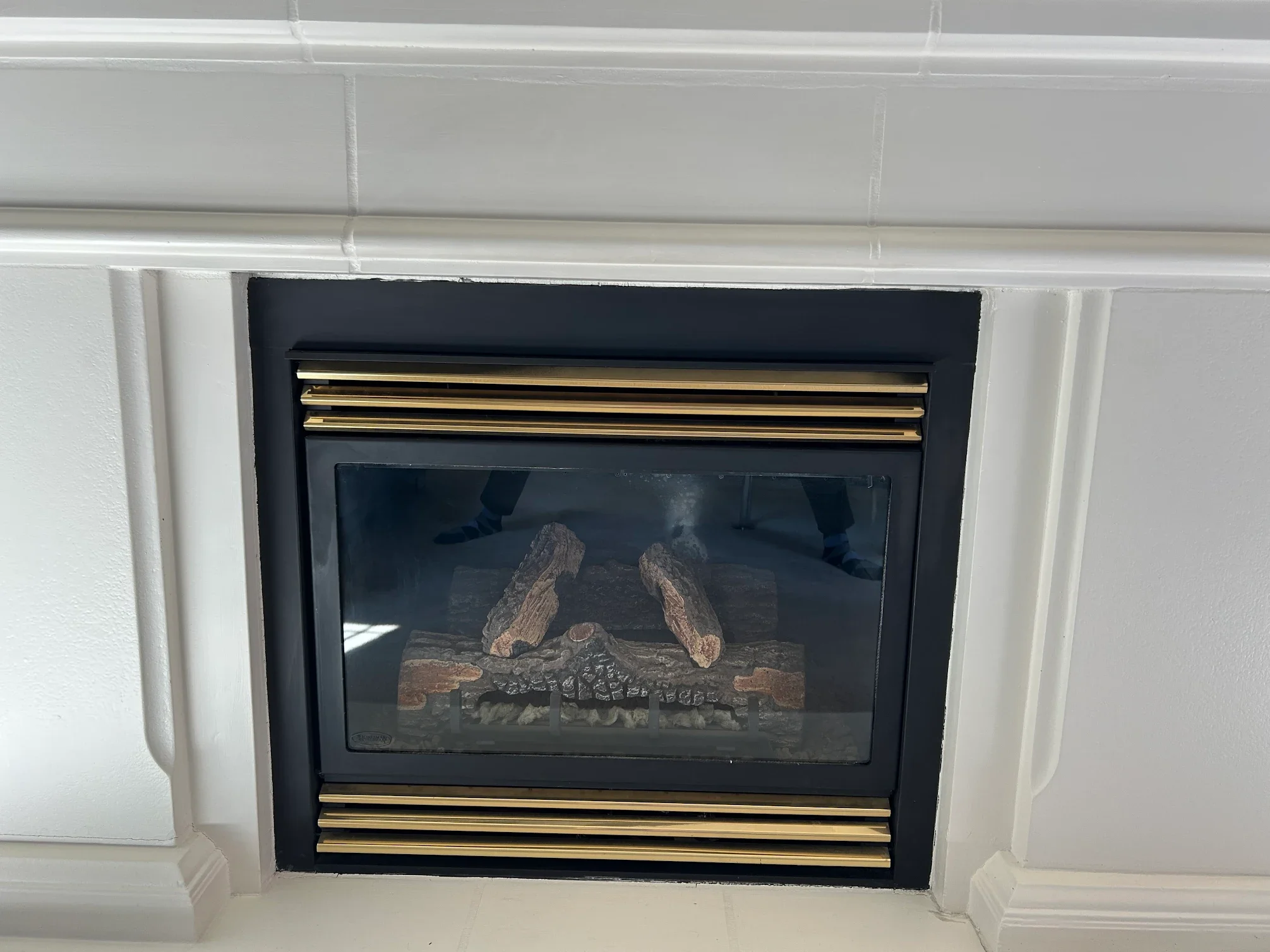
Gas fireplaces often sit inside masonry chimneys and brick surrounds. As a masonry contractor service provider, we fix cracked mortar and loose bricks that cause heat loss.
In Beacon Hill, we repaired a chimney with broken mortar joints. Cold air flowed through the cracks into the living room. After repointing and sealing, the draft stopped and heat stayed inside longer.
Brick absorbs moisture. Wet bricks stay cold and pull warmth from the fireplace. Masonry repairs help stop this heat drain.
Masonry work might not seem connected to gas fireplace efficiency, but it plays a big role in how heat moves through the system.
Local Energy Resources and Seattle Efficiency Tips
Seattle homeowners care about saving energy. Seattle City Light offers home heating and energy-saving tips on their website. Many of their tips match what we see during chimney inspections.
The EPA also provides indoor air and heating safety guidance related to gas appliances and home ventilation through their indoor air quality resource. This info supports clean air and better heat control.
For chimney and vent safety standards, the Chimney Safety Institute of America offers industry guidanc. We use these standards when inspecting liners, dampers, and vent systems.
Trusted sources help Seattle homeowners make better choices.
Why Seattle Homeowners Call Chimney 360 Services
We work in Seattle every week. We inspect chimneys in Ballard, seal dampers in Fremont, repair brickwork in Queen Anne, and clean vent systems near Lake Union. When you call Chimney 360 Services at (206) 618-2443, you talk to local gas installation service pros who know Seattle homes and weather patterns.
Chimney Inspection for Energy Efficiency helps keep heat inside, lowers energy waste, and makes living rooms more comfortable. That’s the goal. Warm home. Happy people.
FAQs
-
Once a year works best. Seattle rain and wind cause air leaks faster, so yearly checks help stop heat loss.
-
Yes. Open dampers and air leaks let warm air escape, forcing heaters to work harder.
-
Yes. Rain causes rust and moisture buildup that weakens seals and liners.
-
Many older homes have worn dampers and cracked mortar that allow heat to escape.
-
Yes. Clean chimneys improve airflow and reduce moisture that pulls heat away.
-
Most inspections take 45 to 90 minutes depending on chimney size and setup.
