
Gas Fireplace Venting Inspection in Seattle, WA
Why Gas Fireplace Venting Inspection Matters in Seattle Homes
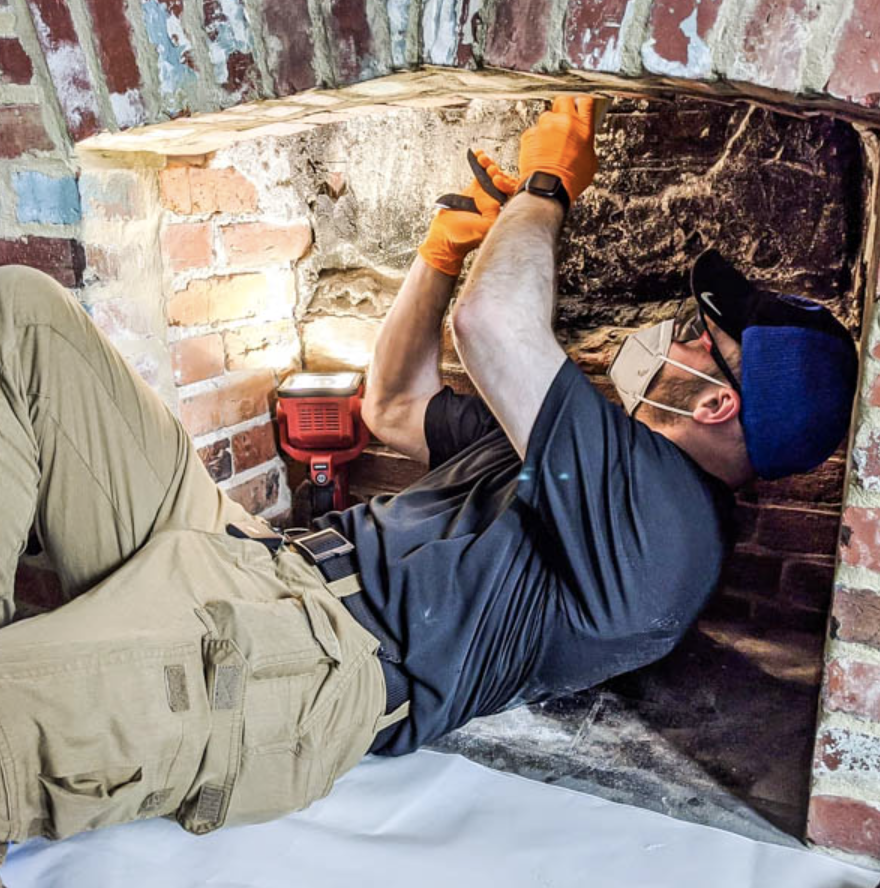
Seattle loves fireplaces. When the rain taps the windows and fog sits low over Lake Union, folks flip on that gas fireplace and settle in. But the vent behind that warm flame does most of the hard work. Gas Fireplace Venting Inspection keeps smoke, moisture, and bad air going outside where it belongs. When vents clog or break, the fireplace turns into a grumpy box that pushes air back into the room.
I’ve seen vents blocked with moss, pine needles, bird nests, and once even a tennis shoe. No joke. That one was in Ballard. Kid tossed it on the roof and wind rolled it right into the vent cap. Fireplace wouldn’t draft at all. The flame looked weak and yellow. After clearing it out, the flame went blue and calm again.
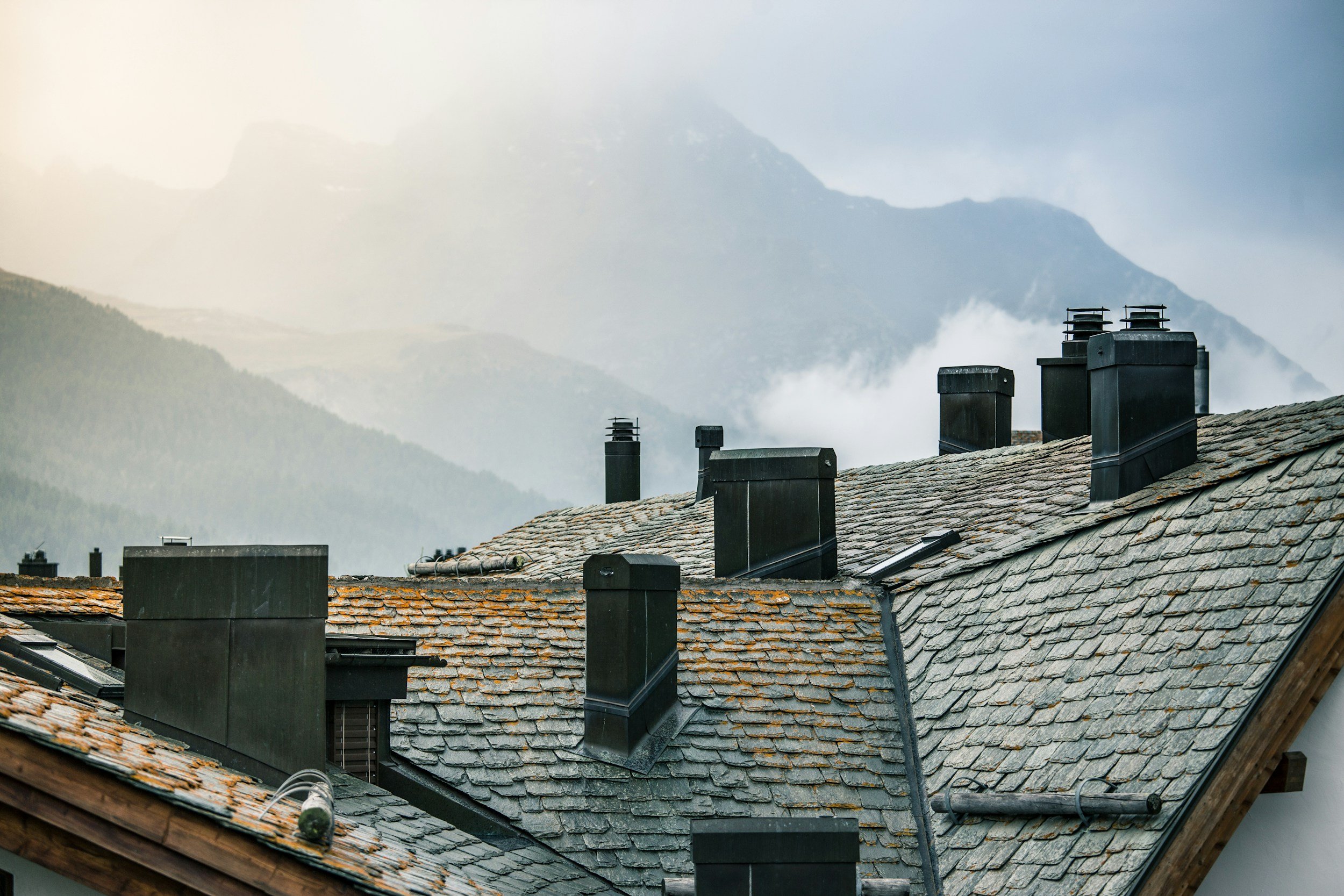
Seattle weather plays a big role here. We get long wet seasons. Rain sneaks into cracks. Wind pushes leaves into vent openings. Homes near Green Lake, Magnolia, and West Seattle get extra wind off the water. That air pressure messes with vent flow. Gas Fireplace Venting Inspection catches these problems early before they turn into indoor air trouble.
For local safety rules tied to venting and fuel appliances, Seattle Fire Department shares gas appliance safety tips. It talks about vent clearance and air flow basics.
Our Process
We follow a clear, homeowner-friendly process so you always know what to expect.
Step 1: Free Phone Assessment and Scheduling
We begin with a quick phone consultation to understand your fireplace type, usage habits, and concerns. Our team schedules a convenient appointment that fits your routine, including evening availability when possible.
Step 2: On-Site Safety Inspection
Once onsite, we inspect your chimney liner, damper, firebox, and venting system. This helps us identify creosote buildup, cracks, animal nests, or airflow issues before cleaning begins.
Step 3: Professional Chimney Sweeping
We use rotary brushes, HEPA-filter vacuums, and protective coverings to remove soot and debris safely. Our tools allow us to clean thoroughly without spreading dust inside your home.
Step 4: Final Performance Check
After cleaning, we test airflow and draft performance. This step ensures smoke exits properly and your system works as designed.
Step 5: Cleanup and Home Protection
We leave your home as clean as we found it. Drop cloths, sealed vacuum systems, and careful equipment handling protect your floors and furniture.
What Happens During a Gas Fireplace Venting Inspection
People ask what I actually do when I show up. It’s not magic. It’s hands-on, ladder climbing, flashlight work.
I start inside. I check the vent connection behind the fireplace. Loose joints, rust flakes, and sagging pipes are red flags. Then I check the firebox seal and glass gasket. Air leaks here mess with draft.
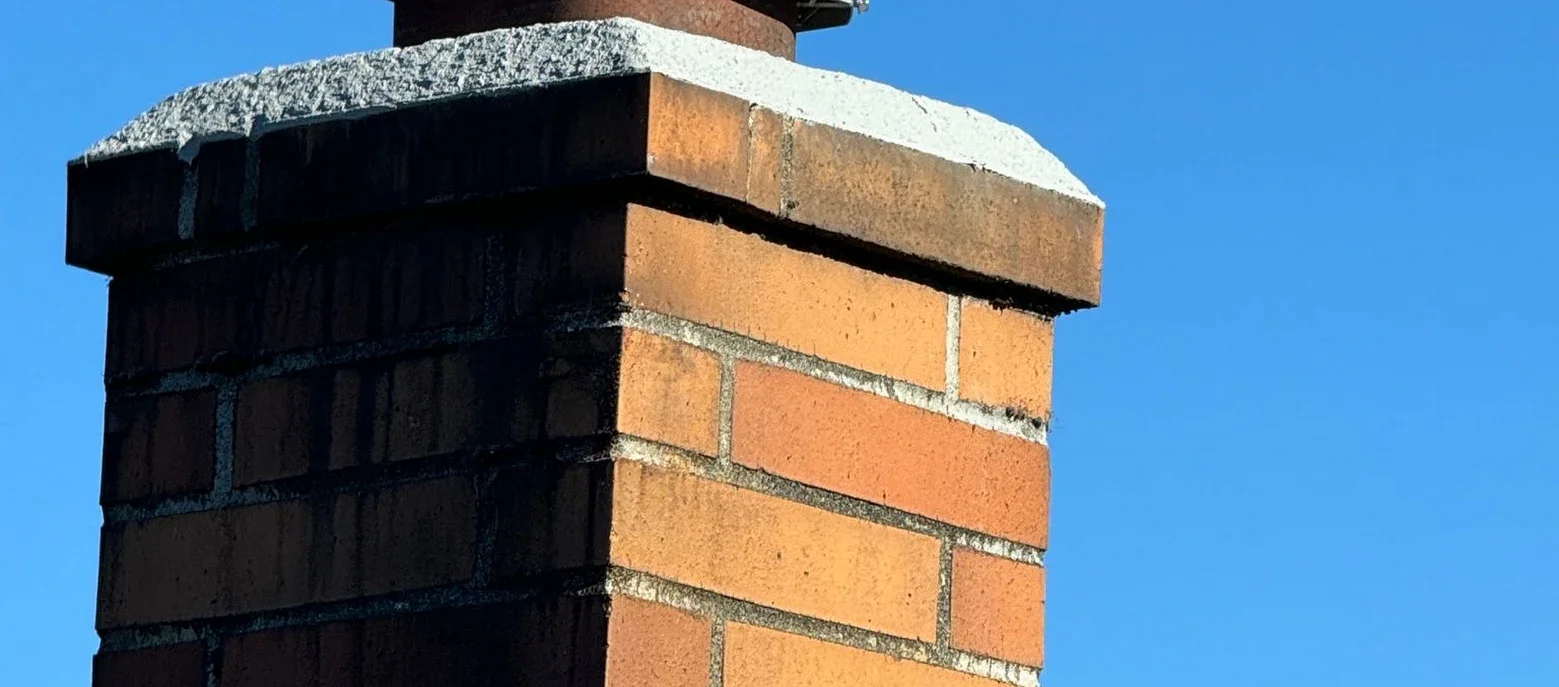
Next comes the outside work. I climb up and inspect the vent cap. In Seattle, vent caps grow moss like chia pets. I scrape, clean, and make sure screens are clear. I also check flashing around the pipe. Water leaks here drip inside walls and rot wood.
Then I test draft. I run the fireplace and watch smoke movement with safe tools. If smoke stalls or flows backward, something is wrong. Sometimes it’s vent length issues. Sometimes elbows are installed wrong.
At the end, I explain everything in plain words. No fancy talk. If repairs are needed, I show pictures. Homeowners like proof. I would too.

Real Customer Stories From Seattle Neighborhoods
One rainy October day near Capitol Hill, a couple called saying their living room felt stuffy every time they used the fireplace. During the Gas Fireplace Venting Inspection, I found their vent cap tilted sideways. Wind pushed exhaust back down the pipe. After adjusting and securing it, the room air felt lighter. They sent me a message a week later saying the smell was gone.
Another job in Rainier Valley had a rental unit with a cracked vent pipe hidden behind drywall. How did we find it? The carbon monoxide alarm kept chirping. Good thing they installed one. We opened the wall, replaced the damaged section, and sealed it right. That small beep saved a big problem.
In Queen Anne, I met an older homeowner who never touched his vent in 15 years. Birds had built a condo in that pipe. I pulled out twigs, feathers, and dirt. Fireplace hadn’t worked right in years. After cleaning, he smiled like a kid watching the flame dance again.
These stories happen all the time. Same lesson each time. Vents need love too.
Seasonal Venting Problems Around Puget Sound
Fall brings leaf storms. Maple leaves, fir needles, wet debris pile on rooftops. Vent caps get buried. That’s when draft drops fast.
Winter adds cold air pressure. Cold air pushes down vents, especially in taller homes near downtown Seattle and Queen Anne Hill. That cold plug inside the pipe makes fireplaces harder to start.
Spring rain brings leaks. I see water dripping down vent pipes in Beacon Hill homes. That water rusts joints and weakens connections.
Summer is quieter but smart homeowners book inspections then. Dry roofs make it safer to work. Repairs finish before cold nights arrive.
For air safety tied to gas appliances and venting, EPA indoor air quality and gas heater safety guide explains airflow risks. It shows how blocked vents trap harmful gases.
Insulation Contractor Work and Venting Performance
Masonry Contractor Repairs That Affect Fireplace Vents
Now about insulation. Insulation Contractor work affects venting more than people think. Poor attic insulation creates temperature swings. Hot attic air and cold outdoor air fight inside vent pipes.
In North Seattle, I inspected a fireplace that kept backdrafting. Turned out attic insulation was thin around the vent chase. Cold air rushed down the pipe. After insulation was added, draft improved fast.
Air leaks around vent chases also pull smoke back inside. Sealing and insulating those spaces keeps airflow moving the right way.
So yes, insulation matters. It’s not just about heat bills. It affects how your fireplace breathes.
As a Masonry Contractor, I see brick and mortar problems that mess with vent systems. Cracked chimney crowns let rain inside. Loose bricks allow air leaks. Broken mortar joints create pressure gaps.
In Ballard, I worked on a chimney where the crown was split wide open. Rain poured inside the flue. That water rusted the metal vent liner. We rebuilt the crown and replaced damaged liner sections. Fireplace worked better after that.
Masonry problems also let cold air sneak in. That cold air changes draft patterns. Simple brick repair makes a big difference.
So Gas Fireplace Venting Inspection often leads to Masonry Contractor repairs. Both protect the system as a whole.
Some folks think Chimney Sweep only applies to wood fireplaces. Gas fireplaces still need it. Dust, soot, and moisture settle inside liners. That buildup narrows the vent path.
During Gas Fireplace Venting Inspection, I often recommend light chimney sweeping. It clears sticky dust layers that slow airflow. One home near Green Lake had years of buildup. After cleaning, draft improved and ignition became smoother.
Bird nests and spider webs also show up. Chimney Sweep work removes those blockages. Clean vents mean better airflow and safer exhaust movement.
So Chimney Sweep services and vent inspections go hand in hand. One clears the road, the other checks the engine.Insulation Contractor Work and Venting Performance
Chimney Sweep Services and How They Support Vent Safety
Areas We Serve Across Seattle
Chimney 360 Services works all around Seattle. From Shoreline border to Rainier Beach. From West Seattle bridge to Laurelhurst.
I’ve done vent inspections near Pike Place condos, Magnolia hillside homes, Beacon Hill rentals, Fremont townhouses, and Ballard craftsman houses.
Homes near Discovery Park deal with strong winds. Downtown condos face pressure zones between tall buildings. Green Lake homes battle falling leaves. Each area brings its own venting challenges.
Local events also change work days. Seahawks games slow traffic. Parades downtown block streets. I plan routes around these things so customers still get service on time.
How to Schedule Gas Fireplace Venting Inspection With Chimney 360 Services
If your fireplace smells odd, smokes inside, or hasn’t been checked in years, it’s time.
NAP Information:
Business Name: Chimney 360 Services
City: Seattle
Phone: (206) 618-2443
Website: https://www.chimney360services.com/
Call or text works best. I answer fast and explain what to expect. No confusing steps. Just simple booking.
FAQs
-
Once a year is good. Seattle rain and wind fill vents with debris fast, so yearly checks help keep airflow clean.
-
Yes. Moss blocks airflow and traps moisture. That slows exhaust and can push smoke back inside your home.
-
Yes. Wind and pressure near downtown towers and hills like Queen Anne can reverse airflow if vents are not set right.
-
After big wind storms, it’s smart. Branches and leaves often fall onto vent caps and block airflow.
-
Yes. Poor insulation creates cold air drops in vent pipes. That makes draft weak and uneven.
-
Yes. We regularly provide chimney sweep services in Juanita, Totem Lake, Rose Hill, and nearby Kirkland neighborhoods.
