
Chimney Relining in Seattle
Why Chimney Relining Matters for Seattle Homes

Chimney Relining sounds like a big job, but most homeowners never see it happen. It’s hidden work, quiet work, and very needed work. In Seattle, chimneys take a beating. Rain, cold nights, long fire seasons. All that adds up.
The liner is the inner wall of the chimney. It carries smoke, heat, and gases outside. When it cracks or flakes, heat escapes where it shouldn’t. Smoke slows down. Gases sneak back.
I’ve stood in basements in Ballard where you could smell smoke hours after a fire. The fireplace looked fine. The liner was falling apart. Chimney Relining fixed it and the smell vanished.
What Chimney Relining Really Is and How It Works
Chimney Relining means adding a new liner inside the chimney flue. That liner becomes the new path for smoke and heat.
Old liners were clay tile. They crack over time. Modern liners are stainless steel or special cast materials.
Seattle homes built before the 80s often have damaged clay liners. Chimney Relining gives them a new life without tearing the chimney down.
Think of it like a new sleeve inside an old jacket. The outside stays, the inside works again.
Signs Seattle Homes Need Chimney Relining
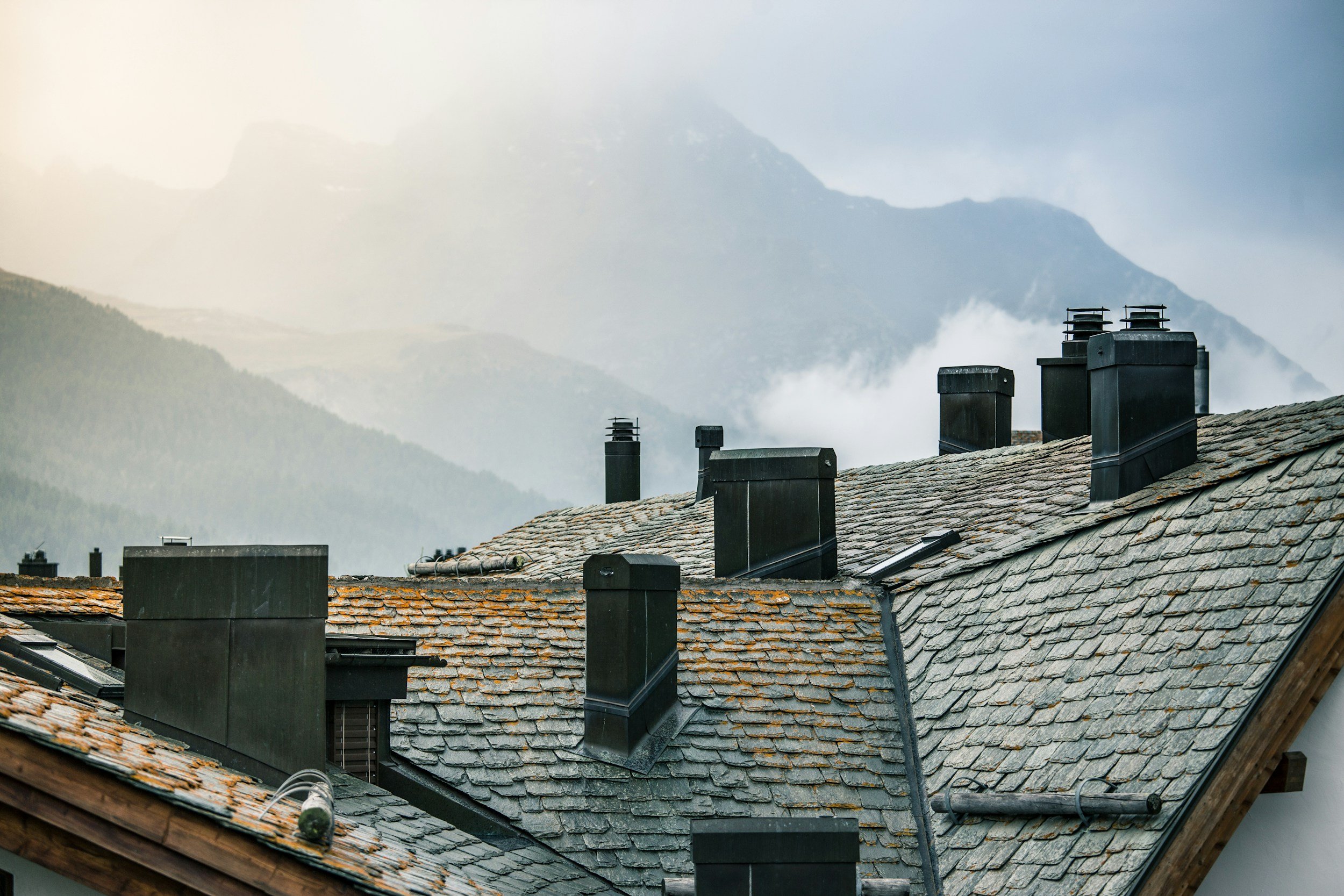
Smoke backing up is a big sign. Fires that don’t pull right. Black stains around the damper.
In Queen Anne homes, I often see crumbling clay pieces in the firebox. That’s liner debris.
Another sign is a strong smoky smell even when the fireplace isn’t used. Heat damage inside the liner lets gases leak.
Chimney Relining fixes these issues before they turn ugly.
Seasonal Chimney Damage in Seattle Weather
Real Chimney Relining Stories From Seattle
Ballard Craftsman With Hidden Damage
A Ballard homeowner called about odd smells. Chimney Sweep work found cracked liner tiles. Relining stopped heat loss and improved draft right away.
Capitol Hill Townhome Fireplace
In Capitol Hill, a tall narrow chimney had draft trouble. Stainless liner install fixed smoke spill and made fires burn calm.
West Seattle Family Room Fireplace
A West Seattle home had rain leaking into the flue. The liner was cracked. Chimney Relining sealed it up and dried the system out.
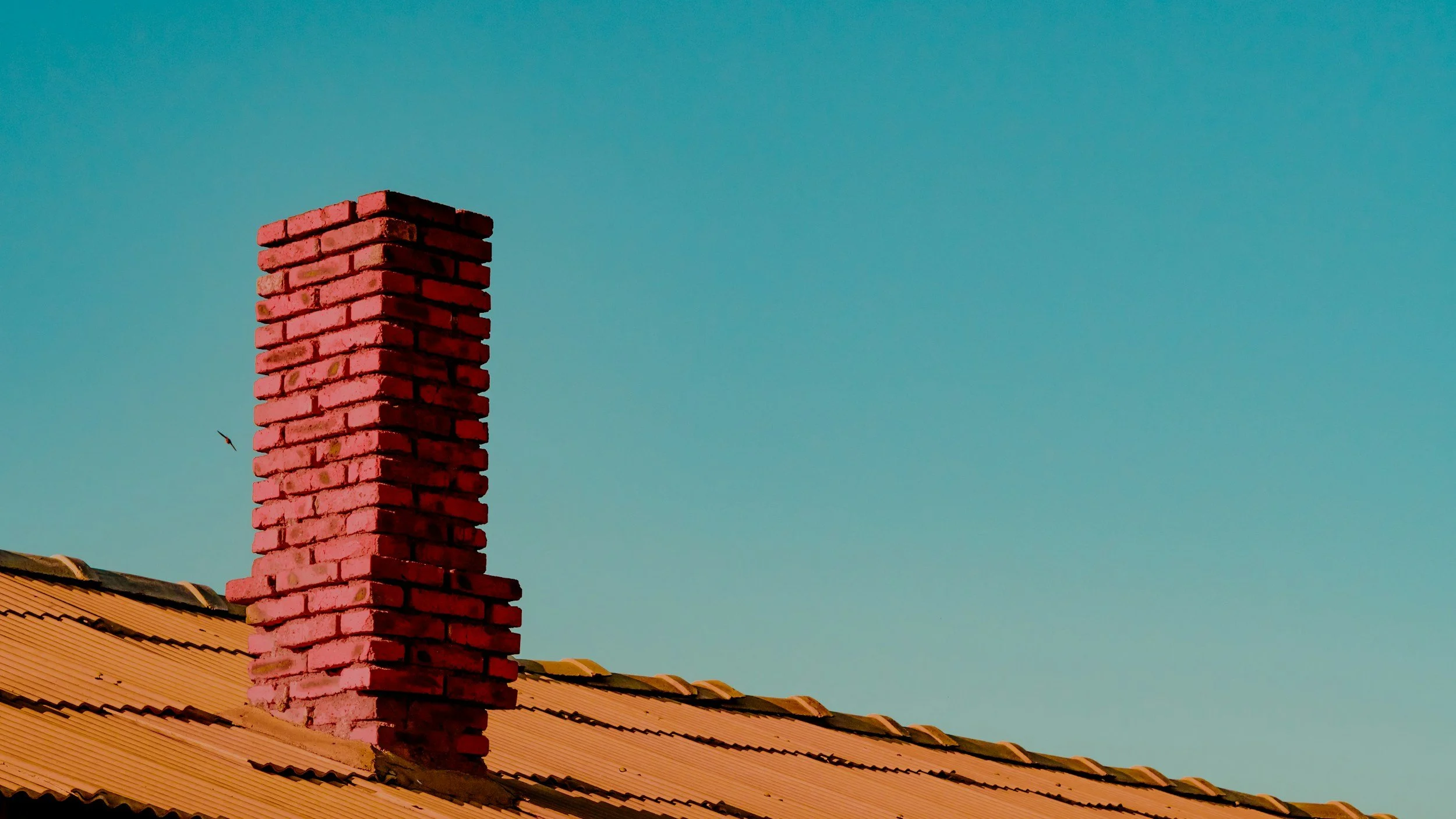
Fall fires start small cracks showing again. Summer expansion meets cold nights.
Winter pushes liners hard. Long burns and hot fires stress old clay.
Spring rain finds liner gaps. Water eats mortar and tiles.
Summer is prime time for Chimney Relining. Dry weather helps liners seat right.
Seattle weather doesn’t forgive weak chimneys.
Types of Chimney Liners Used in Seattle
How Chimney Relining Is Done Step by Step
Stainless steel liners are common. They handle heat and moisture well.
Cast-in-place liners work for damaged flues. They seal cracks and smooth smoke flow.
Clay liners are older style and often fail first.
A Masonry Contractor chooses the liner based on chimney shape and damage.
Inspection comes first. Camera shows liner condition.
Chimney Sweep cleaning removes soot and debris.
Old liner pieces are cleared if needed.
New liner is lowered or poured in place.
Connections are sealed tight at top and bottom.
A test fire checks draft and flow.
FAQs
-
Smoke smell, poor draft, or clay pieces in the fireplace can point to liner damage.
-
Yes. Older chimneys used clay liners that crack over time.
-
Yes. A new liner smooths airflow and improves draft.
-
No. Most work happens inside the chimney with protection used.
-
Yes. Cleaning helps spot liner damage clearly.
-
Yes. Dry weather helps liners install clean and tight.